Public Comment on Proposed Changes to the Waters of the United States Definition Thank you for the opportunity to submit comments on the proposed revisions to the definition of “Waters of the United States.” (Docket ID:EPA-HQ-OW-2025-0322) Strong clean water protections are fundamental to public health, ecological integrity, and economic stability. Rivers do not function in isolation. Each depends on interconnected networks of wetlands, headwater streams, and seasonal waters that filter pollution, buffer floods, recharge groundwater, and sustain downstream ecosystems and communities. I don’t want to see the beauty and value of wetlands in my home state removed for the sake of pollution and development. Decades of peer-reviewed science demonstrate that when these upstream waters are degraded or excluded from protection, the harms do not remain localized. Pollution travels downstream, flood risks intensify, wildlife habitat declines, and communities are left with higher treatment costs and greater vulnerability to extreme weather. These outcomes are well-documented and avoidable. The current rule, revised in 2023 to align with the Supreme Court’s decision in Sackett v. EPA, already reflects the limits imposed by the Court while maintaining protections to the fullest extent allowed under the Clean Water Act. Further narrowing the scope of protected waters is not legally required and would unnecessarily jeopardize water quality and public safety. Collectively, the proposed changes would leave extensive networks of streams and wetlands without federal protection, particularly in arid and semi-arid regions where Clean Water Act coverage has already been severely reduced. For the sake of clean drinking water, flood resilience, and regulatory stability, I, as a concerned citizen, urge the Agency to retain the current definition of Waters of the United States without further rollbacks. Communities and businesses alike need clear, consistent rules that protect vital water resources, not another destabilizing shift that favors short-term interests over long-term public well-being. Thank you for your consideration. | 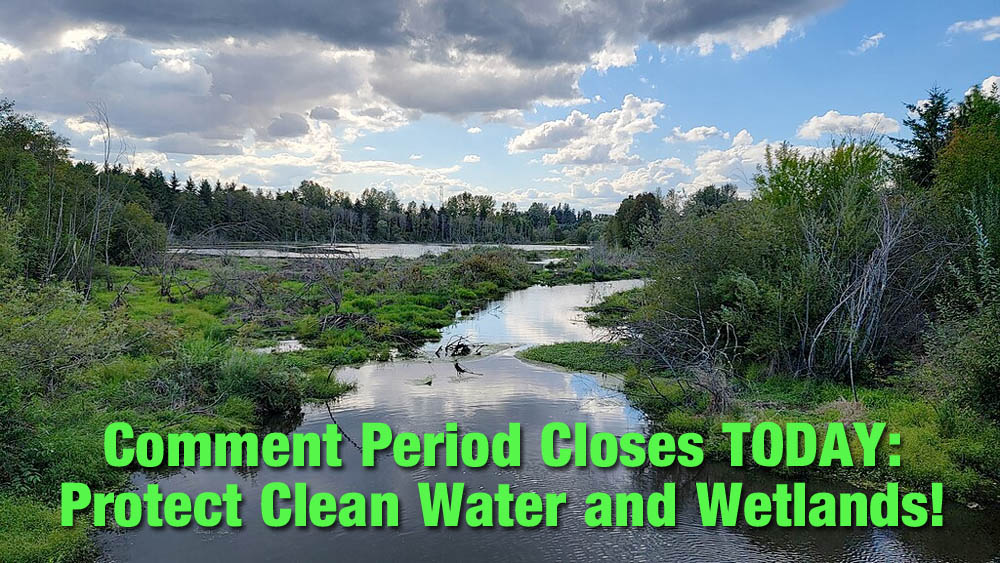
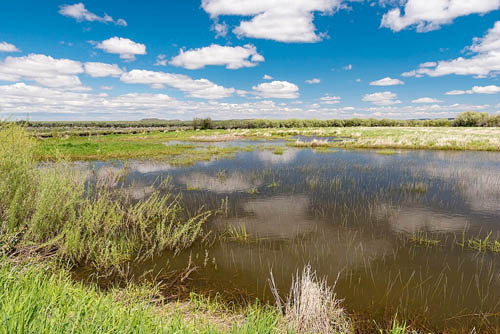 The Trump EPA is racing to finalize a proposed rule that would dramatically weaken the Clean Water Act by stripping federal protections from wetlands and small streams. These waterways, no matter how small in size, are critical to protecting our drinking water, reducing flooding, and sustaining U.S. ecosystems.
 Joy Reeves