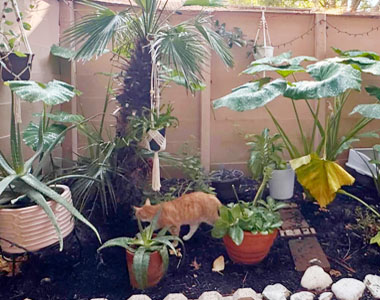
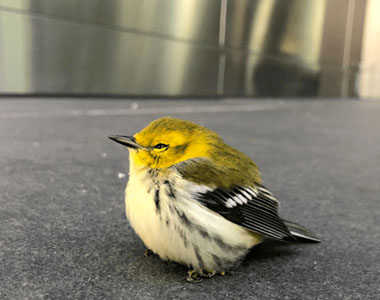
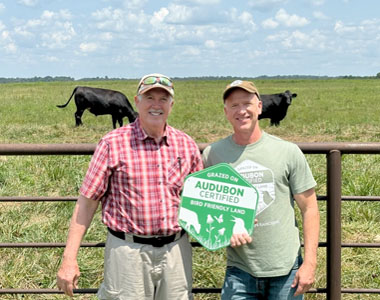
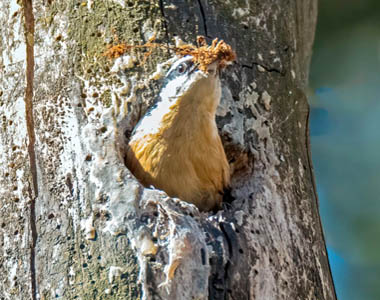
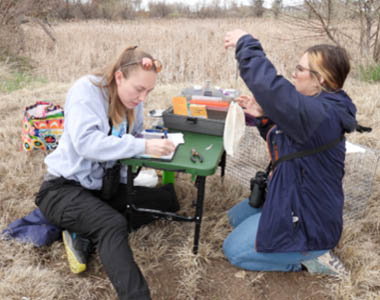
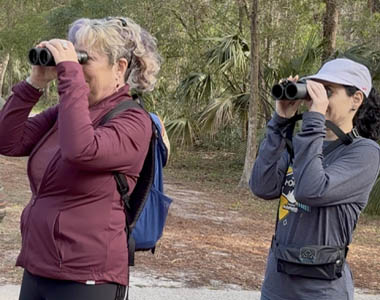
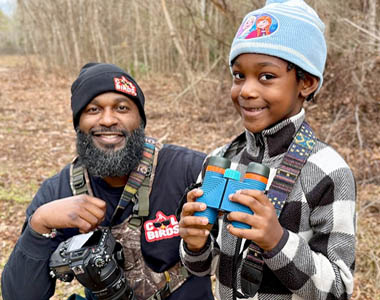
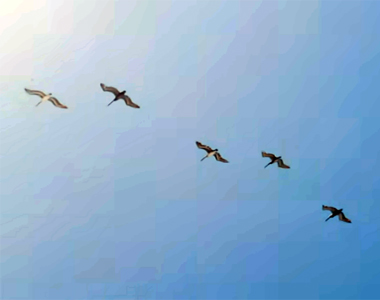
 | "Over increasingly large areas of the United States, spring now comes unheralded by the return of the birds, and the early mornings are strangely silent where once they were filled with the beauty of bird song." – Rachel Carson | | | | | | | | Despite a long, frigid winter and an erratic, cold spring, birds are on the move northward. They will soon be welcomed by backyard birdwatchers and big-time birders alike. That’s why this April issue of RCC’s Bird Watch and Wonder is packed with stories about how the nation’s legion of bird lovers is taking action to make it easier and safer for those millions of spring bird travelers. 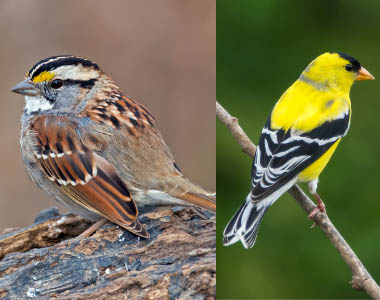 Leading off is our newest contributor, RCC Communications Director, Sydney O’Shaughnessy. Sydney keeps bees on a pastoral patch of land in West Virginia, has always loved nature and the outdoors, but is increasingly becoming, well, bird crazy. You will want to read, put on your refrigerator, and share with friends and neighbors her “Five Ways to Support Migratory Birds This Season.” Spoiler alert. Among the tips? Keep cats indoors. So, bird and cat lovers (Rachel Carson was both...), check out detailed, “purrfect” ways from the American Bird Conservancy to keep your cats indoors and happy — from cat towers and tunnels to a great collections of toys. Leading off is our newest contributor, RCC Communications Director, Sydney O’Shaughnessy. Sydney keeps bees on a pastoral patch of land in West Virginia, has always loved nature and the outdoors, but is increasingly becoming, well, bird crazy. You will want to read, put on your refrigerator, and share with friends and neighbors her “Five Ways to Support Migratory Birds This Season.” Spoiler alert. Among the tips? Keep cats indoors. So, bird and cat lovers (Rachel Carson was both...), check out detailed, “purrfect” ways from the American Bird Conservancy to keep your cats indoors and happy — from cat towers and tunnels to a great collections of toys.
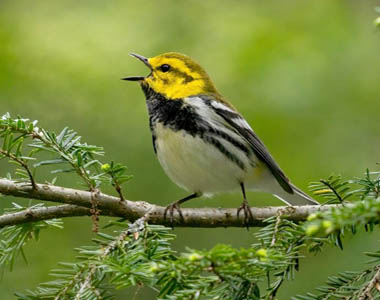
Even Texas is being besieged by bird lovers as groups like Texas Environment and Audubon Texas, along with over 1,000 community members, lobbied the Dallas City Council about the dangers to birds from the Kay Bailey Hutchinson Convention Center. Result? After a $3.7 billion renovation is complete, the center will be entirely clad in bird-friendly glass. 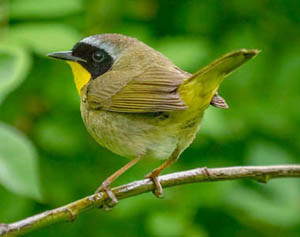 Talk about appreciation for birds. Ross Feldner has had enough of people (ornithologists, actually) referring to some of his favorite birds as “common.” I suspect you share his indignation and will love his recounting of just how spectacular and amazing species like the Common Yellowthroat and others really are. His “What is a Common Bird?” is in our “Bird Lore” section. Talk about appreciation for birds. Ross Feldner has had enough of people (ornithologists, actually) referring to some of his favorite birds as “common.” I suspect you share his indignation and will love his recounting of just how spectacular and amazing species like the Common Yellowthroat and others really are. His “What is a Common Bird?” is in our “Bird Lore” section.
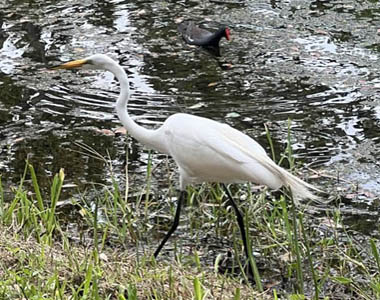
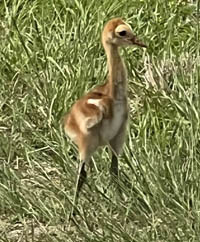 You will also find there my own appreciation of colorful and exotic Florida birds, including one that I never knew has chicks that are called “colts.” The answer to that puzzler is in my “Florida, Rachel Carson and the Birds.” You will also find there my own appreciation of colorful and exotic Florida birds, including one that I never knew has chicks that are called “colts.” The answer to that puzzler is in my “Florida, Rachel Carson and the Birds.”
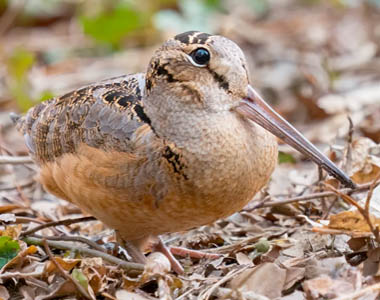
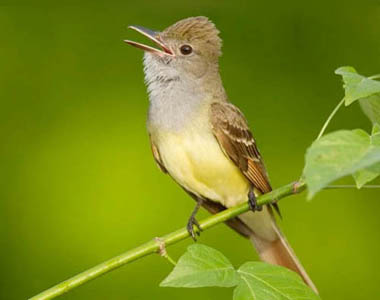
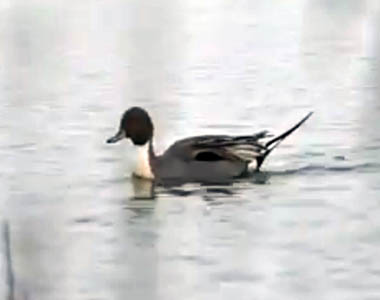
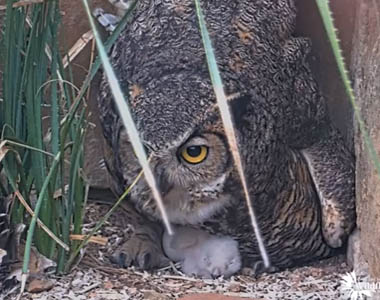
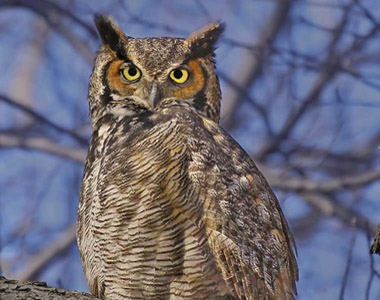
Of course these days, you don’t have to even leave home to appreciate the birds. Our April issue has bird cams with darling owlets, a stunning film of bird migration, Birds on the Move, bird art, and three bird books including Watch and Wonder by Ragan Sutterfield on birdwatching as a spiritual practice. You can read and watch all this, including RCC’s Bird Watch and Wonder, in the glories of your own backyard as the weather finally turns nice and some of those millions of migrants start to arrive safely to perch right by your chair. | | | | | | 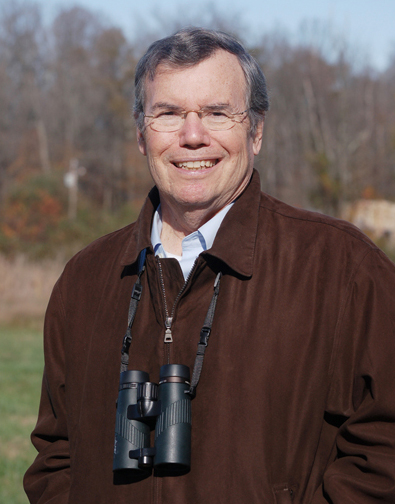 Bob Musil, an avid birder, is the President & CEO of the Rachel Carson Council and author of Rachel Carson and Her Sisters: Extraordinary Women Who Have Shaped America’s Environment (Rutgers, 2016) and Washington in Spring: A Nature Journal for a Changing Capital (Bartleby, 2016). Bob Musil, an avid birder, is the President & CEO of the Rachel Carson Council and author of Rachel Carson and Her Sisters: Extraordinary Women Who Have Shaped America’s Environment (Rutgers, 2016) and Washington in Spring: A Nature Journal for a Changing Capital (Bartleby, 2016). | | | | | | Five Ways to Support Migratory Birds This Season Twice a year, millions of birds take to the skies for their annual migrations. In the United States, between mid-February and mid-June, migratory birds fly northward to return to their breeding grounds, where they will mate and lay eggs. On the East Coast, these birds follow the Atlantic Flyway, a north-south “sky highway” for migratory birds in the Western Hemisphere. According to Sara Hallager, curator of birds at the Smithsonian's National Zoo, the Atlantic Flyway is used widely by birds travelling between their breeding grounds and overwintering sites. | | | | | | | | Pawsitively Purrfect Ways to Keep Cats Happy Indoors Cats are beloved family pets, faithful companions, weird little guys whose antics fill our photo rolls on our phones, and our hearts. Their purrs and chirps, their adorable biiig stretches, the pitter-patter of their approaching paws that we find so endearing make it easy to forget that cats are carnivores. Dangle a feather toy or toss a catnip-filled stuffy to your cat, though, and you’ll quickly remember that they can be fearsome hunters. But even the toughest cats are no match for run-ins with predators, collisions with vehicles, diseases, and other dangers outdoors. | | | | | | | | Dallas Convention Center is Making the Skyline Safer for Birds The Dallas skyline will soon be safer for birds. The Kay Bailey Hutchison Convention Center, located in Dallas, Texas, recently unveiled its plans to adopt bird-friendly glass while it is currently undergoing a $3.7 billion renovation. The changes come in response to advocacy by local groups including the Texas Conservation Alliance, Environment Texas, and Audubon Texas, together with partners including American Bird Conservancy (ABC), and over 1,000 community members who voiced concerns. | | | | | | | | Growing Bird-Friendly Grasslands The Farm Bill helped Audubon’s Conservation Ranching program take flight. Now it’s helping it soar. Grasslands are among the most endangered ecosystems in North America—and grassland birds are paying the price. According to the most recent State of the Birds report, grassland birds have experienced the steepest declines of any bird group, with many species now at or nearing conservation “tipping points.” | | | | | | | | Why Do Nuthatches Coat Their Nest Entrances With Sap? A simple series of experiments looked into why Red-breasted Nuthatches use sticky conifer resin to defend against nest predators and competitors. Since the 1940s, researchers and birders have noticed that Red-breasted Nuthatches have an odd habit: After excavating their nest cavities, these nuthatches gather resin from pine and other conifer trees and use their bills (and, in at least one instance, a piece of bark) to spread it around the entrances to their nest cavities. | | | | | | | | Warblers in New Hampshire’s Forests Have Found an Ideal Way to Divvy Up Territories New research out of the Hubbard Brook Experimental Forest shows that migratory songbirds use their songs to equally allocate breeding territories amongst themselves. It’s early June in the White Mountains of New Hampshire, a clear, cool, calm morning—about an hour after dawn. The rising sun and a greening forest create an ever-shifting dapple of light and shade across the forest floor. | | | | | | | | Colorado River Remains in Crisis with Continued Uncertainty on Water Supply and Operations Audubon and partners cut through the conflict with a unique, basin wide perspective, championing the river’s health for the people and birds that rely on it. The winter of 2025-2026 has not been kind to the Colorado River. Record-warm temperatures day after day across the mountains that feed the river have led to record-low snow levels. All indications are that spring snowmelt feeding the river will be scant. | | | | | | | | Florida, Rachel Carson and the Birds The long, frigid winter and the political climate in Washington has driven me to flee south to Florida, not to Mar-a-Lago, but to visit my wife’s sister, a birder and nature lover, who lives in Clearwater Beach along the Gulf Coast. Later, Caryn and I will head off on our own across Florida, as Rachel Carson did many times for work, for her health, and for respite during the increasingly anti-environmental Eisenhower years. | | | | | | | | What is a “Common” Bird? Using “common” as a derogatory term implies someone is low-class, vulgar, unrefined, or lacks good taste and manners. It is a class-based insult, frequently used in British English to denote a lack of sophistication or social status, signaling that a person is inferior or outside a specific social group. Your honor, I object to the term “common” when it comes to naming birds. No bird is common even if there are large numbers of them. Here is a list of 12 birds of North American that are stuck with the preface “common.” I write about why they are anything but. | | | | | | | | As the Crow Flies “Grief might be, in some ways, the long aftermath of love, the internal work of knowing, holding, more fully valuing what we have lost.” —Mark Doty In one of the most widely known pieces of American poetry, “The Raven,” Edgar Allan Poe tells the tale of a man lamenting his lost love, Lenore. In this macabre story about grappling with grief, a talking raven appears, repeatedly reminding the lover of what will no longer be and driving him further into the depths of despair with the simple word: nevermore. | | | | | | | | | | Research Roundup: Songs of Spring From the crooning of cardinals to the chattering of chickadees and the myriad melodies of robins, wrens, bluejays and more, stepping outside and hearing the sounds of an avian orchestra is a warm and welcome herald of a new season and life and growth. But beyond the beauty of these tunes, what can the way birds sing tell us about nature, evolution and communication as a whole? According to Lauryn Benedict, Ph.D., professor and associate chair of Biological Sciences in the College of Natural and Health Sciences, the answer is: quite a lot. | | | | | | | | Watching Like a Hawk: A Look at the Lore of Bird-watching The U.S. Fish and Wildlife Service estimates that there are 96 million birders in the United States. That’s one in three adults in this country. And even if you aren’t one of them, you may just be bird-watching by default. President of the Tampa Audubon Society and the Florida Ornithological Society Ann Paul believes everyone is a bird-watcher to some extent — even if you've never really thought about it. | | | | | | | | A Cattle Farm in Alabama Draws Birders for a Spectacle of Kites I’ve spent nearly half a century enthralled by birds, ever since discovering them in middle school back in the 1970s. I grew up in the Midwest, in the sprawling city of Columbus, Ohio. I remember sitting at my little desk in Mr. Entsminger’s science class in the 7th grade, when I did a book report on the majestic Philippine Eagle. From that moment on, I became fascinated by birds, which really brought the world of nature into view for this little shy, urban kid with a giant Afro nearly twice the size of my face. | | | | | | | | These Rotund and ‘Charmingly Goofy’ Birds Are Delighting New Yorkers and Dancing on Social Media. What Is the American Woodcock? The endearing animals make a pit stop in Bryant Park during their migrations to northern breeding grounds, gathering fans and starring in viral videos. Where rare birds go, camera-toting enthusiasts tend to follow. But sometimes, all it takes to cause a commotion is a relatively common, though little-known, bird with some funky dance moves. | | | | | | | | Gallery: Birds With Borders When illustrator C.F. Payne looks at the California Gull that he painted in the shape of Utah, he says that he has a good laugh: “It reminds me of the old Tom and Jerry cartoons, like when Tom gets his head slammed in a mailbox.” That sense of whimsy shows up throughout a recent project Payne undertook to paint all 50 state birds of the U.S.A., with each bird portrayed in the shape of the state they represent. | | | | | | | | Ten Artists Inspired by Birds I am sure I am not the only one to marvel over how a cardinal’s magnificent red pops against the winter snow. Or to be amused when a bright yellow checker taxi cab-looking bird (a finch!) lands at my kitchen window bird feeder. What is it about birds that capture our fancy? Do we dream of taking flight? Who wouldn’t love, once in a while, to be able to shake off our earth-boundedness and soar? The use of birds can be seen in the earliest known art (the Lascaux Caves), as well as in contemporary street art and everywhere in between. | | | | | | | | The Great Gull Island Project’s Birdathon Weekend Is Coming — May 2-3, 2026! Join our 2026 Birdathon, build your team, and help us raise $20K to protect one of the most important tern colonies in the world based in the Long Island Sound. The Linnaean Society has supported Great Gull Island’s critical tern conservation work since the 1960s. Because of that investment, this tiny island in the Long Island Sound now hosts the Western Hemisphere’s largest nesting colonies of Common Terns and Roseate Terns. | | | | | | | | Upcoming Audubon Mid-Atlantic Events in Maryland Billions of North American birds rely on stopover habitat to complete their migratory journeys each spring and fall. Your home, patio, school, or community green space can provide the resources they need to survive, while also creating a beautiful space for people to enjoy. Join experts from Audubon Mid-Atlantic and Blue Water Baltimore for a free webinar series on transforming your outdoor space into a bird-friendly habitat, just in time for the spring planting season. You can register for one webinar or as many you would like. | | | | | | | | Great-crested Flycatcher This flycatcher spends almost no time on the ground mainly because it cannot walk or even hop! It spends almost all its time high in the treetops chasing insects by swooping out for prey from a hunting perch with an unobstructed view and unobstructed flight paths. It hunts high up in the tree canopy which helps cut down on direct competition. Great Crested Flycatchers prefer hunting using multiple dead branches that have foliage around them for cover. | | | | | | | | Momentary Meditations are published every Monday to awaken what Rachel Carson called “the sense of wonder” and what Albert Schweitzer called “a reverence for life.” Looking deeply into our interdependence with all life on earth helps us know what we must do. In our harried world, these meditations are meant to serve as a renewable resource for compassion and love. Pintails Mate - This breeding male Northern Pintail, with its gleaming white breast and signature pointed tail, found and then followed its mate into the more private shoreline marsh. I watched this mating scene at the Edwin B. Forsythe National Wildlife Refuge in Brigantine, NJ. | | | | | | | | Owlets Hatch At The Wildflower Center Great Horned Owl Nest The Great Horned Owl Cam just got a whole lot cuter this week thanks to two new arrivals. Athena, the female owl, stood watch over the nest as her first egg hatched a down-covered owlet on April 8 after 34 days of incubation. The second owlet arrived two days later, on April 10. Over the next six weeks, viewers will get an intimate look at the nestling period of one of the sky’s most formidable predators. | | | | | | | | Bird Cams A Virtual Window Into the Natural World of Birds The Cornell Lab Bird Cams connects viewers worldwide to the diverse and intimate world of birds. We work to make watching an active experience, sparking awareness and inspiration that can lead to conservation, education, and engagement with birds. Our viewers tell us that watching the cams is a life changing experience: an unprecedented learning experience that they liken to virtual field trips or field biology in their living room. | | | | | | | | Birds on the Move Journey with us as we follow bird migration across the continent. Birds on the Move is a four-part documentary series tracking bird migration and the people and places it touches, from Canada to Cali, Colombia. Across the series, you’ll meet: Scientists tracking birds across hemispheres Indigenous and local leaders protecting critical habitats Urban communities making cities safer for migration Young conservationists shaping the future Together, these stories reveal how migration connects us all—and why protecting birds protects the planet. | | | | | | | | Consider the Birds:
Heartwarming True Stories of Our Feathered Friends by Callie Smith Grant, Editor True Stories Celebrating the Intelligence and Beauty of Birds 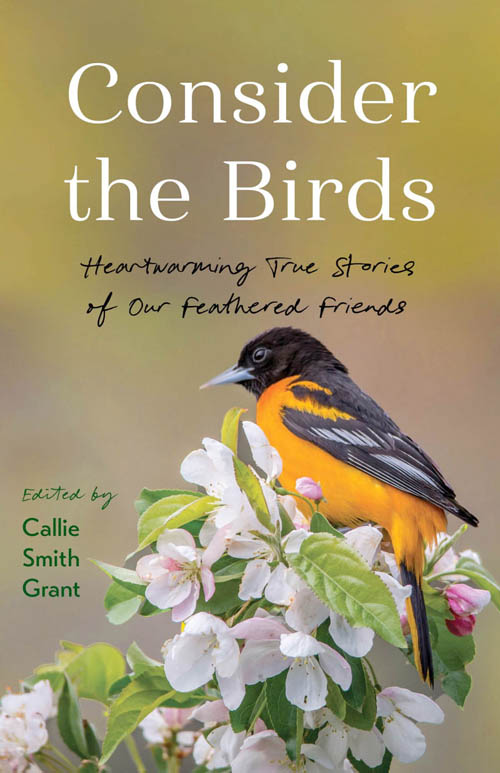 Whether we watch quick little songbirds at our backyard feeders, keep a flock of chickens, teach parrots to talk, or stand looking up at the sky, mesmerized by the aerial acrobatics of blackbirds gathering as the leaves turn in the fall, humans have an almost universal admiration of and interest in birds. We love the birdsong of spring, the fledglings in summer, the deep V of geese in autumn, the bright spot of red cardinals against white snow. Whether we watch quick little songbirds at our backyard feeders, keep a flock of chickens, teach parrots to talk, or stand looking up at the sky, mesmerized by the aerial acrobatics of blackbirds gathering as the leaves turn in the fall, humans have an almost universal admiration of and interest in birds. We love the birdsong of spring, the fledglings in summer, the deep V of geese in autumn, the bright spot of red cardinals against white snow.
Wild or domestic, birds are clearly one of God's best gifts. This collection of forty heartwarming true stories of our fine feathered friends from animal-lover Callie Smith Grant celebrates that gift. With stories of brave budgie brothers, serene shore birds, hungry hummingbirds, a curious crow, an owl that came into a boy's life as an answer to prayer, and many more, Consider the Birds is the perfect companion to a cozy blanket, a cup of tea, and a chair by the window—where you can see the birds. Read more and purchase | | | | | | | | | | Watch and Wonder Birding as a Spiritual Practice By Ragan Sutterfield 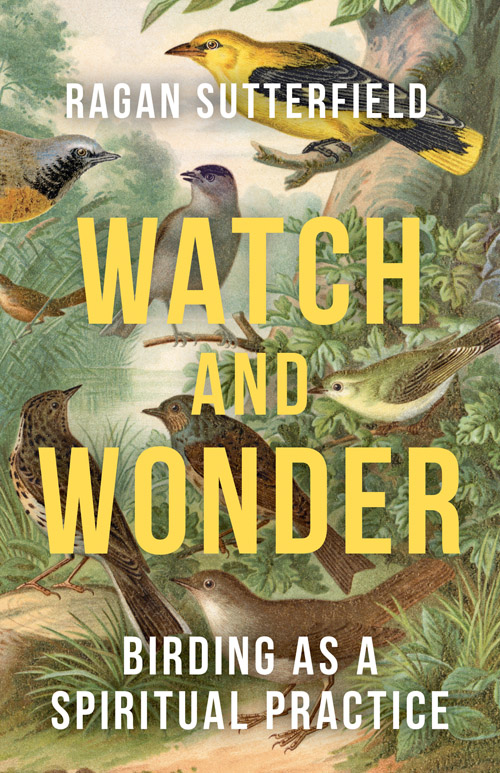 Birdwatching is a delight, a deepening. It puts us in touch with the ineffable, and it draws us toward self-denial for the sake of love. Birding brings us close to hope, abundance, and joy. In fact, it looks a lot like prayer. Birdwatching is a delight, a deepening. It puts us in touch with the ineffable, and it draws us toward self-denial for the sake of love. Birding brings us close to hope, abundance, and joy. In fact, it looks a lot like prayer.
From having his vision opened by a rare flycatcher, to learning the power of naming while watching shorebirds, to forging friendships on a Christmas Bird Count, naturalist, birder, and Episcopal priest Ragan Sutterfield delves into how birdwatching shapes our souls. He writes of turning yards into refuges for birds on their long migration. Even as we reckon with the inconsolable grief of habitat loss and species decline, he writes, birds can give us hope amid the desolation.
Readers of Margaret Renkl, Drew Lanham, and Terry Tempest Williams will find a kindred spirit in Sutterfield as he explores, in verdant and lyrical prose, the spirituality of birding over a year of watching, waiting, and wondering. In each chapter, Sutterfield names a particular way in which paying attention to birds shapes our souls and draws us toward awe. Twelve virtues and practices rooted in the Christian tradition--including joy, attention, slowness, kenosis, and friendship--are nurtured within us as we wait and watch and wait some more. Watching birds, we move toward sacramental sight: looking at the visible to find the holy hidden behind it. Read more and purchase. | | | | | | The Motley Crew Who Saved America’s Birds 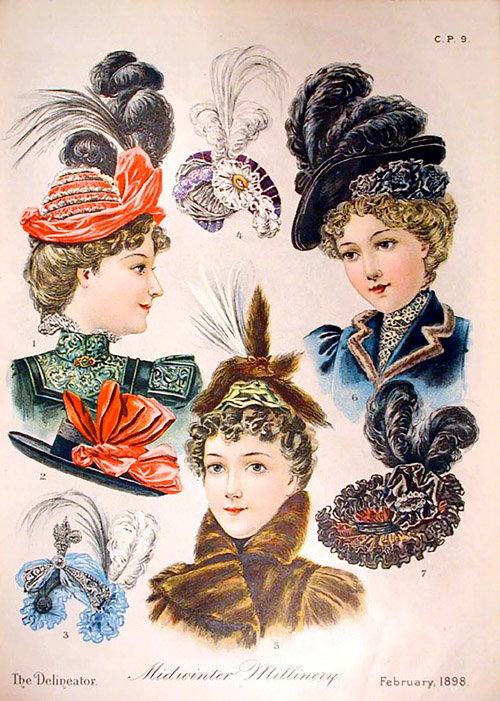 In “The Feather Wars,” James H. McCommons pays tribute to the nation’s first conservationists. In “The Feather Wars,” James H. McCommons pays tribute to the nation’s first conservationists.
In the late 19th and early 20th centuries, a peculiar craze swept through America. Men — and they were almost always men — tramped through fields and climbed into aeries, raiding nests, pocketing eggs, blowing out embryos and arranging the shells in carefully labeled cabinets.
Some claimed scientific motives; many were driven by something harder to explain. Known as oologists, these collectors became so numerous that they helped push several species toward extinction. The obsession wasn’t uniquely American, but the hobby flourished with particular zeal in the United States. The egg craze is one of the many afflictions chronicled in James H. McCommons’s “The Feather Wars,” an exhaustive — and sometimes exhausting — history of the early conservation movement. A professor emeritus of journalism at Northern Michigan University who has spent decades amid the forests and shorelines of the Upper Peninsula, McCommons recounts how a loose coalition of naturalists, sportsmen, artists and politicians mobilized to halt what he portrays as an avian massacre. Read more and purchase. | | | | | | The April 2026 issue of Bird Watch and Wonder was produced by Ross Feldner | | | |  The Rachel Carson Council Depends on Tax-deductible Gifts From Concerned Individuals Like You. Please Help If You can. The Rachel Carson Council Depends on Tax-deductible Gifts From Concerned Individuals Like You. Please Help If You can. | | | |  Sign Up Here to Receive the RCC E-News and Other RCC Newsletters, Information and Alerts. Sign Up Here to Receive the RCC E-News and Other RCC Newsletters, Information and Alerts. | | | | | | RACHEL CARSON COUNCIL
8600 Irvington Avenue
Bethesda, MD 20817
(571) 262-9148
[email protected] | | | | | | | | | | | |