 | "In our modern world nothing may be taken for granted-not even
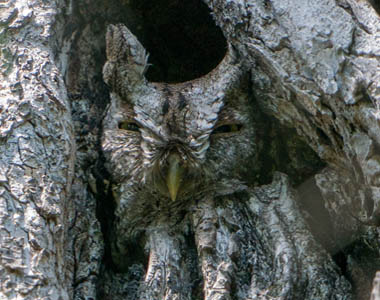
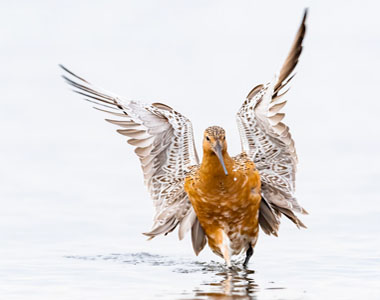
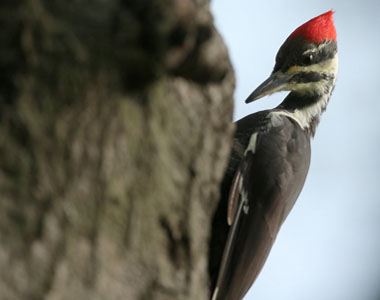
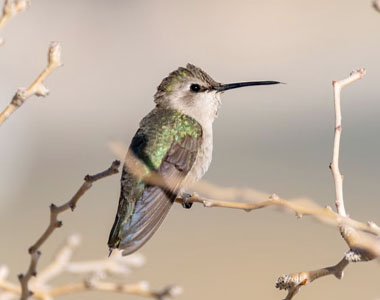
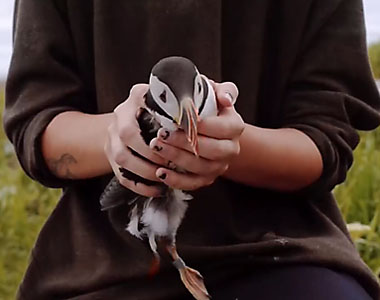
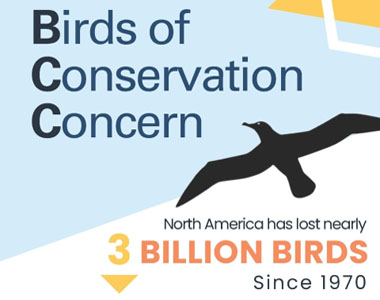
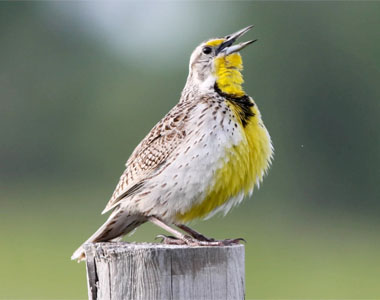
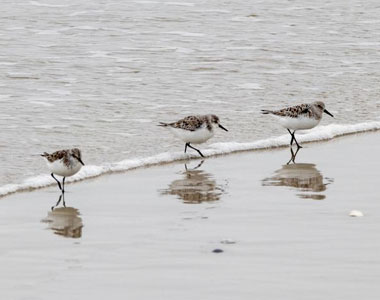
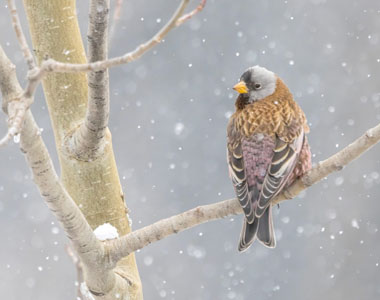
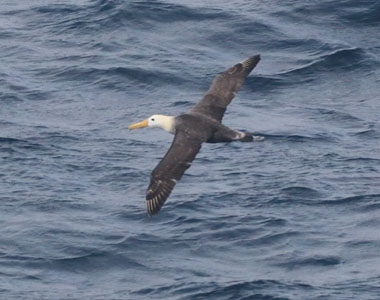
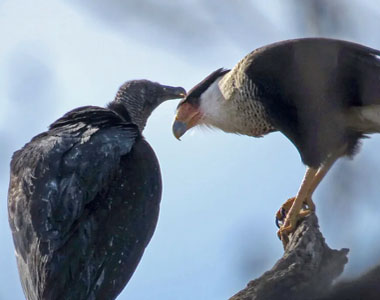
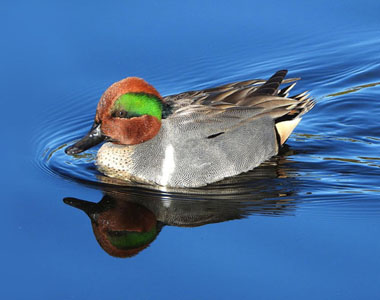
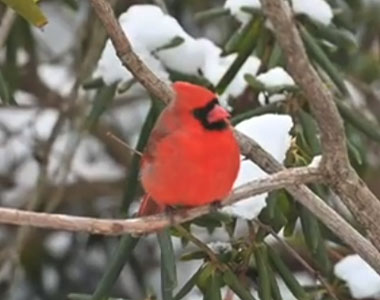
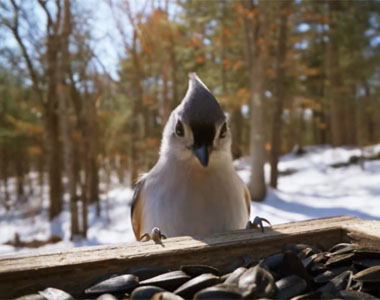
the spring songs that herald the return of the birds." – Rachel Carson | | | | | | | | 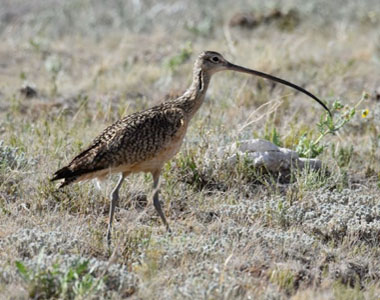 Arctic cold, snow and ice has kept most of us homebound this winter. Friends who are not birders tell me that staring out the window at their bleak, icy yard has led to amazing discoveries. “ I saw some sort of hawk swoop in and kill a little brown bird at my feeder!” The Cooper’s Hawk they likely saw is a master of stillness, stealth and predation. The House Finch it snatched is originally from the West Coast and not designed to blend into snowy scenes. That “little brown bird” badly needed better camouflage, more like the grey and white titmouse you can watch up close in the video series “Backyard Birds Revealed” we feature in this issue. Camouflage is the remarkable adaptation birds have developed to make it hard for predators to find and eat them. That’s why this dead of winter February issue of RCC’s Bird Watch and Wonder opens with Ross Feldner’s “Hiding in Plain Sight,” his usual fascinating exploration of how birds of all kinds manage to blend into the landscape and elude danger. Feldner is followed by the amazing interspecies story of how Long-billed Curlews listen for the barking of prairie dogs as they signal danger from some predator in the sky and scurry into their tunnels. The curlew then flattens itself onto the ground, lowering its profile and fading into the landscape. Arctic cold, snow and ice has kept most of us homebound this winter. Friends who are not birders tell me that staring out the window at their bleak, icy yard has led to amazing discoveries. “ I saw some sort of hawk swoop in and kill a little brown bird at my feeder!” The Cooper’s Hawk they likely saw is a master of stillness, stealth and predation. The House Finch it snatched is originally from the West Coast and not designed to blend into snowy scenes. That “little brown bird” badly needed better camouflage, more like the grey and white titmouse you can watch up close in the video series “Backyard Birds Revealed” we feature in this issue. Camouflage is the remarkable adaptation birds have developed to make it hard for predators to find and eat them. That’s why this dead of winter February issue of RCC’s Bird Watch and Wonder opens with Ross Feldner’s “Hiding in Plain Sight,” his usual fascinating exploration of how birds of all kinds manage to blend into the landscape and elude danger. Feldner is followed by the amazing interspecies story of how Long-billed Curlews listen for the barking of prairie dogs as they signal danger from some predator in the sky and scurry into their tunnels. The curlew then flattens itself onto the ground, lowering its profile and fading into the landscape. 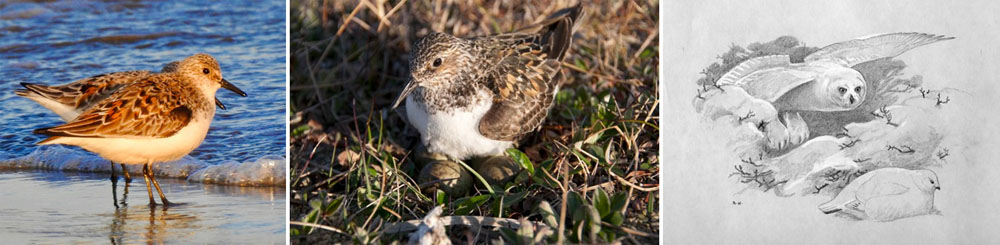 Such camouflage in birds is a natural phenomenon that Rachel Carson knew well and described in her first book, Under the Sea-Wind. Carson follows the perils of a pair of sanderlings named Blackfoot and Silverbar who migrate north in June to the Arctic for its brief summer where the sun-drenched tundra is blooming and rich in food. Usually white in winter, before they migrate these little sandpipers’ plumage begins to shift to a rusty-brown or reddish-brown head, neck, and back, heavily mottled with black and white. These vibrant colors help them blend in for summer nesting. When winter soon arrives and the Arctic tundra becomes a dazzling white, Carson describes the battle between predator and prey, (and her friend and colleague Bob Hinds illustrates it) as white raptors like Snowy Owls and Gyrfalcons seek out equally white ptarmigan trying to hide in plain sight on the snow. Such camouflage in birds is a natural phenomenon that Rachel Carson knew well and described in her first book, Under the Sea-Wind. Carson follows the perils of a pair of sanderlings named Blackfoot and Silverbar who migrate north in June to the Arctic for its brief summer where the sun-drenched tundra is blooming and rich in food. Usually white in winter, before they migrate these little sandpipers’ plumage begins to shift to a rusty-brown or reddish-brown head, neck, and back, heavily mottled with black and white. These vibrant colors help them blend in for summer nesting. When winter soon arrives and the Arctic tundra becomes a dazzling white, Carson describes the battle between predator and prey, (and her friend and colleague Bob Hinds illustrates it) as white raptors like Snowy Owls and Gyrfalcons seek out equally white ptarmigan trying to hide in plain sight on the snow. Given the astonishing endurance, navigation, and survival techniques of birds like sanderlings and the Bar-tailed Godwits described by Bruce Beehler in “Meet the Bird That Can Fly 8,000 Miles Without Stopping,” it is no wonder that we humans go out of our way to try to protect them. (You can read a review and purchase Beehler’s book, Flight of the Godwit, in our February “Books” section toward the end of this issue.) Our care and concern for our feathered friends is particularly appropriate since human-caused global climate change and rampant development that destroy habitats are among the main reasons for the steep decline in birds. In our “Action and Advocacy” section, then, you will want to meet researchers like Don Lyons of the Audubon Seabird Institute who spend their time on rocky offshore islands working to restore habitat for everyone’s favorite, the Atlantic Puffin. And, given the popularity of birds (and the strength of the avian advocacy community), even the current MAGA-led, anti-environmental Congress felt compelled not to cut some conservation funds and passed HR 6938, requiring funding for agencies nominally charged with protecting birds and their habitat such as the U.S. Fish and Wildlife Service (FWS) and the U.S. Geological Survey (USGS). Given the rise in Americans across the country trapped at home in our own Arctic winter who took to looking closely at their backyard birds for the very first time, it seems likely as things thaw this spring, that the number of new bird watchers and advocates will also begin to grow. It is why Rachel Carson wrote as she did and why she quoted Emily Dickinson, “Hope is a Thing With Feathers.” | | | | | | 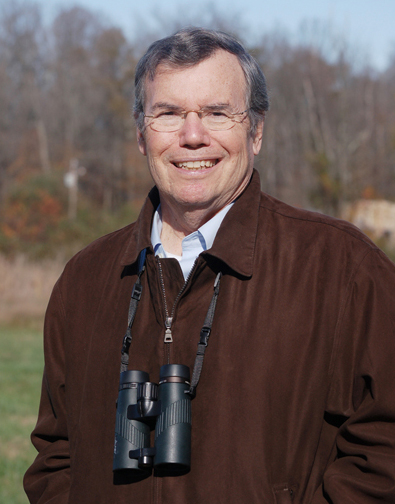 Bob Musil, an avid birder, is the President & CEO of the Rachel Carson Council and author of Rachel Carson and Her Sisters: Extraordinary Women Who Have Shaped America’s Environment (Rutgers, 2016) and Washington in Spring: A Nature Journal for a Changing Capital (Bartleby, 2016). Bob Musil, an avid birder, is the President & CEO of the Rachel Carson Council and author of Rachel Carson and Her Sisters: Extraordinary Women Who Have Shaped America’s Environment (Rutgers, 2016) and Washington in Spring: A Nature Journal for a Changing Capital (Bartleby, 2016). | | | | | | Hiding in Plain Sight Many birds boast bright bold colors that scream “look at me!” Others lean the other way and say “See if you can find me!” There are many survival strategies in the bird world and one of the most “obvious” is camouflage. Camouflage is a disguise, using color, pattern, or shape, that helps many bird species blend into their surroundings to hide from predators, or to conceal themselves, making them hard to see or look like something else. | | | | | | | | This Grassland Bird Eavesdrops on Prairie Dogs to Keep Itself Safe From Predators Prairie dogs are the Paul Reveres of the Great Plains: They bark to alert neighbors to the presence of predators, with separate calls for dangers coming by land or by air. "Prairie dogs are on the menu for just about every predator you can think of"— golden eagles, red-tailed hawks, foxes, badgers, even large snakes — said Andy Boyce, a research ecologist in Montana at the Smithsonian's National Zoo and Conservation Biology Institute. | | | | | | | | Meet the Bird That Can Fly 8,000 Miles Without Stopping Could anything be more humbling to the puffed-up human race than the abilities of a young sandpiper named B6? Many of us find animal achievements fascinating, especially stunning feats of migration and navigation. We are awed by southbound autumn travels of monarch butterflies flying from New England to their winter retreat in Mexico. Or the young male mountain lion that trekked from Black Hills of South Dakota to Connecticut in search of a territory. | | | | | | | | Why a Woodpecker is Breaking Car Mirrors in This Small New England Town Rockport residents have a history of fighting off invaders, but not this time. During the War of 1812, townsfolk in the tiny fishing village hurled rocks at British soldiers using their stockings as slings. Now, they're slinging trash bags and towels over the side mirrors of their cars to protect them from a destructive and determined Pileated Woodpecker. | | | | | | | | Should I Use a Hummingbird Feeder in Winter? What Experts Say Here’s what to know about feeding hummingbirds in winter. Depending on where you live, you may see hummingbirds in winter and want to feed them. Cold temperatures can raise concerns about how the birds survive—and whether a feeder actually helps. So what do experts say about feeding hummingbirds during the winter months? | | | | | | | | How Researchers Restored a Thriving Habitat For Atlantic Puffins in Maine Atlantic puffins face an increasingly precarious foothold due in part to a loss of habitat and to troubles tied to warming ocean waters and climate change. But an effort off the coast of Maine continues to provide a crucial nesting habitat for these seabirds and a place for them to thrive. Science correspondent Miles O'Brien traveled to the colony for our series, Tipping Point. | | | | | | | | Bring Birds Back Most bird families across the continent are declining, and many species are at risk of disappearing entirely. It is estimated that North America has lost nearly 3 billion breeding birds since 1970, which is roughly 1 out of every 4 birds. By working together, we can strengthen our partnerships, efforts, creativity, and capacity to sustain and grow bird populations to Bring Birds Back. | | | | | | | | Federal Spending Bill That Strengthens Bird Conservation Signed Into Law In good news for birds and other wildlife, on January 23, 2026, a funding package for essential conservation programs was passed with overwhelming bipartisan support in both the House and Senate. The bill, H.R.6938, “Commerce, Justice, Science; Energy and Water Development; and Interior and Environment Appropriations Act, 2026,” requires funding for the U.S. Department of Interior, which oversees agencies critical to bird conservation. | | | | | | | | Noise Pollution is Affecting Birds’ Reproduction, Stress Levels and More. The Good News is We Can Fix It. New research led by the University of Michigan is painting a more comprehensive picture of how noise pollution is impacting birds around the world. “The major takeaway from this study is that anthropogenic noise affects many aspects of bird behavior, with some responses more directly tied to fitness,” said Natalie Madden, lead author of the new study. | | | | | | | | North American Bird Declines Are Driven By Reductions in Common Species Bird abundance in the United States has decreased by 29% in the last fifty years. Similar patterns have been recorded for insects in Europe. A detailed analysis of over 38,000 Breeding Bird Survey routes in the US shows that losses of once-abundant bird species have fueled the decline over the past half-century. Paradoxically, many of their rarer counterparts are increasing, some likely capitalizing on opportunities created by climate change. | | | | | | | | | | Macaulay Library’s Best Bird Photos 2026 More than 30,000 photographers have contributed images to the Macaulay Library through their eBird checklists. Sometimes a photographer finds a bird staring right back at the camera, such as when photographer Toby Carter caught the intense glare of a young Osprey about to be released during a licensed banding session on the coast of northern England. | | | | | | | | Rare Albatross Coasts Above California Waters Far From Home The unexpected sighting of a waved albatross, which was thousands of miles from its typical range, earned it a label ornithologists reserve for the unexpected: an avian “vagrant.” The bird came out of the blue shortly after noon, wheeling low over the Pacific as a research vessel pressed on and as dolphins and humpback whales breached the water. | | | | | | | | These Birds Are of Different Feathers, but They Flock Together Researchers and volunteers in Texas documented birds of different species preening one another. Experts say the behavior may be more common than documented. On Feb. 4, 2023, in Phil Hardberger Park in San Antonio, a large bird glided into a tree. Another bird, already perched there, began to preen the newcomer’s head and neck. | | | | | | | | Bird Identification Takes Time Only extensive field experience can elevate your identification skills to a high level. The difficulty in identifying birds scares many people from pursuing the hobby, but there are a number of things that can help you in your quest. The field guide is a valuable tool, but it must be remembered that you will almost never see the bird close up for a prolonged period of time. Often lighting is poor making determination of color poor, and size is difficult to determine at a distance. | | | | | | | | Birding Festivals and Events A great way to enjoy birdwatching is by going to festivals—they’re organized to get you to well-known birding spots at the right time of year, and they’re a perfect way to meet people. Experts and locals help you see more birds, and you’ll meet other visitors who share your hobby. While you’re there, keep an eye out for Cornell Lab representatives, as we do attend several festivals each year. | | | | | | | | Green-winged Teal These compact, perky little ducks hold the record for smallest dabbling duck in North America. They are about the size of a robin, but what they lack in size they make up in numbers with some wintering flocks containing up to 50,000 members! Green-winged Teals inhabit inland lakes, marshes, ponds, pools, and shallow streams with dense emergent and aquatic vegetation. | | | | | | | | Momentary Meditations are published every Monday to awaken what Rachel Carson called “the sense of wonder” and what Albert Schweitzer called “a reverence for life.” Looking deeply into our interdependence with all life on earth helps us know what we must do. In our harried world, these meditations are meant to serve as a renewable resource for compassion and love. Hope in Dark Times - Seeing a male Cardinal after the death of a loved one or in the dark of winter is often considered a spiritual message of hope and joy. In these dangerous and dark political times, I hope you will take a moment and enjoy the beauty of this bird. | | | | | | | | Backyard Birds Revealed Made possible by Wild Birds Unlimited, Backyard Birds Revealed is a five-part video series from our partners at Cornell Lab of Ornithology. It captures the hidden details of backyard birds through inventive, award-winning cinematography from wildlife filmmakers Tim and Russell Laman, using a 1,000-frames-per-second camera to slow down the action. Watch the series to see your everyday feeder birds in a whole new way and deepen your connection with nature, right outside your window. | | | | | | | | Flight of the Godwit: Tracking Epic Shorebird Migrations Bruce M. Beehler 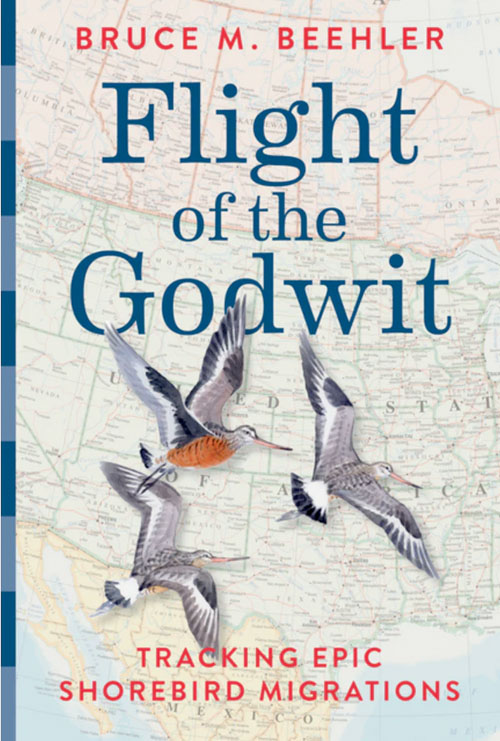 An immersive travelogue that belongs on every birder's bookshelf, with 30 gorgeous black-and-white illustrations and a birdwatching species checklist Flying more than 8,000 miles from Alaska to eastern Australia without stopping to eat or rest, the Bar-tailed Godwit holds the record for the longest nonstop migration of any land bird in the world. Flight of the Godwit invites readers on ornithologist Bruce M. Beehler's awe-inspiring journey in search of North America's largest and farthest-flying shorebirds. Driving 35,000 miles between 2019 to 2023, Beehler sought birds he dubs the "Magnificent Seven": An immersive travelogue that belongs on every birder's bookshelf, with 30 gorgeous black-and-white illustrations and a birdwatching species checklist Flying more than 8,000 miles from Alaska to eastern Australia without stopping to eat or rest, the Bar-tailed Godwit holds the record for the longest nonstop migration of any land bird in the world. Flight of the Godwit invites readers on ornithologist Bruce M. Beehler's awe-inspiring journey in search of North America's largest and farthest-flying shorebirds. Driving 35,000 miles between 2019 to 2023, Beehler sought birds he dubs the "Magnificent Seven": - Hudsonian Godwit
- Bar-tailed Godwit
- Marbled Godwit
- Whimbrel
- Long-billed Curlew
- Bristle-thighed Curlew
- Upland Sandpiper
Beehler interweaves colorful fieldwork stories and rich details on local culture with the natural history and biology of shorebirds—including evolution, the physics of migration, orientation, homing, foraging, diet, nesting, parental care, wintering, staging, elusive "super-migrators," and the importance of conservation efforts. With authoritative prose and 30 beautiful black-and-white illustrations from artist Alan T. Messer, the book journeys through 37 states and 9 Canadian provinces from Texas to Alaska to Canada's High Arctic. Flight of the Godwit is a captivating adventure and a tribute to remarkable birds and birding itself. Read more and purchase | | | | | | | | | | The February 2026 issue of Bird Watch and Wonder was produced by Ross Feldner | | | |  The Rachel Carson Council Depends on Tax-deductible Gifts From Concerned Individuals Like You. Please Help If You can. The Rachel Carson Council Depends on Tax-deductible Gifts From Concerned Individuals Like You. Please Help If You can. | | | |  Sign Up Here to Receive the RCC E-News and Other RCC Newsletters, Information and Alerts. Sign Up Here to Receive the RCC E-News and Other RCC Newsletters, Information and Alerts. | | | | | | RACHEL CARSON COUNCIL
8600 Irvington Avenue
Bethesda, MD 20817
(571) 262-9148
[email protected] | | | | | | | | | | | |