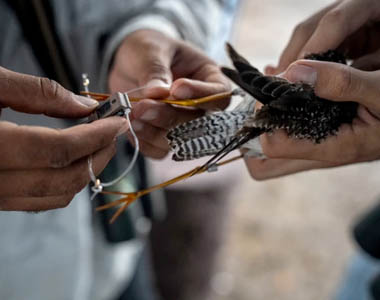
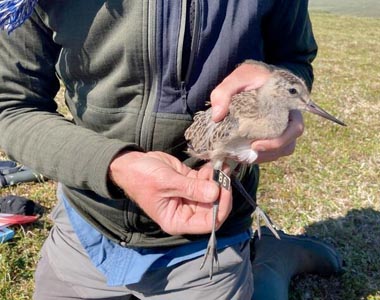
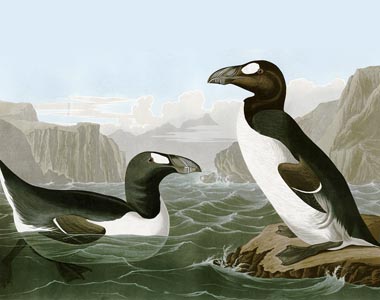
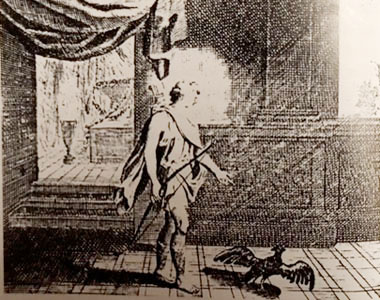
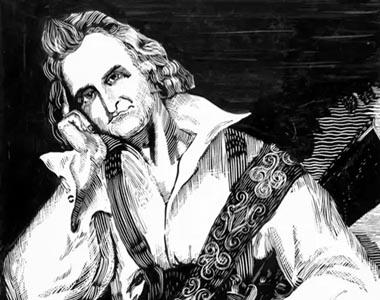
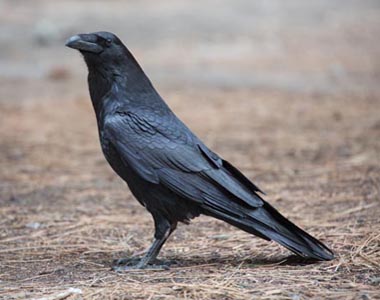
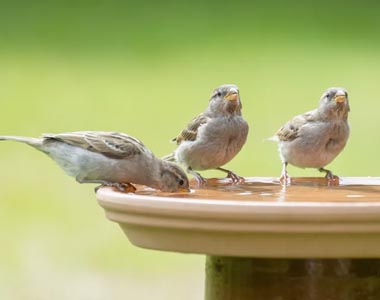
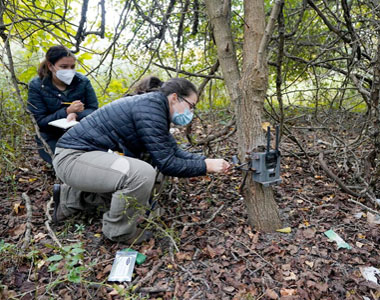
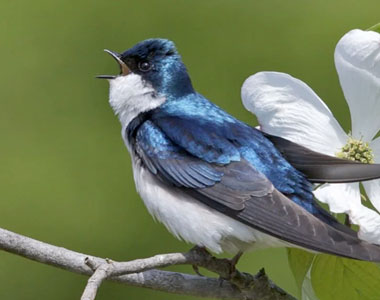
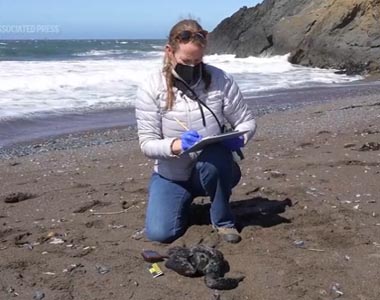
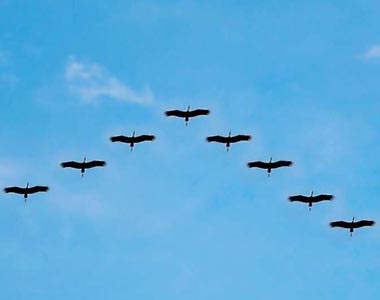
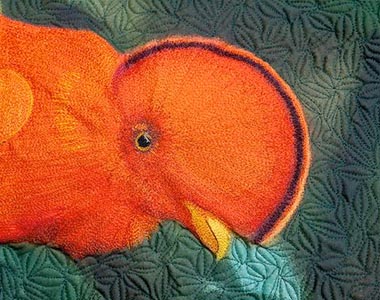
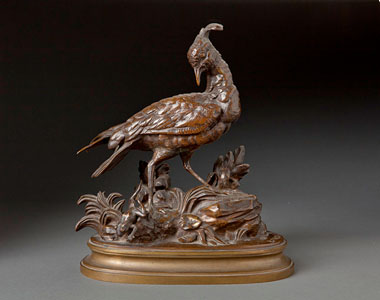
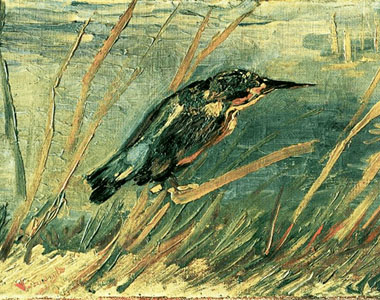
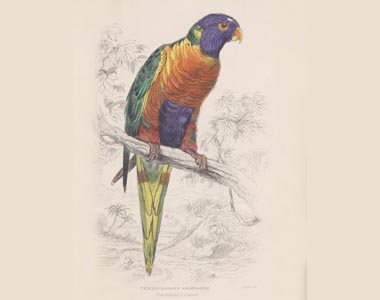
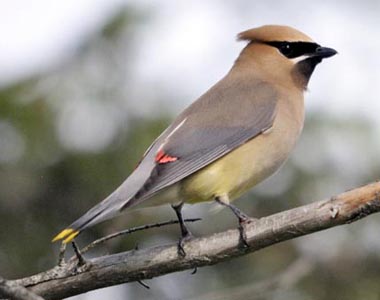
| | | | “These sprays, dusts, and aerosols are now applied almost universally to farms, gardens, forests, and homes — nonselective chemicals that have the power to kill every insect, the "good" and the "bad," to still the song of birds and the leaping of fish in the streams, to coat the leaves with a deadly film, and to linger on in soil ” —Rachel Carson | | | | | | This summer has been marked by relentless, enervating heat. Crank up the AC and stay inside. It is, frankly, unhealthy outside. As I peer out from my study window at my beloved backyard birds – nesting catbirds and Carolina Wrens, bold Blue Jays who wet and chew the bird seed to carry and feed to their young, I am amazed that they seem unfazed by the intolerable conditions brought on by climate change. This July summer issue of RCC’s Bird Watch and Wonder, then, is mostly an homage to the feats of endurance, migration, adaptation, and survival of our friends the birds who live without electricity, motorized vehicles, or houses with controlled indoor temperatures. 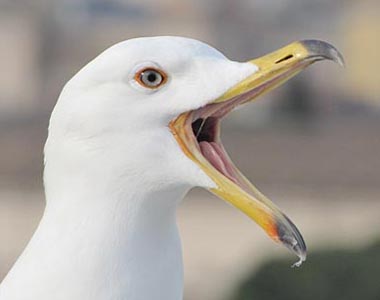 If you live near a beach and seek some relief there, you will have encountered our most visible and vocal seaside resident, the seagull. Here on the East Coast they are mostly Herring Gulls who have happily adapted to sharing the beach with us and stealing our sandwiches and fries! Ross Feldner, who has been robbed and crapped on by many a seagull, explores the wonderful world of gulls around the nation and how they managed to adapt so well to the human-constructed environment. Start soaring with his “Round Round, Get Around, Gulls Get Around.” If you live near a beach and seek some relief there, you will have encountered our most visible and vocal seaside resident, the seagull. Here on the East Coast they are mostly Herring Gulls who have happily adapted to sharing the beach with us and stealing our sandwiches and fries! Ross Feldner, who has been robbed and crapped on by many a seagull, explores the wonderful world of gulls around the nation and how they managed to adapt so well to the human-constructed environment. Start soaring with his “Round Round, Get Around, Gulls Get Around.” Then there is Cholao, a small Lesser Yellowlegs who has become a social media star as satellites track his astounding journey from Southwestern Columbia to the Canadian boreal forest. But, incredibly enough, the world migration record for birds has just been set by a four-month old Bar-Tailed Godwit who has flown 8,425 miles in 11 days non-stop from Alaska to Tasmania in Australia.  Of course, these amazing creatures, despite their stunning capabilities, are being threatened, harmed, and reduced by the manifold obstacles we have put in their way. It’s why in our “Action and Advocacy” section, we offer tips on how help the birds, from making our backyards safer to lobbying on their behalf. Of course, these amazing creatures, despite their stunning capabilities, are being threatened, harmed, and reduced by the manifold obstacles we have put in their way. It’s why in our “Action and Advocacy” section, we offer tips on how help the birds, from making our backyards safer to lobbying on their behalf.
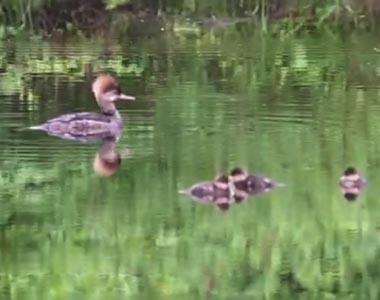
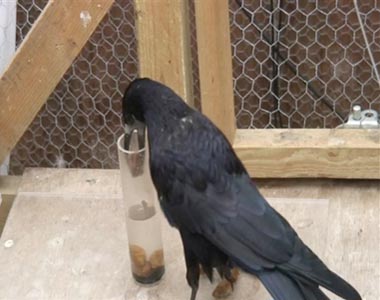 Birds have amazed and fascinated we humans since the earliest paleolithic cave paintings in Lascaux, so relish the stories here about bird art and mythology and one of my favorites – that Aesop’s fable about the thirsty crow turns out to be true! Then, either inside your home with the AC cranked, or at the beach, sit back and read Robert MacFarlane and Jackie Morris’ The Book of Birds. It is a love letter to the thrilling variety and mysteries of birdlife, and a clarion call to halt the rapid depletion of our skies. Birds have amazed and fascinated we humans since the earliest paleolithic cave paintings in Lascaux, so relish the stories here about bird art and mythology and one of my favorites – that Aesop’s fable about the thirsty crow turns out to be true! Then, either inside your home with the AC cranked, or at the beach, sit back and read Robert MacFarlane and Jackie Morris’ The Book of Birds. It is a love letter to the thrilling variety and mysteries of birdlife, and a clarion call to halt the rapid depletion of our skies. | | | | | | 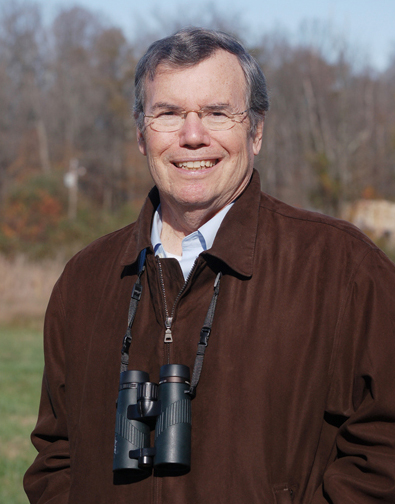 Bob Musil, an avid birder, is the President & CEO of the Rachel Carson Council and author of Rachel Carson and Her Sisters: Extraordinary Women Who Have Shaped America’s Environment (Rutgers, 2016) and Washington in Spring: A Nature Journal for a Changing Capital (Bartleby, 2016). Bob Musil, an avid birder, is the President & CEO of the Rachel Carson Council and author of Rachel Carson and Her Sisters: Extraordinary Women Who Have Shaped America’s Environment (Rutgers, 2016) and Washington in Spring: A Nature Journal for a Changing Capital (Bartleby, 2016). | | | | | | Round, Round, Get Around, Gulls Get Around Seagulls are highly adaptable, intelligent birds. Far from being mere seaside scavengers looking to snag your sandwich, they are brilliant problem-solvers, devoted parents, and crucial indicators of our coastal ecosystem's health. Their complex social structures and opportunistic nature highlight an extraordinary capacity for survival. They possess a high degree of cognitive flexibility. They can remember and recognize objects and individuals. | | | | | | | | Cholao and What Satellite Tracking Reveals About its Incredible Migratory Route Across the Americas Migratory birds raise countless questions that return year after year with their remarkable journeys. In this interview, Jorge Velásquez, Audubon's Science Director for Latin America and the Caribbean, helped answer some of them while tracking Cholao's latest leg from North Dakota to Canada. Cholao, a small Lesser Yellowlegs (Tringa flavipes) is becoming a well-known character among Audubon's social media followers. | | | | | | | | Juvenile Bar-Tailed Godwit “B6” Sets World Record A four-month-old bar-tailed godwit known as B6 set a new world record by completing a non-stop 11-day migration of 8,425 miles from Alaska to Tasmania, Australia. This trip represents the longest documented non-stop flight by any animal! After fatting up on the Kuskokwim Delta, B6 left Alaska on October 13th and arrived in Australia on Oct. 24th. The shorebird was tracked using a 5-gram solar-powered satellite transmitter that was attached to its rump. | | | | | | | | Fate of the Last Female Great Auk is Finally Solved DNA and historical sleuthing have traced the extinct bird’s remains to a museum in Ohio. In the summer of 1844, a small group of Icelanders sailed to a rocky island and strangled a pair of great auks. Large and flightless, the birds stood no chance of escape, and in the struggle, their single egg was accidentally smashed. No one knew it at the time, but the two great auks were very likely the last of their species (Pinguinus impennis). | | | | | | | | Birds Show Aesop’s Fable May Be True From the goose that laid the golden egg to the race between the tortoise and the hare, Aesop's fables are known for teaching moral lessons rather than literally being true. But a new study says at least one such tale might really have happened. It's the fable about a thirsty crow. The bird comes across a pitcher with the water level too low for him to reach. The crow raises the water level by dropping stones into the pitcher. (Moral: Little by little does the trick, or in other retellings, necessity is the mother of invention.) | | | | | | | | Why the Crow is Black and Other Mythology Since humans began telling stories and writing them down, they’ve told stories about crows and other corvids. This should come as no surprise considering corvids are found in nearly every corner of the world and are as connected to us now as they were centennials ago. Whether they are sharing (or thieving) the food we grow, consuming the soft tissues of our dead, or delighting us with their company, corvids have infiltrated the most intimate parts of our lives. | | | | | | | | What’s In a Name? That Which We Call a Bird Power and privilege continue to be synonymous with western ornithology with eponymous bird names, naming birds after the person who discovered them or in honor of someone else. One hundred and fifty bird names are associated with white supremacists, slave owners, and grave robbers. For example, the Clark’s Grebe is named after Captain William Clark who brought an enslaved person on his expedition and denied his freedom in exchange for his service. | | | | | | | | The Raven in Native American Mythology Native American culture is embedded with extensive tales and legends. Every aspect of life, death, and existence has its own story to explain why things are the way they are. Often, different Native American tribes had very similar beliefs, but most tribes have their own unique variations in the details of these legends. The raven is a significant figure in most Native American cultures. It is seen as the creator of light and as a trickster figure. | | | | | | | | How To Prevent Your Bird Bath From Getting Too Hot For Birds Keep things cool for your backyard visitors. Just like us, birds get hot in the summertime, too, and will be seeking ways to cool down. According to the United States Fish & Wildlife Service, taking a dip in water is one of the primary ways birds cool down during hot weather, and you can make it easier for birds to locate it by placing a bird bath in your garden or yard. | | | | | | | | | | A Guide to Lobbying for Bird Conservation Petitioning the Government or elected officials is embedded within the First Amendment of the United States Constitution. Today the act of lawfully seeking to influence a particular issue is known as lobbying. What distinguishes lobbying from advocacy is that you are making an ask (e.g. please vote for this bill) rather than simply educating people on an issue. As birds across the Americas face unprecedented threats, voices around the country must speak up and urge Congress to take action. | | | | | | | | Extinctions, Shrinking Habitat Spur 'Rewilding' in Cities In a bustling metro area of 4.3 million people, Yale University wildlife biologist Nyeema Harris ventures into isolated thickets to study Detroit's most elusive residents — coyotes, foxes, raccoons and skunks among them. Harris and colleagues have placed trail cameras in woodsy sections of 25 city parks for the past five years. They've recorded thousands of images of animals that emerge mostly at night to roam and forage, revealing a wild side many locals might not know exists. | | | | | | | | Conservation “Speed Dating” Helps Farmers and Birds Help Each Other A new model for facilitating habitat restoration on private lands, called conservation speed dating, is creating a buzz and boosting efforts to connect landowners with grant funding. On a spring afternoon, a dozen farmers and other landowners mingle with their neighbors while munching on donuts in a community center in the small town of Middleburg, in the foothills of Virginia’s Blue Ridge Mountains. Inside, giant aerial maps adorn tables and another group of people wearing name tags stands with eager smiles, ready for the event to begin. | | | | | | | | Birds Are Shrinking as Insect Populations Drop The dramatic decline in insect numbers is having a profound effect on some bird populations. As their food becomes scarcer, the birds are decreasing in size. However, climate change cannot be blamed for this particular scenario, and we may be able to do our bit to help. A newly published study has revealed that bird sizes are decreasing in response to declining insect populations. The research was led by scientists at the University of Michigan. Previous work had already spotted that migratory birds passing through Chicago were getting smaller. | | | | | | | | Marine Heat Wave Causes Slew of Bird Deaths Off California. El Niño Could Worsen the Die-off Within minutes of walking on a San Diego beach, marine ornithologist Tammy Russell found feathered carcasses — one after another. Some were mixed in with washed-up kelp. Others were under rocks. Each month, scientists and volunteers conduct surveys of dead seabirds and find what Russell describes as a grim assessment of the impact of a massive marine heat wave that has lingered for months off parts of the California coast. | | | | | | | | Climate Change Means an Earlier Spring, Which Can Be Disorienting and Threatening For Migrating Birds Spring migration has taken flight, but with rising temperatures and shifting seasons, birds are adjusting when and how they migrate to keep up with a rapidly warming climate. Morgan Tingley, a professor of ecology and evolutionary biology at the University of California, Los Angeles, studies the effects of climate change on birds. | | | | | | | | Gallery: High-Definition Bird Quilts Retired biologist Tracy McLellan stitches together her loves of bird photography, travel, and fiber arts into vibrant, hyper-realistic quilts. “It all started because I wanted to find a way to do something with my bird photos other than just letting them sit on my computer,” she says. McLellan has the photos printed onto fabric, then uses sewing techniques like free-motion quilting and thread painting to create lush textures, such as the hairlike feathers on a Rufous-necked Hornbill’s neck. | | | | | | | | Birds in Art Artworks have featured birds for thousands of years, as evidenced in the Lascaux cave paintings made more than 17,000 years ago. There’s no doubt that, as creatures bound to the terrestrial realm, humans have long been inspired by birds, their ability to take flight, and the unique perspective they have on the world around us. Birds often symbolize a certain aspirational quality that sets human beings apart from the rest of the animal kingdom, which is why depictions of divine beings often draw upon the physicality of these winged creatures. | | | | | | | | 20 Famous Bird Paintings & the Artists Who Created Them In Art History Birds are one of the most ancient subjects when it comes to painting. Starting from ancient Egyptian cave paintings in the world’s most prestigious museum, birds have a long history and connection with art. There is an entire subgenre dedicated only to birds in art. The Egyptians believed birds to be one of the symbols of the Gods. Native Americans believe birds to have a channel between heaven and earth. Later, Christians also declared that birds have a link with Christ. Many artists and naturalists use birds from a scientific perspective. | | | | | | | | From Frescoes to Field Guides: A Journey Through the History of Bird Illustration I have, unashamedly, a deep fascination with birds. Some of my appreciation was developed while studying the behavioral ecology of waterbirds in remote areas of Australia and South Africa. I have been fortunate to spend time in some dramatically beautiful places, environments teeming with cormorants, ducks, swans, pelicans, towered over by gangly storks and punctuated by colorful gallinules and jacanas darting here and there after their food | | | | | | | | Cedar Waxwing This strikingly elegant bird lives in orchards, open woodlands and fruit trees often at the edge of the forest, suburban yards or fields. In the winter they are usually found in wooded areas or more open areas where berries are bountiful. Cedar Waxwings will swarm on berry trees and shrubs calling out with faltering thin cries. As sociable birds, you will rarely see a single waxwing. Instead, you will observe interesting social behavior like sharing food. | | | | | | | | Momentary Meditations are published every Monday to awaken what Rachel Carson called “the sense of wonder” and what Albert Schweitzer called “a reverence for life.” Looking deeply into our interdependence with all life on earth helps us know what we must do. In our harried world, these meditations are meant to serve as a renewable resource for compassion and love. Mother Merganser In a small, almost out-of-sight pond, this Mother Hooded Merganser guards her young. The quietness of the scene was magical. | | | | | | | | The Book of Birds A Field Guide to Wonder and Loss 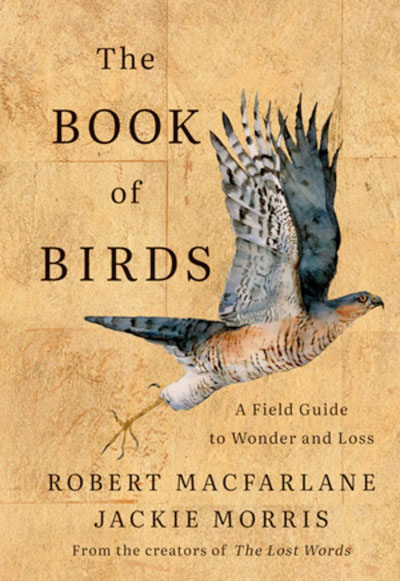 From the best-selling authors of The Lost Words, a dazzling celebration of endangered birds. From the best-selling authors of The Lost Words, a dazzling celebration of endangered birds.
The Book of Birds is a field guide with a difference: It shows readers not just how to identify birds, but also how to identify with them. Robert Macfarlane and Jackie Morris conjure the unique spirit of nearly fifty once-common species: avocet to yellowhammer, kestrel to kingfisher, skylark to nightingale. In lyrical and incantatory essays, Macfarlane describes each bird’s habits and habitats, their patterns of flight and patterns of song, how they hunt or fish or scavenge or gather, how they nest and raise their chicks, the myths that attend them, the threats that shadow them—and how their lives intersect with our own. On every page we encounter Morris’s exhilarating artwork, painted from life in watercolor and gold leaf, and animated with an extraordinary attention to detail. The Book of Birds is a love letter to the thrilling variety and mysteries of birdlife, and a clarion call to halt the rapid depletion of our skies. Click here to purchase | | | | | | | | | | The July 2026 issue of Bird Watch and Wonder was produced by Ross Feldner | | | |  The Rachel Carson Council Depends on Tax-deductible Gifts From Concerned Individuals Like You. Please Help If You can. The Rachel Carson Council Depends on Tax-deductible Gifts From Concerned Individuals Like You. Please Help If You can. | | | |  Sign Up Here to Receive the RCC E-News and Other RCC Newsletters, Information and Alerts. Sign Up Here to Receive the RCC E-News and Other RCC Newsletters, Information and Alerts. | | | | | | RACHEL CARSON COUNCIL
8600 Irvington Avenue
Bethesda, MD 20817
(571) 262-9148
[email protected] | | | | | | | | | | | |