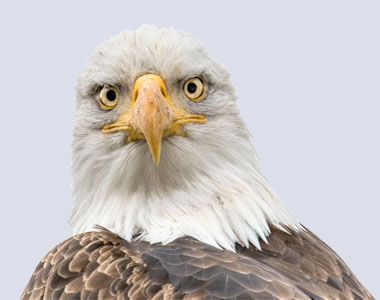
| | | | “One way to open your eyes to unnoticed beauty is to ask yourself,
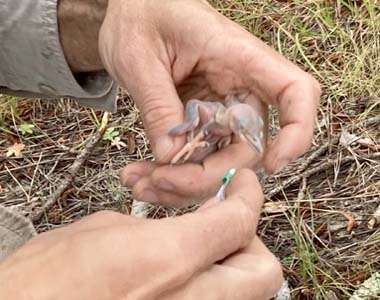
"What if I had never seen this before? What if I knew I would never see it again?” —Rachel Carson, The Sense of Wonder 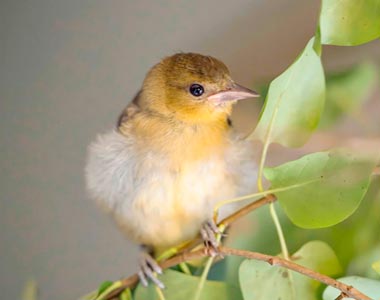 Our June issue of Bird Watch and Wonder opens with the biography of a single bird, the injured fledgling Baltimore Oriole, Sparky, rescued and named by Melissa Groo. It is a touching, heart-breaking story. Sparky is essentially crippled and can never fly and live in Melissa’s barn. She must give him up despite caring for him every moment like a mother. Our June issue of Bird Watch and Wonder opens with the biography of a single bird, the injured fledgling Baltimore Oriole, Sparky, rescued and named by Melissa Groo. It is a touching, heart-breaking story. Sparky is essentially crippled and can never fly and live in Melissa’s barn. She must give him up despite caring for him every moment like a mother.
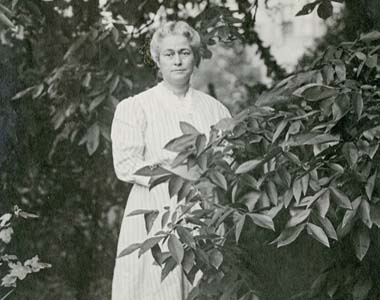
This connection with one beautiful bird is the best way to introduce people to observing and learning about birds according to Florence Merriam Bailey who birthed birdwatching and using binoculars with her popular 1889 book, Birds Through an Opera Glass.
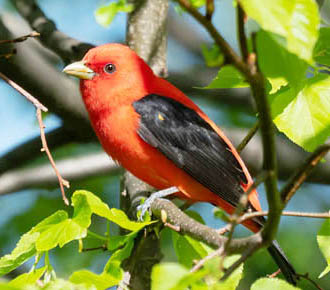 Merriam Bailey was the nation’s first campus environmental organizer at Smith College, published the first field guide to birds, and founded the DC Audubon Society where Rachel Carson later served on the board of directors. Her advice was simple. On a bird walk for beginners, focus on the most colorful bird, like the brilliant red Scarlet Tanager. Ignore your desire to show the group and describe in detail the small, unusual, hard-to-see, migrating warblers you have noticed nearby. Merriam Bailey was the nation’s first campus environmental organizer at Smith College, published the first field guide to birds, and founded the DC Audubon Society where Rachel Carson later served on the board of directors. Her advice was simple. On a bird walk for beginners, focus on the most colorful bird, like the brilliant red Scarlet Tanager. Ignore your desire to show the group and describe in detail the small, unusual, hard-to-see, migrating warblers you have noticed nearby.
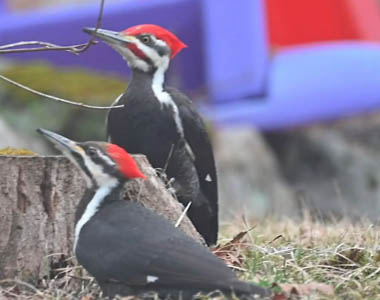
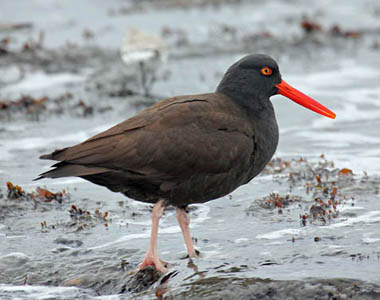 This admiration for the individual bird and its life story is reflected in “The Best of the Bird of the Week,” our most popular feature, where Ross Feldner, RCC’s bird maven, gives you stunning photos of a single bird and all the “fun facts” about its life. In this case we look at the striking Black Oystercatcher and learn that it eats mussels not oysters! This admiration for the individual bird and its life story is reflected in “The Best of the Bird of the Week,” our most popular feature, where Ross Feldner, RCC’s bird maven, gives you stunning photos of a single bird and all the “fun facts” about its life. In this case we look at the striking Black Oystercatcher and learn that it eats mussels not oysters! 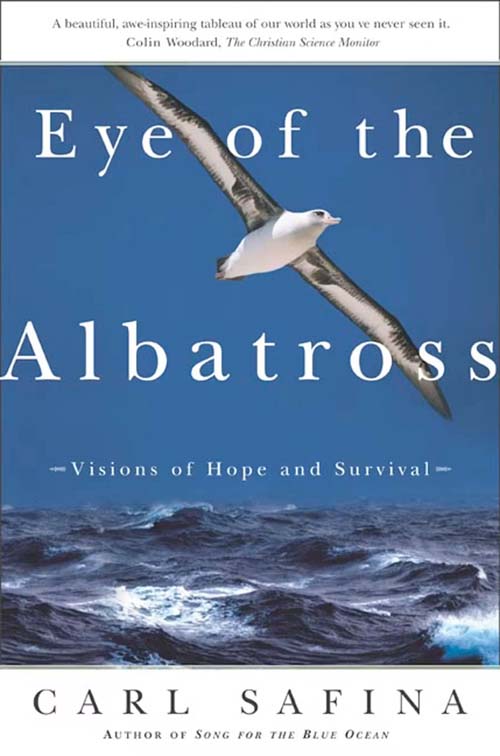 The same approach of watching with wonder a single bird (or a pair) in a short, close-up video gives Stephen Shick’s weekly “Momentary Mediations” its ability to conjure up awe. Join him as he reflects on the lives of a pair of Pileated Woodpeckers who share his home. “Eating and flying, a pileated pair thrives together for life.” The same approach of watching with wonder a single bird (or a pair) in a short, close-up video gives Stephen Shick’s weekly “Momentary Mediations” its ability to conjure up awe. Join him as he reflects on the lives of a pair of Pileated Woodpeckers who share his home. “Eating and flying, a pileated pair thrives together for life.”
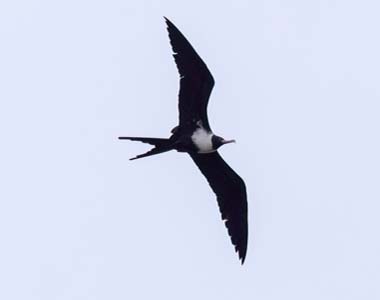
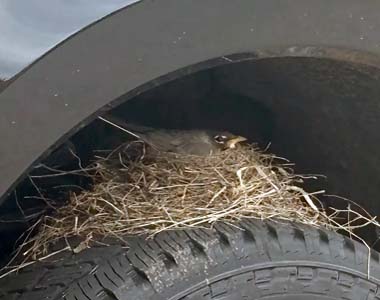
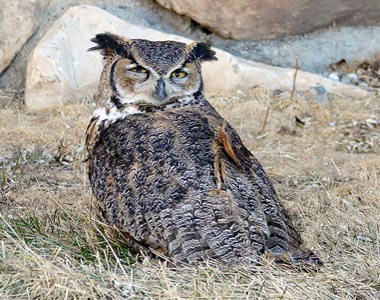
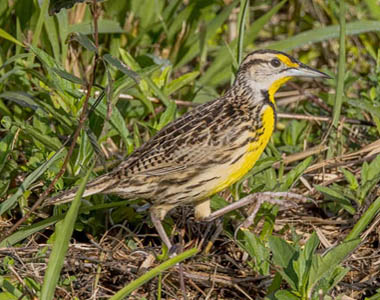
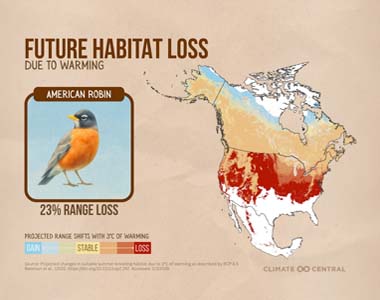
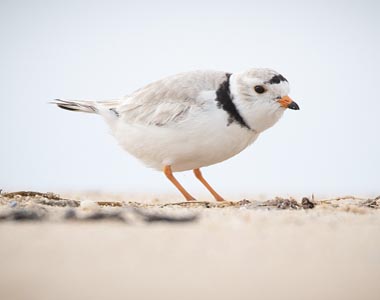
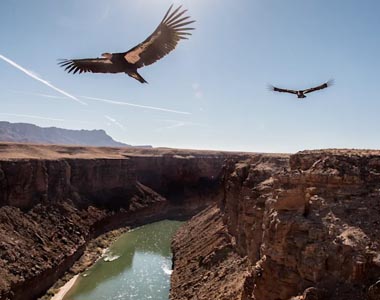
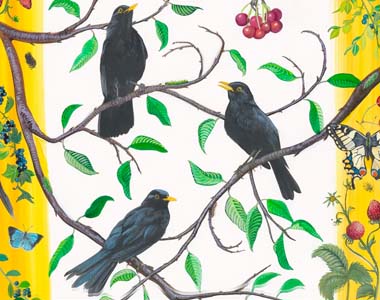
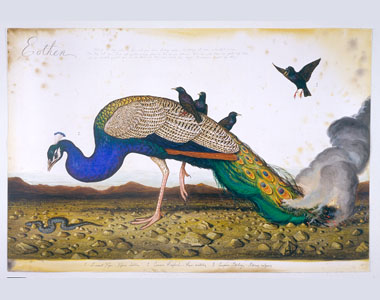
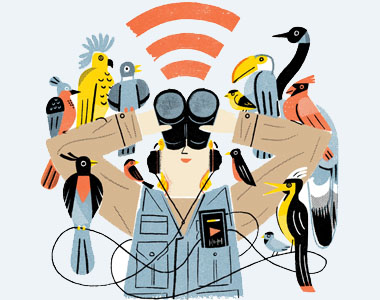
Then, in our “Books” section, we suggest for your summer reading, Carl Safina’s classic, Eye of the Albatross; Visions of Hope and Survival. Safina offers up a biography – a truly perceptive portrait of the life of a single albatross whom he calls Amelia. We fly along with Amelia and see the world from her perspective. This magnificent bird opens up our eyes, our imagination, and our lives. | | | | | | 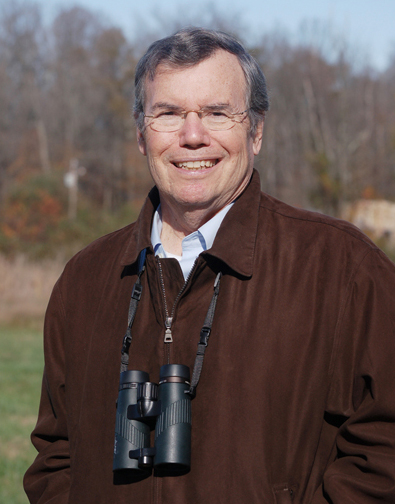 Bob Musil, an avid birder, is the President & CEO of the Rachel Carson Council and author of Rachel Carson and Her Sisters: Extraordinary Women Who Have Shaped America’s Environment (Rutgers, 2016) and Washington in Spring: A Nature Journal for a Changing Capital (Bartleby, 2016). Bob Musil, an avid birder, is the President & CEO of the Rachel Carson Council and author of Rachel Carson and Her Sisters: Extraordinary Women Who Have Shaped America’s Environment (Rutgers, 2016) and Washington in Spring: A Nature Journal for a Changing Capital (Bartleby, 2016). | | | | | | Was A Rare Bird Just Spotted in Ohio For the First Time? A bird rarely seen in North America was apparently spotted in Northeast Ohio of all places recently. A lesser frigatebird was seen flying over Sippo Lake near Canton, according to several bird enthusiasts and photographers. A photographer named Alex Eberts was kind enough to share his photos with ABC 6. You can see them at the top of this page. | | | | | | | | A Ford Truck, Home to Newborn Robins, Is Stuck at a Kansas Car Dealer Employees of a dealership in Olathe, Kan., found the nest, which is protected under federal law, on top of one of the truck’s tires. The contract has been signed and the down payment made. But the buyers of a new Super Duty F-250 pickup truck keep waiting — and waiting and waiting —to drive it off a Ford dealer’s lot in Kansas. Not because of supply-chain issues or custom options that are difficult to find. | | | | | | | | This Early Birding Icon’s Advice on Leading Bird Walks Is Still Fresh—126 Years Later Birding as we know it changed forever, or perhaps began, in 1889 with the publication of Florence Merriam Bailey’s Birds Through an Opera-Glass, considered the first field guide to North American birds. Convinced that a connection to nature could lead to public support for conservation, in 1900 Merriam Bailey published an essay in Bird-Lore (Audubon’s predecessor) about how to inspire curious amateurs to pick up binoculars and head outside. | | | | | | | | How Humans Are Bringing An Endangered Bird Back from the Brink of Extinction 150 years before the American Revolution, settlers arriving on our shores found an amazing site— 90 million acres of pine forest, stretching from southeastern Virginia to Florida and Texas. Those trees would become an engine for the British navy, supplying pitch to seal boat hulls; and tar to grease wagon axles. Scientist Brian Eerden with the Nature Conservancy says farmers cut down more trees to grow crops, and another animal kept longleaf pines from coming back. | | | | | | | | How to Keep Squirrels Out of Your Bird Feeder Before you spend money on a squirrel-proof feeder, experts say one simple placement rule can make all the difference. You cleaned and filled your bird feeder hoping to attract colorful visitors like cardinals, chickadees, robins, and finches. Then, seemingly out of nowhere, a squirrel shows up and empties half the seed before the birds even get a chance. | | | | | | | | How Indigenous-led Efforts in Oklahoma Fill Eagle Conservation Gaps, Bring Tribes Together Fifty-five eagles have been released from the Iowa Tribe of Oklahoma’s Grey Snow Eagle House over the last two decades. Their Indigenous-led conservation efforts are part of a larger bald eagle success story. Social bald eagles nose-dive across the large enclosure at the Grey Snow Eagle House, while others perched up high watch. | | | | | | | | How Did Birds Survive While Dinosaurs Went Extinct? In fact, birds and dinosaurs lived together for about 100 million years. Birds descended from a particular group of dinosaurs called the dromaeosaurs, or “running lizards,” which were a family of feathered theropod or “beast foot” dinosaurs that included velociraptor, But when an asteroid struck Earth 66 million years ago off the coast of what is now Mexico, dinosaurs went extinct – but some birds remained. You might wonder why. | | | | | | | | Owls in Native American Cultures We humans love owls. Why not? With their flat faces and forward facing eyes they look more like us than any other bird. It is only the owls at our program that prompt people to go “awwwww.” But do all people love owls? One day I was holding Teasdale, our Great Horned Owl, when a man walked past holding his hand up to the side of his face. He was shielding his eyes from viewing Teasdale. A visitor I was talking to at the time told me that some Native Americans feared seeing owls as they were considered bad omens. | | | | | | | | One Bird’s Biography One early May, I watched a pair of Baltimore Orioles courting in my backyard. Before long, the female was weaving an intricate nest in the sugar maple outside my bedroom window. Three weeks later, the begging calls of chicks emanated from within. As a self-professed “wildlife biographer,” I sought to photograph every stage of their story. I learned each oriole’s unique traits. | | | | | | | | | | Grassland Birds: A Diminishing Chorus Over increasingly large areas of the United States, spring now comes unheralded by the return of the birds, and the early mornings are strangely silent where once they were filled with the beauty of bird song. – Rachel Carson, Silent Spring A poignant, real-time reminder of Rachel Carson’s sober warnings in her ground-breaking book Silent Spring are "Tipping Point" grassland birds and their beautiful songs which are disappearing at an appalling rate! | | | | | | | | How Climate Change Puts Birds at Risk As spring progresses, billions of birds are set to take flight on migratory journeys in search of their summer breeding grounds. Of the more than 650 species of North American breeding birds, more than half migrate each year. The vast majority take flight at night, and some fly hundreds or even thousands of miles nonstop. | | | | | | | | More Than a Change In the Weather Every threat birds face is playing out against the backdrop of climate change. Rising temperatures are forcing some birds to shift their ranges poleward or upslope, and migratory birds are changing the timing of their journeys to their breeding grounds. As water levels rise, habitats experience flooding. Weather patterns are shifting, leading to prolonged droughts and increasingly severe storms. Climate change exacerbates other threats like habitat loss and degradation, along with the spread of invasive species and diseases. | | | | | | | | California’s Endangered Condors Have a Surprising New Foe When it comes to conserving the California condor, progress is precarious. One wild pair recently laid the first egg in northern California for the first time in a century, and there are now more than 400 condors in the wild, up from 26 in 1987. It sounds like the start of a comeback story. But as a new study in Nature Communications highlights, condors are still threatened by a stubborn, surprising enemy: lead poisoning. The birds are not ingesting lead directly, but they feed on animals that were shot by hunters and left on the landscape. | | | | | | | | Shakespeare Referenced Dozens of Bird Species in His Work. This Artist Has Made It Her Mission to Paint Them All Missy Dunaway’s idea to paint all of Shakespeare’s birds first took flight in college after a chat with a friend. During the conversation, while trying to quantify the playwright’s talent, Dunaway noted that he’d coined or popularized many common phrases, and then she cited his broad knowledge of nature. “I said, ‘Just look at how many birds he mentions,’” Dunaway recalls. “And that’s just birds.” | | | | | | | | The Singing and the Silence: Birds in Contemporary Art Birds have long been a source of mystery and awe. Today, a growing desire to meaningfully connect with the natural world has fostered a resurgence of popular interest in the winged creatures that surround us daily. The Singing and the Silence: Birds in Contemporary Art examines mankind’s relationship to birds and the natural world through the eyes of twelve major contemporary American artists. | | | | | | | | 7 Podcasts About the Joys of Bird-Watching These shows offer expert advice and fun facts that will help both novices and enthusiasts get the most out of tuning into the winged world. Once thought of as a quirky pursuit for retirees, bird-watching has exploded in popularity in recent years. Surveys show that nearly 1 in 3 Americans now partake, with a notable spike among younger generations thanks in part to tech innovations like the Merlin Bird ID app, which takes the guesswork out of birdsong identification. | | | | | | | | Black Oystercatcher So here we have another bird naming conundrum. Despite its name, the Black Oystercatcher rarely eats oysters! It might better be named the mussel catcher. Mussels and limpets are their primary food. They locate open mussels and disable them with a quick jab to the adductor muscle. With the mussel stuck in the open position, the oystercatcher can pull out the contents with the tip of its chisel-like bill. Oystercatchers often forage in the wave zone, because mussels that are splashed by waves open more frequently. | | | | | | | | Momentary Meditations are published every Monday to awaken what Rachel Carson called “the sense of wonder” and what Albert Schweitzer called “a reverence for life.” Looking deeply into our interdependence with all life on earth helps us know what we must do. In our harried world, these meditations are meant to serve as a renewable resource for compassion and love. A Pileated Pair Thrives - A pair of pileated woodpeckers has called our neighboring woods their year-round home for many years. Even when we can’t see them, we enjoy the drumming they do to mark their territory. This morning, they visited an old tree stump just outside our window. | | | | | | | | Birdist Rule #50: Learn to Live with Bird Errors in TV and Movies Don't let the frustration drive you insane. Once you start learning to identify birds, and especially once you start learning calls, you’ll realize that your entertainment choices are littered with avian errors. I've talked a bit about this problem before when I assessed the accuracy of the bird cameos in last year's Oscar contenders, but I feel like this is a topic that deserves its very own column. | | | | | | | | Eye of the Albatross
Visions of Hope and Survival
By Carl Safina Winner of the John Burroughs Medal for Natural History Writing Winner of the National Academies' Communications Award "One of the most delightful natural history studies in decades." —The Boston Globe The MacArthur Genius and bestselling author shares a must-read guide to delicate and wonderous marine ecosystems, with immersive and insightful prose.
Eye of the Albatross takes us soaring to locales where whales, sea turtles, penguins, and shearwaters flourish in their own quotidian rhythms. Carl Safina's guide and inspiration is an albatross he calls Amelia, whose life and far-flung flights he describes in fascinating detail. Interwoven with recollections of whalers and famous explorers, Eye of the Albatross probes the unmistakable environmental impact of the encounters between man and marine life. Safina's perceptive and authoritative portrait results in a transforming ride to the ends of the Earth for the reader, as well as an eye-opening look at the health of our oceans.
“Safina delivers a message full of wonder at the natural world and concern about the fragility of his subject . . . He cannot contain his delight in birds, fish, and the profusion of life on the islands he visits.” —The New York Times Book Review Click to read more and purchase | | | | | | | | | | The June 2026 issue of Bird Watch and Wonder was produced by Ross Feldner | | | |  The Rachel Carson Council Depends on Tax-deductible Gifts From Concerned Individuals Like You. Please Help If You can. The Rachel Carson Council Depends on Tax-deductible Gifts From Concerned Individuals Like You. Please Help If You can. | | | |  Sign Up Here to Receive the RCC E-News and Other RCC Newsletters, Information and Alerts. Sign Up Here to Receive the RCC E-News and Other RCC Newsletters, Information and Alerts. | | | | | | RACHEL CARSON COUNCIL
8600 Irvington Avenue
Bethesda, MD 20817
(571) 262-9148
[email protected] | | | | | | | | | | | |