 | "To many of us, this sudden silencing of the song of birds,
this obliteration of the color and beauty and interest of bird life,
is sufficient cause for sharp regret." – Rachel Carson | | | | | | | | 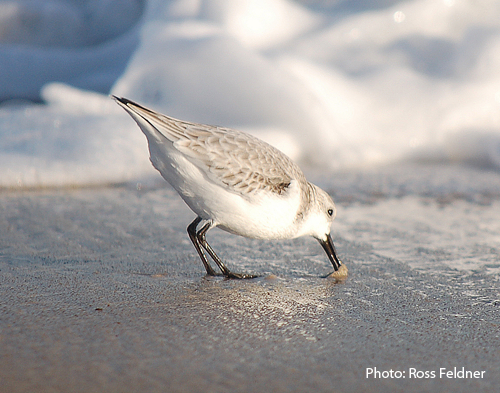 Memorial Day marks the traditional start of the summer season. That means trips to the beach. I grew up on Long Island and loved watching sanderlings – those little sandpipers that dash beside and in and out of the surf like wind-up toys. And I was fascinated by the obviously intelligent Herring Gulls that dropped clams onto parking lots to crack them open and who nested near me right on the sand. Memorial Day marks the traditional start of the summer season. That means trips to the beach. I grew up on Long Island and loved watching sanderlings – those little sandpipers that dash beside and in and out of the surf like wind-up toys. And I was fascinated by the obviously intelligent Herring Gulls that dropped clams onto parking lots to crack them open and who nested near me right on the sand.
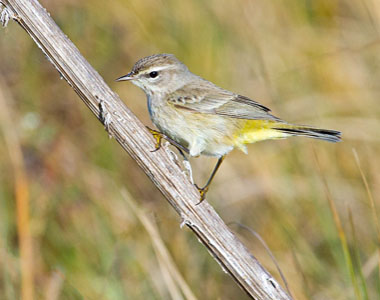
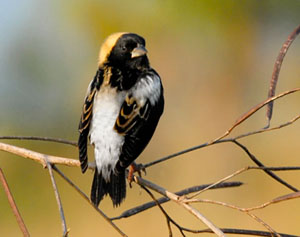
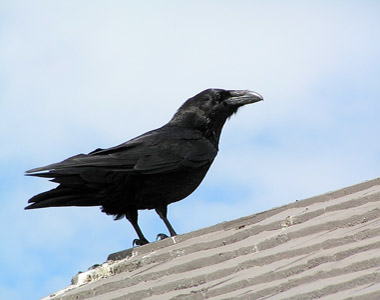
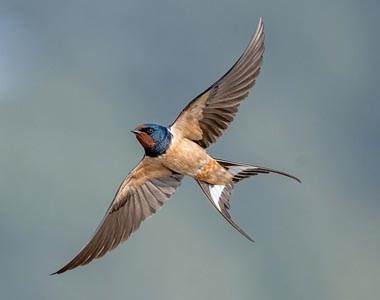
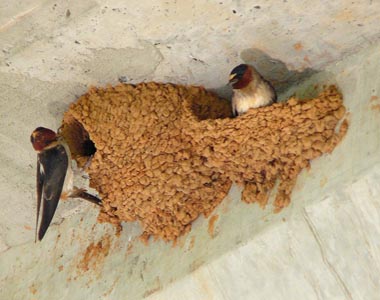
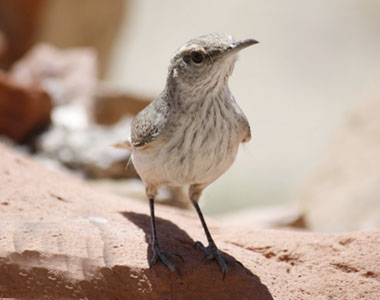
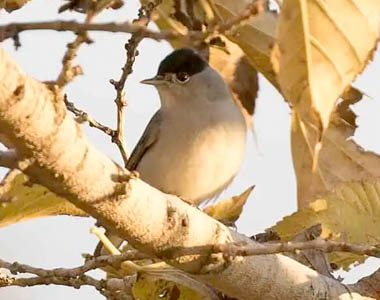
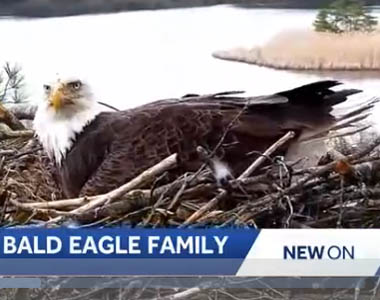
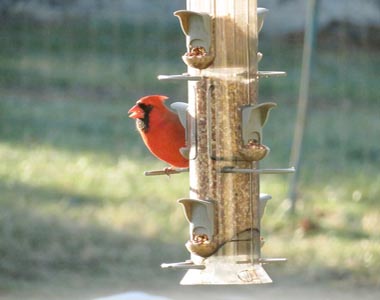
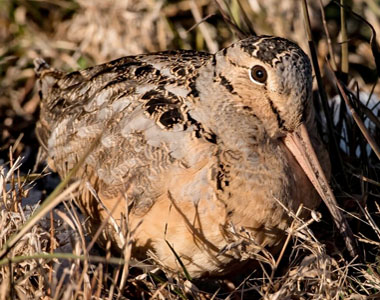
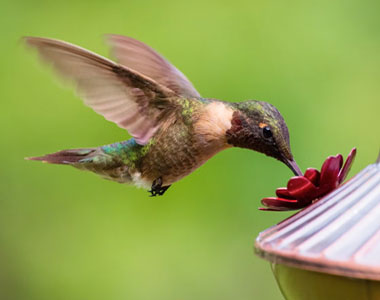
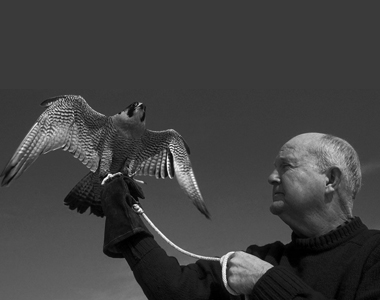
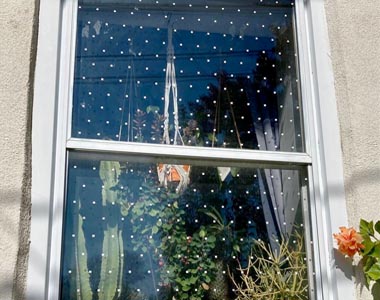
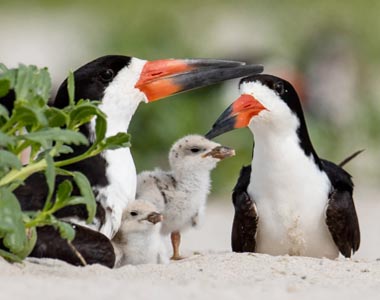
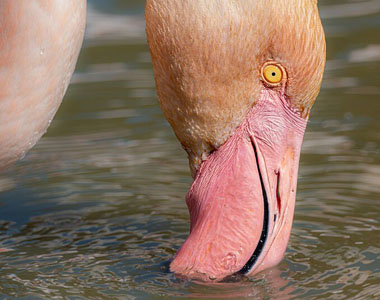
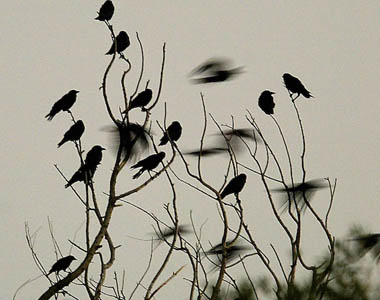
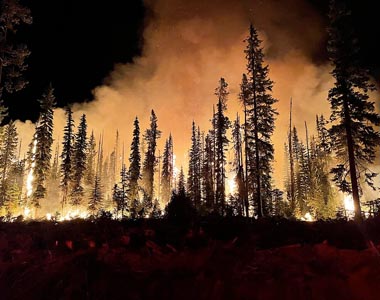
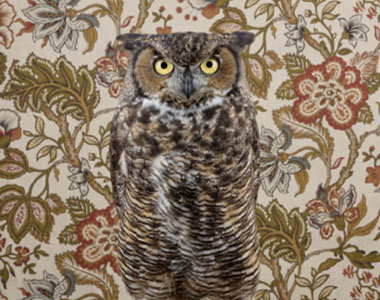
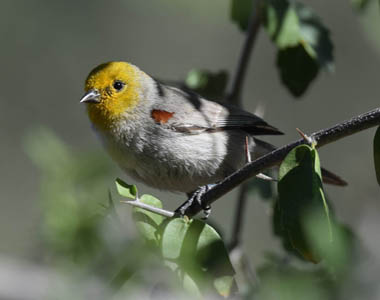
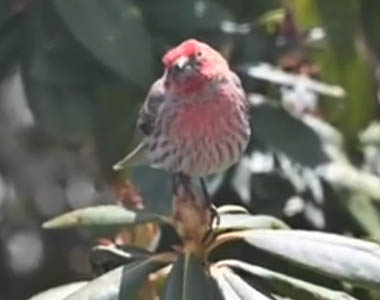
But only later did I become aware of the dangers to birds along the beach that we humans pose. That’s why we start our summer issue of RCC’s Bird Watch and Wonder with tips on how to enjoy the beach and the birds that breed there while making sure that we don’t contribute to the well-known decline of the American avian population. I saw my first Peregrine Falcon along the New Jersey shore so I am keenly aware of the human-induced dangers to birds, but also deeply appreciative of those who helped to save peregrines and other species from near extinction. Rachel Carson, of course, is the best known, but her work had to be painstakingly carried out after her death by less heralded heroes like Mitchell Byrd. Byrd brought the Bald Eagle back to the Chesapeake Bay, as well as Peregrine Falcons which may have included the first one ever to fly by me. His story, told in our “Action and Advocacy” section should inspire all of us. Then, in our “Bird Findings” section, you will see that these days, the deep desire to protect birds uses incredible scientific tools like AI to predict the complex paths of bird migrations and automatically dim urban lights where they will pass. We are able to watch the eagles that Carson and Byrd and others saved through live bird cams. We can even study and track how the amazing vision of birds is linked to their ability to detect magnetic fields to help guide their migration. 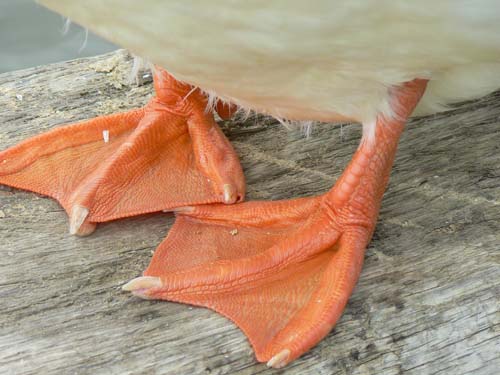 But in our “Bird Lore” section, you will see that birds have fascinated we humans long before the age of science. Paintings of migrating birds, for instance, are found even in our ancestor’s earliest cave art. And without science, of course, unexplainable bird appearances have given rise to a host of bird superstitions such as the association since Roman times of a hooting owl with impending doom. People may still be making up fantastic stories and explanations for questions like “Why do ducks have webbed feet?” But Ross Feldner, RCC’s endlessly inquisitive bird maven has some serious answers to such musings in his “Amazing Bird Adaptations.” It quickly recounts (with photos, too!) how birds have adapted (evolved) to varying environments so that some have webbed or lobed feet. And some, like those eagles that were saved, have developed terrifying talons. But in our “Bird Lore” section, you will see that birds have fascinated we humans long before the age of science. Paintings of migrating birds, for instance, are found even in our ancestor’s earliest cave art. And without science, of course, unexplainable bird appearances have given rise to a host of bird superstitions such as the association since Roman times of a hooting owl with impending doom. People may still be making up fantastic stories and explanations for questions like “Why do ducks have webbed feet?” But Ross Feldner, RCC’s endlessly inquisitive bird maven has some serious answers to such musings in his “Amazing Bird Adaptations.” It quickly recounts (with photos, too!) how birds have adapted (evolved) to varying environments so that some have webbed or lobed feet. And some, like those eagles that were saved, have developed terrifying talons. Also this month, as you unfold a beach chair far from any nesting birds, we have a great recommendation for your reading from one of the master’s of bird appreciation, Scott Weidensaul. His latest, The Return of the Oystercatcher: Saving Birds to Save the Planet offers hope that we humans are now beginning to restore shores and landscapes and ecosystems of all kinds so that some bird populations are actually beginning to grow. And we can take heart that Weidensaul’s book is based on science, not superstition. | | | | | | 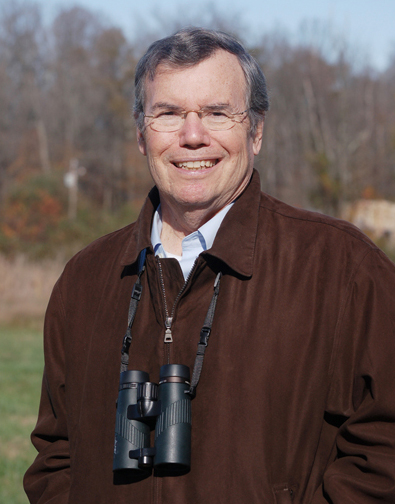 Bob Musil, an avid birder, is the President & CEO of the Rachel Carson Council and author of Rachel Carson and Her Sisters: Extraordinary Women Who Have Shaped America’s Environment (Rutgers, 2016) and Washington in Spring: A Nature Journal for a Changing Capital (Bartleby, 2016). Bob Musil, an avid birder, is the President & CEO of the Rachel Carson Council and author of Rachel Carson and Her Sisters: Extraordinary Women Who Have Shaped America’s Environment (Rutgers, 2016) and Washington in Spring: A Nature Journal for a Changing Capital (Bartleby, 2016). | | | | | | Birds Aren’t Just Declining. They’re Declining Faster, a New Study Finds. Scientists studying data collected over more than three decades found accelerating losses. Their research offers clues about the causes. Birds in the United States are not only declining, but they are declining faster, especially in areas with intensive agriculture, according to new research. Overall drops in bird population, measured from 1987 to 2021, were sharpest in warm and warming areas, suggesting that climate change may play a role. | | | | | | | | Outdoors Column: Sadly, Another ‘silent spring’ May Be Upon Us On May 9, the date of this year’s spring bird count, it was warm and partly sunny in the morning, a perfect time for birds to sing. But it was quiet, except for the songs of a few year-round birds like cardinals. Peering through binoculars into the tall oak trees, I could see movements of small migratory songbirds. They were searching for food, not singing. I’ve noticed this phenomenon for several years now. | | | | | | | | A Songbird for a Damaged World Named for palms, destined for bogs, a migrating warbler meets me at the shopping center. One day during the 18th century, on the Caribbean island of Hispaniola, a songbird with the quirky habit of wagging its tail was killed, probably by fine-grain birdshot, and collected in the name of science. Shipped to Europe, the specimen eventually reached Germany, where the naturalist Johann Friedrich Gmelin, in 1789, gave the species a misleading scientific name: Motacilla palmarum, which means a tail-wagging bird living among palms. | | | | | | | | Grassland Rock Stars "Most things about these birds are unusual—and excellent cocktail party trivia" EVERY SPRING, I SCAN the meadow at my local urban birding patch for the fleeting glimpse of a bobolink zipping over grasses like a helicopter while singing its signature buzzy, rapid-fire song reminiscent of R2-D2. Seeing these confident avian rock stars sporting platinum blond hairdos atop black-and-white evening-wear plumage is always a cause for celebration, even on their breeding grounds in southern Ontario. | | | | | | | | Bird Superstitions For as long as people have put ink to paper (or etchings to rock), they’ve utilized birds in their storytelling. Corvids in particular. This family of birds is comprised of more than 120 species that includes crows, magpies, and ravens. Sometimes villainous, sometimes kind, and often showcasing anthropomorphic qualities, corvids through thousands of years of popular culture have one thing in common—an air of mystery. Why are we so fascinated with these birds? And why do we assign them so much power? | | | | | | | | Migration Marvels Millennia in the Making Bird migration is a marvel that has captivated the human imagination for millennia. Some of the earliest cave art tells the story of the comings and goings of birds through the seasons. Waves of migratory herons, ibises, and quail are depicted as symbols of renewal in ancient Egyptian art. Birds took on deep meaning in folklore, myth, and religion across cultures. Among many Indigenous peoples, the arrival of waterfowl on the heels of the bitter cold months represents the first signs that the scarcity of winter is ending. In ancient Greece, the arrival of Barn Swallows was a sign for farmers to begin planting. | | | | | | | | The Many Myths of Swallows Every year on March 19th, at the San Juan Capistrano Mission in California, the swallows come home. Like clockwork, the returning migrators fill the skies and the hearts of onlookers with the promise of spring. It’s a huge tourist spot. The birds are so entwined in the Mission’s history that fork-tailed barn-swallows decorate their stained-glass windows. Except… every piece of that paragraph is a little bit off. | | | | | | | | Research Roundup: Songs of Spring Lauryn Benedict, Ph.D., talks tunes and tweets, sharing the lessons that can be learned from bird songs. Of all the sights, smells and sounds that signal the return of spring, few are as resonant or resounding as bird songs. From the crooning of cardinals to the chattering of chickadees and the myriad melodies of robins, wrens, bluejays and more, stepping outside and hearing the sounds of an avian orchestra is a warm and welcome herald of a new season and life and growth. | | | | | | | | Quantum Reactions in Birds’ Eyes May Help Them Sense Earth’s Magnetic Field Every year, the Eurasian blackcap sets off on a journey that can stretch up to 6,000 kilometers. This songbird flies through the night, crossing vast distances in darkness with stunning accuracy. Part of that skill may come from a sense we don’t have. Blackcaps, like many migratory birds, can detect Earth’s magnetic field. Evidence suggests they rely on a biological compass that may be tied to vision, letting them orient by the angle of magnetic field lines. | | | | | | | | Vermont Wild Bald Eagle Live Camera Named #1 on The Good List by The New York Times A recent live feed of two eagles nesting in Vermont has been voted the #1 way to add delight to your day, according to the New York Times. The Vermont Institute of Natural Sciences, or VINS, posted about the accolade on their social media channels on Tuesday. VINS has had a live feed available of two of their eagles, Windsor & Dewey, for several weeks, with the pair recently hatching an eaglet last week. | | | | | | | | | | Your Backyard is the Best Seat in the House: Science Says Watching Birds is Good for Mental Health No excursions. No lugging heavy equipment. No prior experience required. This Mental Health Awareness Month, Global Harvest Foods is making the case that one of the simplest wellness habits in America is already waiting in your backyard — and all it takes to start is a wild bird feeder and quality bird seed. | | | | | | | | The American Woodcock Takes Center Stage Do you recognize this sound? That mysterious noise is the American Woodcock! Each spring, the American Woodcock turns quiet clearings into natural stages. With nasal peent calls and skyward spirals, this plump, ground-dwelling bird puts on one of the season’s most memorable displays. Look for open areas like forest clearings, shrubby fields, or meadows with sparse ground cover to spot this courtship display. The setting is best at dusk or dawn, when low light sets the scene. | | | | | | | | Where You Put Your Hummingbird Feeder Can Keep Birds Away—Here’s the Right Spot If your hummingbird feeder isn’t getting much attention, the issue usually isn’t the nectar; it’s where you put it. Hanging your hummingbird feeder in the wrong spot can keep birds away or, in the worst-case scenario, do them harm. Hummingbirds rely on sight to find food, prefer safe, sheltered areas, and are surprisingly particular about spacing. A feeder that’s too exposed, too hidden, or the wrong distance from a window can make your yard far less inviting than you think. | | | | | | | | Photometrics AI Integrates Data from Bird Migration Forecasts to Automatically Dim Streetlights to Protect Birds Bright lights lead to the deaths of countless migrating birds each fall and spring, when millions stream across the night sky. Photometrics AI, a street-lighting optimization company, now includes bird migration forecasts as part of its lighting management platform. Cities using the platform will have access to an automated feature that dims lights when data from the Cornell Lab of Ornithology’s BirdCast migration monitoring platform signals big migration nights with high risks for window collisions. | | | | | | | | Mitchell Byrd, Ornithologist Who Helped Bring Bald Eagles Back From the Brink in the Chesapeake Area In the long arc of conservation, recovery is often slow enough to be mistaken for stasis. Populations dwindle, habitats shrink, and the work of reversal depends less on moments of triumph than on decades of patient observation, persuasion, and persistence. Progress is recorded not in headlines but in ledgers: nests counted, territories mapped, landowners convinced, protections negotiated. | | | | | | | | Window Stickers to Prevent Birds Strikes Only Work if Used One Way Window decals intended to reduce incidents of bird window strikes—one of the largest human-made causes of bird mortality— are only effective if decals are placed on the outside of the window, a new study shows. Researchers found that the patterns on the films and decals placed on the internal surface of windows do not reduce collision because they may not be sufficiently visible to birds. | | | | | | | | Headed to the Beach? Follow These Tips for a Bird-Friendly Visit Memorial Day in the U.S. marks the unofficial end of spring bird migration and beginning of summer. Millions of people and birds alike will be sharing the beach this weekend, and American Bird Conservancy (ABC) is urging beachgoers to be mindful of shorebirds that have already begun to nest and raise their young along the shore. Long before people were using beaches for various forms of recreation, beaches were productive nesting areas for Wilson’s Plover, Snowy Plover, Least Terns, and Black Skimmers, along with many other birds. | | | | | | | | Amazing Bird Adaptations to Their Environment We can always learn a lot from our feathered friends. Most scientists agree that Archaeopteryx lithographica, the earliest bird, emerged about 150 million years ago. Since then, natural selection has shaped a number of modifications that have made birds the incredibly varied group they are today. These adaptations enable birds to flourish in all habitats around the globe. In particular, three physical traits—beaks (bills), feet, and plumage (feathers)—demonstrate special environmental adaptations. | | | | | | | | North American Birds Are Dying Off Faster. It Signals a Human Crisis, Too. With every passing year, the springtime chorus grows quieter. There are fewer song sparrows cheeping amid the shrubs and grasses. Decades of observations collected from all corners of the continent show that many of North America’s birds are in a state of accelerating decline, according to a new study in the journal Science. Their vanishing songs are a bellwether of a far deeper biodiversity crisis, researchers say — one that threatens not only beloved species but also the humans who live alongside them. | | | | | | | | Study Finds a Surprising Link Between Birds and Wildfires Fire often feels like a symbol of destruction – sweeping through forests, consuming homes, and filling the air with smoke. But not all wildfires bring ruin, and not all animals are displaced by them, including birds In the Sierra Nevada mountains of California, a group of scientists found that many birds actually benefit from certain kinds of wildfires. Not just right after the smoke clears, but for decades | | | | | | | | How ‘Seabird Sue’ Blends Art and Science to Attract Birds Back to Lost Habitat For the past decade, Sue Schubel has been making detailed decoys of terns, puffins and other seabirds to entice real ones to restored or new homes. Some of the decoys are more intricate than others. To make a convincing brown noddy, you need to carefully blend the transitions between the bird’s dark body and its light throat. Terns, though, can pick up on symbolism: To replicate one, you need only to stick a smaller gray block atop a larger gray block and draw a red slash for a beak. | | | | | | | | Wings Against the Wall I was drawn to animals from a young age, their presence sparking a deep curiosity and fondness that have carried into my art. Photography became a lens through which I could be around the creatures that fascinated me. My photo series “Birds of a Feather” began as a desire to capture the beauty and wonder I experienced when observing some colorful, chatty parrots. I was eager to photograph them but didn’t have a clear approach in mind. While researching wallpaper for an unrelated assignment, I was struck by designs featuring birds. Why not set my avian portraits against wallpaper backdrops? | | | | | | | | Our Favorite Bird Artists From Ancient Egyptian cave markings to paintings in the world’s most prestigious museums, bird art has a long, storied history. Artists have depicted birds in sketches, illustrations, and paintings for over 40,000 years. Early bird renderings had more to do with spirituality than ornithology. The Egyptians believed birds to be winged symbols of their gods. Later, Christians would link certain birds to the Christ, including them in their art as a nod to this symbolism. Native Americans believed birds to be a conduit between heaven and earth, using birds in many of their ancient, as well as modern, illustrations. | | | | | | | | Verdin The Verdin is one of the smallest passerines (perching birds) in North America. Loud for its size, Verdins have a variety of calls including a “tschep” sound repeated in rapid staccato often while foraging. It also has a “gee-gee-gee-gee” alarm call. Verdins make their nests in shrubs and thorny thickets. The nest is a spherical mass of twigs and branches that is then lined with grass, feathers, and hair. In addition to breeding nests, Verdins build individual roosting nests whose insulation allows them to survive cold winter nights in the desert. | | | | | | | | Momentary Meditations are published every Monday to awaken what Rachel Carson called “the sense of wonder” and what Albert Schweitzer called “a reverence for life.” Looking deeply into our interdependence with all life on earth helps us know what we must do. In our harried world, these meditations are meant to serve as a renewable resource for compassion and love. A Pleasant Finch - I have a hard time describing this gregarious and pleasantly smiling tiny bird with the words Common House Finch. Perhaps those who coined the name were not thinking of this tiny bird, but rather the houses near where they often flock. Sometimes names get in the way of seeing beauty. | | | | | | | | Bird Festival Planner Some of the best festivals take place at or near national wildlife refuges. For a wonderful nature show, it’s hard to beat a bird festival. Some of the best bird fests occur at or near national wildlife refuges. That’s not surprising, given that these public lands are such birdy places. National wildlife refuges, managed by the U.S. Fish and Wildlife Service, also have resident bird experts and dedicated wildlife viewing areas. Events fill up fast, so consider registering ahead if you go. Some festivals charge a registration or activity fee. | | | | | | | | The Return of the Oystercatcher Saving Birds to Save the Planet From the New York Times best-selling author of A World on the Wing, the uplifting story of bird recovery, reintroduction, and habitat reclamation. 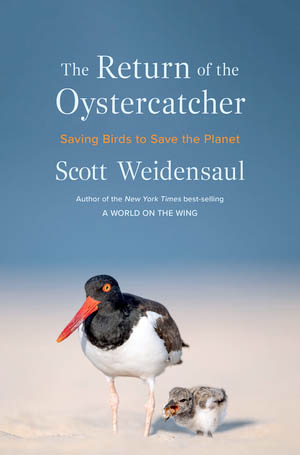 As populations fall and once-great migration multitudes wither away, the future of birds may seem grim. But surprisingly, from gnatcatchers and waterfowl to select groups of forest songbirds, some bird populations are soaring. Habitats and species that once neared extinction are now multiplying around the world because bird conservation is making things better. As populations fall and once-great migration multitudes wither away, the future of birds may seem grim. But surprisingly, from gnatcatchers and waterfowl to select groups of forest songbirds, some bird populations are soaring. Habitats and species that once neared extinction are now multiplying around the world because bird conservation is making things better.
The Return of the Oystercatcher explores the recovery efforts that are not only preventing declines in bird population, but helping birds to thrive. From the spectacular recovery of North American raptors, whose numbers have tripled in the last fifty years, to the mind-bending resurgence of the Canada goose in Maine—which increased its population by 146,000 percent during the same period—Scott Weidensaul shares amazing stories of hope and progress in the face of seemingly insurmountable odds. Weidensaul also depicts the initiatives at the heart of this recovery, from the hyperlocal to the hemispherically immense: wetlands restoration, raptor protection, and bans on harmful pesticides, as well as the US Farm Bill and the preservation of sovereign lands by Indigenous communities. The result is a roadmap of breathtaking environmental resilience in some of the most unlikely places, including a tiny island in the middle of the Pacific, the vast boreal forest that stretches across Canada, a hereditary estate in England, and a watery wilderness at the edge of a Ukrainian war zone. Because birds are so diverse, so ubiquitous, and cover virtually every square mile of the Earth’s surface, the fight to save the birds is also one to save the world. The Return of the Oystercatcher is an inspiring story of what’s working in bird conservation—and what can work for the rest of the planet. Click here to purchase | | | | | | | | | | The May 2026 issue of Bird Watch and Wonder was produced by Ross Feldner | | | |  The Rachel Carson Council Depends on Tax-deductible Gifts From Concerned Individuals Like You. Please Help If You can. The Rachel Carson Council Depends on Tax-deductible Gifts From Concerned Individuals Like You. Please Help If You can. | | | |  Sign Up Here to Receive the RCC E-News and Other RCC Newsletters, Information and Alerts. Sign Up Here to Receive the RCC E-News and Other RCC Newsletters, Information and Alerts. | | | | | | RACHEL CARSON COUNCIL
8600 Irvington Avenue
Bethesda, MD 20817
(571) 262-9148
[email protected] | | | | | | | | | | | |