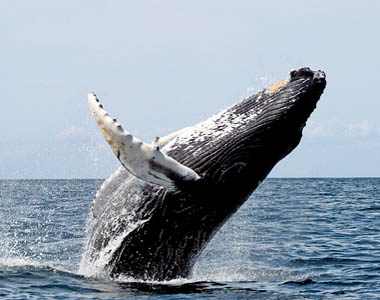
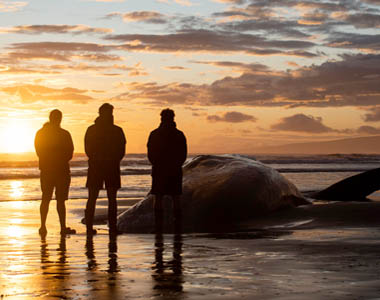
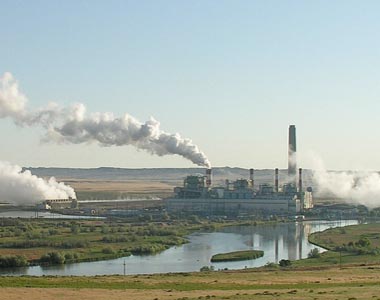
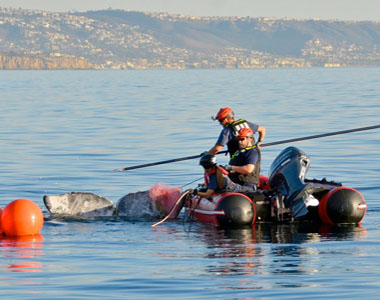
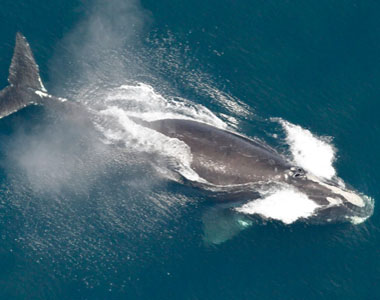
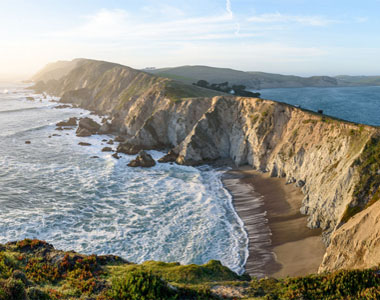
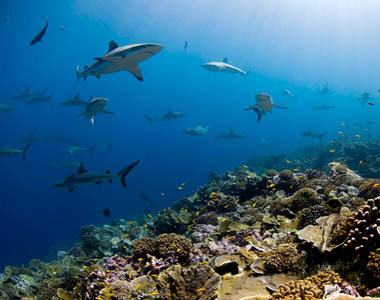
 | | | Although man's record as a steward of the natural resources of the earth has been a discouraging one, there has long been a certain comfort in the belief that the sea, at least, was inviolate, beyond man's ability to change and to despoil. But this belief, unfortunately, has proved to be naive. — Rachel Carson | | | | Spring is beginning to peek into our lives as the sun sets later and later. As it does, the RCC has been hard at work fighting for the legacy of Rachel Carson and protecting the coasts she wrote about from horrible policy and environmental degradation. Carson’s ocean legacy is continued and carried out to this day by our 2025-2026 cohort of RCC National Environmental Leadership Fellows (NELFs). In this February issue of the RCC Coasts and Ocean Observer, be sure to check out two articles by RCC Fellows that are designed to engage you in caring for the sea around us. 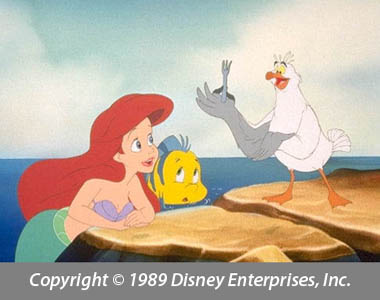 RCC National Environmental Leadership Fellow (NELF) Avery Sands, a senior at Trinity College in Connecticut, examines the negative impacts of a dam on the South River and the wonderful effect removing it has had. NELF Zoe Farris, currently studying at Duke University’s Marine Lab on the North Carolina coast, connects a love of Ariel from Walt Disney’s Little Mermaid to the marine pollution ravaging her own “under the sea” world. Alongside these is an essay by Claudia Steiner, RCC’s former Communications Director, and now a Rachel Carson Council Senior Fellow in the Master of Science Communication Program at UC - Santa Cruz. Using her own stunning photographs, Steiner writes of her experience at the Point Reyes National Seashore and the complications of conservation efforts there along a sweeping shoreline that Rachel Carson visited as she was dying of breast cancer. RCC National Environmental Leadership Fellow (NELF) Avery Sands, a senior at Trinity College in Connecticut, examines the negative impacts of a dam on the South River and the wonderful effect removing it has had. NELF Zoe Farris, currently studying at Duke University’s Marine Lab on the North Carolina coast, connects a love of Ariel from Walt Disney’s Little Mermaid to the marine pollution ravaging her own “under the sea” world. Alongside these is an essay by Claudia Steiner, RCC’s former Communications Director, and now a Rachel Carson Council Senior Fellow in the Master of Science Communication Program at UC - Santa Cruz. Using her own stunning photographs, Steiner writes of her experience at the Point Reyes National Seashore and the complications of conservation efforts there along a sweeping shoreline that Rachel Carson visited as she was dying of breast cancer. Unfortunately, our uplifting environmental essays are coupled with bad news about commercial fishing off the coast of New England that Rachel Carson knew intimately and wrote about in The Edge of the Sea. The Northeast Canyons and Seamounts Marine National Monument established 150 miles off Cape Cod by President Barack Obama has been stripped of protections by the Trump Administration. “Extractive activities” are now welcome in this protected area the size of Connecticut. As we learn more about how to track pollution, we unfortunately discover exactly how much is out there. Scientists have started to use satellites to track visible surface pollution, 80% of which is plastic. At the same time, the new-and-impaired EPA is repealing mercury regulations on power plant emissions, threatening fish stocks near or downstream from coal plants. Also, with rising ocean temperatures, whales are being pushed farther towards shore, increasing the risk of entanglement. Nevertheless, campaigners and researchers continue to make meaningful progress in turning back the tide (pun intended) of anthropogenic climate change. In New Zealand, Maori advocates have recognized the rights of whales as essential to life on the island, and legislators are working to turn those species rights into law. Similarly, researchers have discovered 28 new deep-sea species off the coast of Argentina. You can see them in the Popular Science article we offer that is stuffed with stunning photographs of both beautiful and bizarre creatures. Sharks can also begin to “breathe easy” as a new deterrent around fishing nets has a remarkable impact on helping fishermen only catch their intended target and not destroy sharks as “bycatch.” In climate news, Florida and Hawai’i have recently suffered changes in their relationship with the ocean. Two places renowned for their beauty and trips to the beach are seeing detrimental climate effects. In Hawai’i, given sea-level rise, a new poll sampling over 1,300 adults indicates the majority are worried about their homes staying above water in their lifetime. And, in Florida, researchers are observing potentially devastating changes in ocean currents. But alongside climate threats, come climate solutions. A Virginia windfarm opposed and held back by the Trump Administration is now back on track after disruptions to construction cost Dominion Energy $228 million. 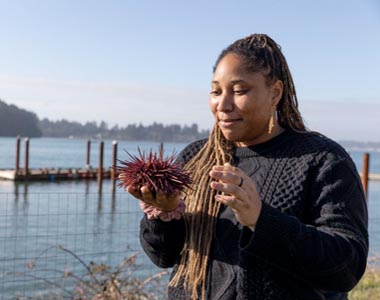 In our “Coasts and Environmental Justice” section look for news from both the East and West Coasts. New York City is set to enter month three of the Zohran Mamdani mayoralty. Mamdani, running on a progressive platform of affordability, also made a commitment to protecting vulnerable populations and the environment. And in Oregon, local fisheries are connecting those who consume their product with the action itself. Small family fishing operations like that run by Taunette Dixon and her boat the Tauny Ann face rising costs for permits, equipment and more. Meanwhile seafood caught in U.S. waters by big commercial fisheries is shipped abroad, while 90% of the seafood consumed in Oregon comes from overseas. Dixon and others are working to educate the community and have them understand the importance of supporting small, local fishing operations and pick places to buy and eat that carry local catch. In our “Coasts and Environmental Justice” section look for news from both the East and West Coasts. New York City is set to enter month three of the Zohran Mamdani mayoralty. Mamdani, running on a progressive platform of affordability, also made a commitment to protecting vulnerable populations and the environment. And in Oregon, local fisheries are connecting those who consume their product with the action itself. Small family fishing operations like that run by Taunette Dixon and her boat the Tauny Ann face rising costs for permits, equipment and more. Meanwhile seafood caught in U.S. waters by big commercial fisheries is shipped abroad, while 90% of the seafood consumed in Oregon comes from overseas. Dixon and others are working to educate the community and have them understand the importance of supporting small, local fishing operations and pick places to buy and eat that carry local catch. The development and negotiations for The High Seas Treaty have been a big part of our past coverage, so continue reading for the official United Nations guide “What is the High Seas Treaty?” But even as international progress is being made, NOAA fisheries and the national ocean regulator have made two major missteps in their regulations. The first is not counting spring-run Chinook salmon as a separate species and not listing them as endangered. Taken together, fall-run and spring-run salmon are not endangered, but they are entirely different. Spring-run salmon occur in much smaller numbers, are more at risk and need to be given endangered status. You also no doubt have followed reporting here on the dwindling numbers of the beautiful, iconic and endangered right whales that lives off the East Coast. There are only 400 individuals left. Unmoved, regulators from the Trump-era NOAA have now rolled back protections for the North Atlantic Right Whale. But lest you despair, please quickly read about the important role of our nation’s universities in researching and protecting the ocean. Oregon State University’s work has led directly to the new United Nations conservation treaty, while SUNY Stony Brook has been recognized for their efforts with a new $1.6 million gift for their Institute of Ocean Conservation Science. 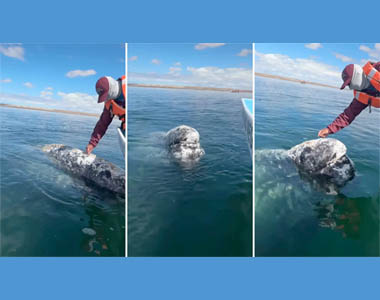 And finally, the media. Be sure to take a look at the video of a sweet interaction between a boat captain who snuggles with and removes whale lice from the head of a Gray whale in a calving lagoon. Also, for your ocean reading, we recommend Under Water by Tara Menon. It’s a fictional story of a girl who loses her mother and finds solace in the sea. Menon beautifully examines friendship, marine biology, and coming of age in the field. And finally, the media. Be sure to take a look at the video of a sweet interaction between a boat captain who snuggles with and removes whale lice from the head of a Gray whale in a calving lagoon. Also, for your ocean reading, we recommend Under Water by Tara Menon. It’s a fictional story of a girl who loses her mother and finds solace in the sea. Menon beautifully examines friendship, marine biology, and coming of age in the field.
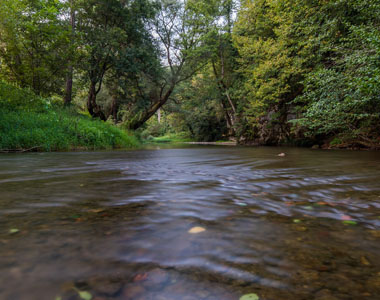
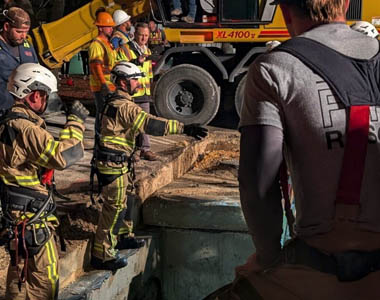
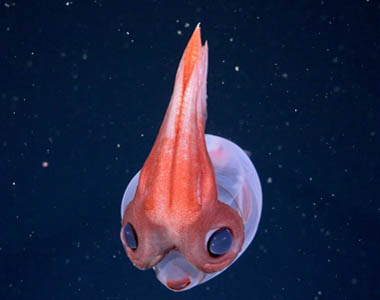
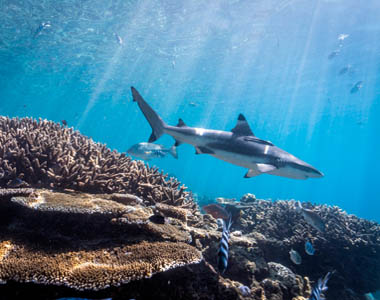
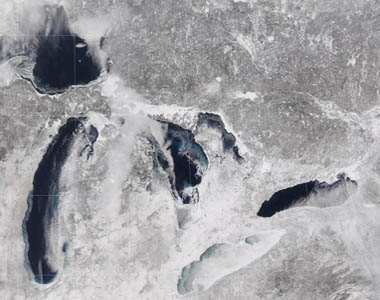
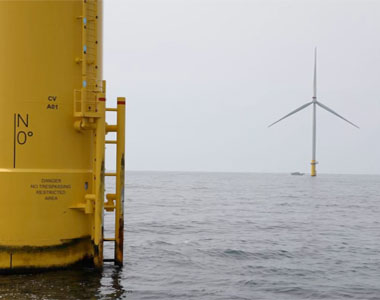
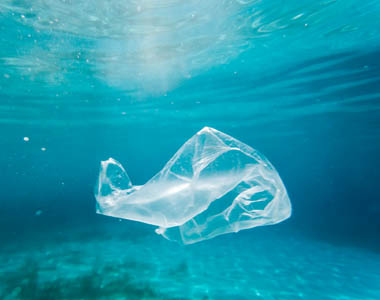
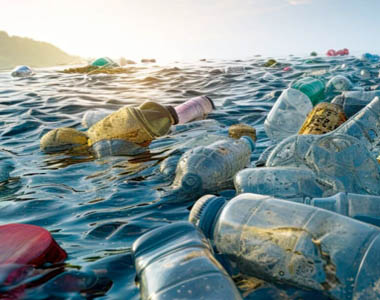
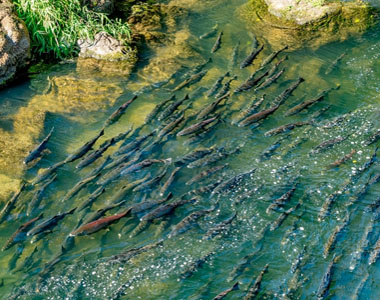
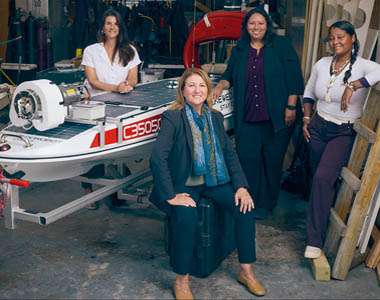
As spring rolls in and we are all freer to get outside, the Rachel Carson Council urges you to explore and enjoy our coasts and ocean and continue to work along with us to ensure our oceans are protected. | | | | | | | | RCC Presidential Fellows - MacEva Wright and Ewan Dignon 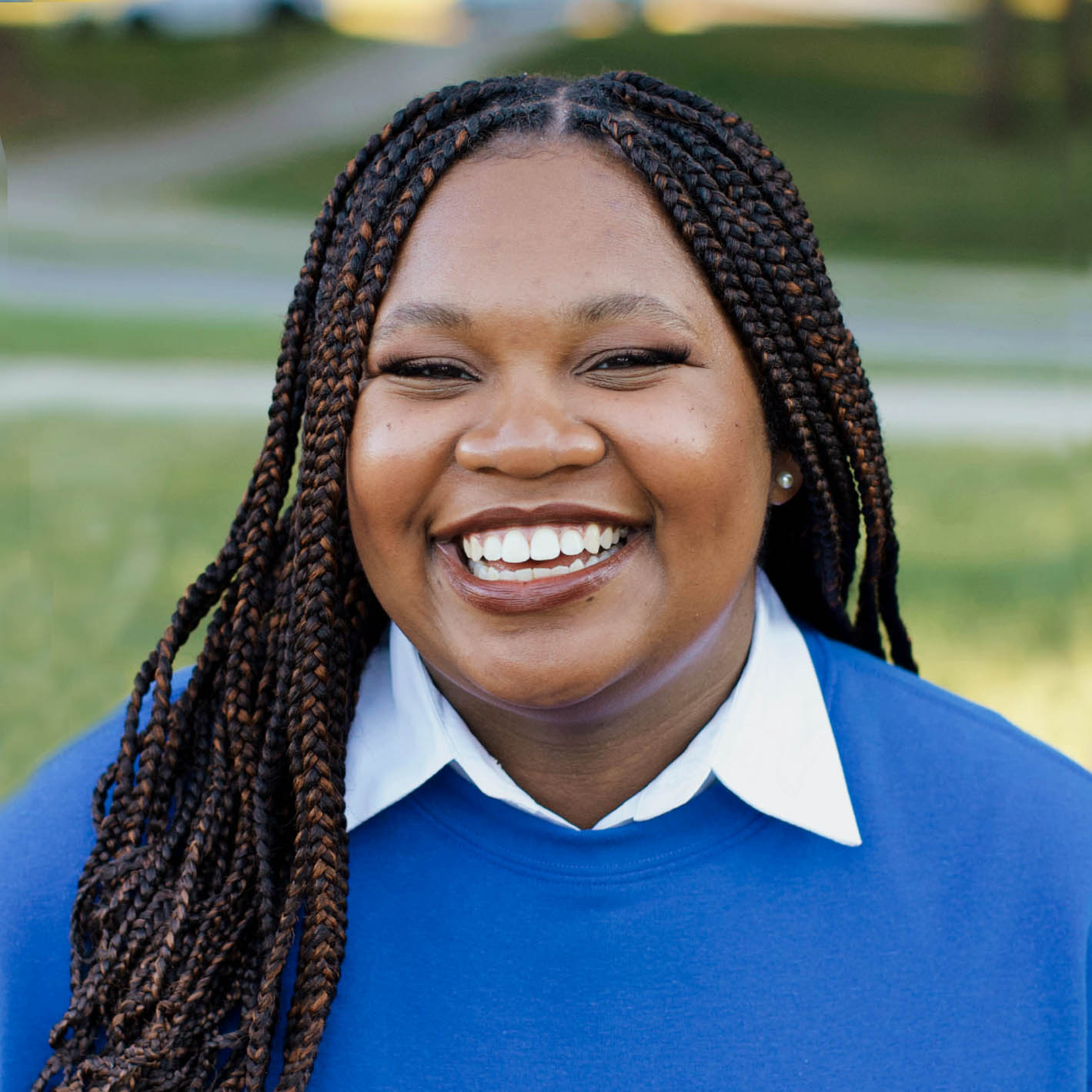 MacEva Wright is the co-lead of the RCC Coasts and Ocean program with Bob Musil. She is a second-year graduate student at Duke University’s Nicholas School of the Environment working on a Master’s of Environmental Management with an emphasis on Coastal and Marine Systems and Environmental Justice. MacEva Wright is the co-lead of the RCC Coasts and Ocean program with Bob Musil. She is a second-year graduate student at Duke University’s Nicholas School of the Environment working on a Master’s of Environmental Management with an emphasis on Coastal and Marine Systems and Environmental Justice. 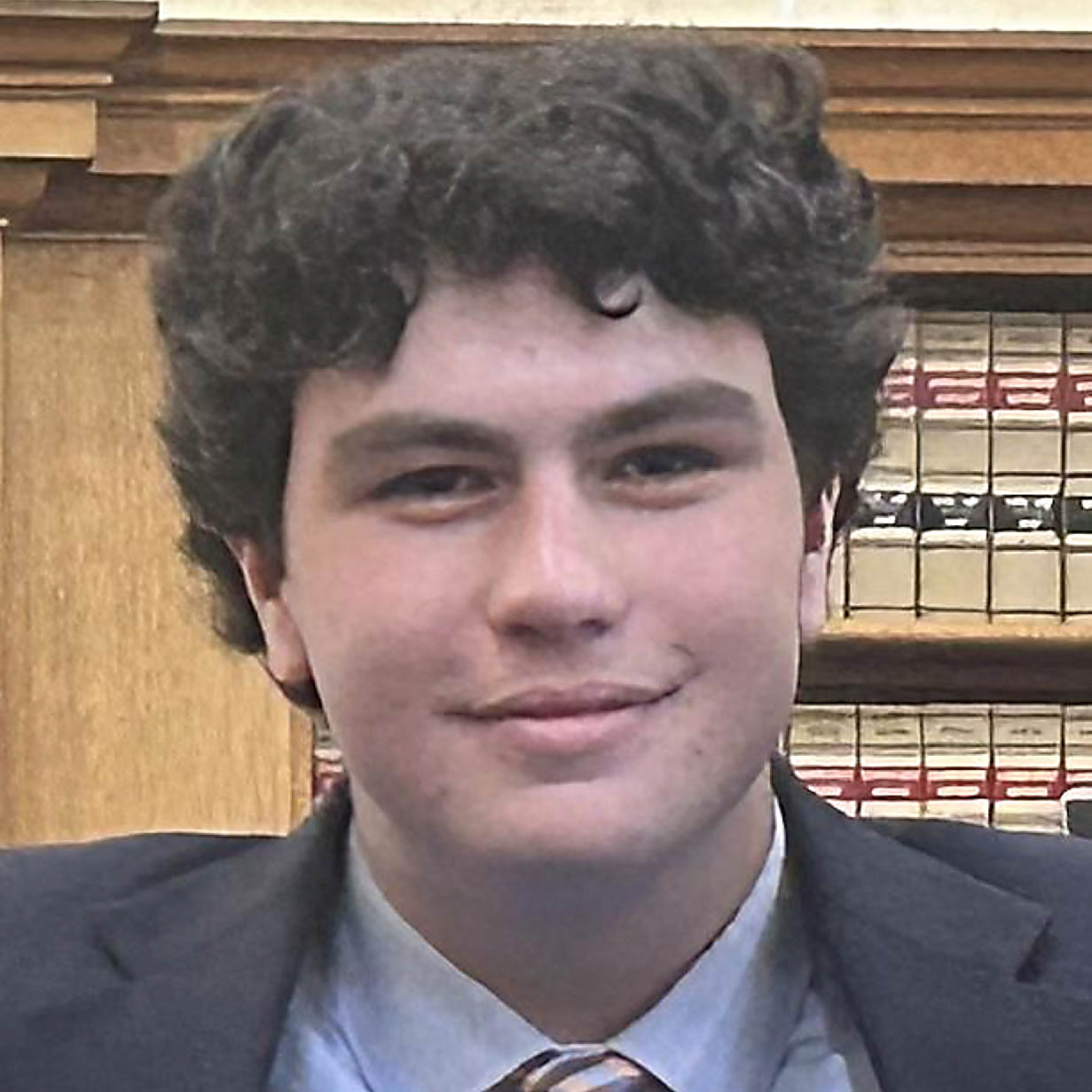 Ewan Dignon is the co-lead of the RCC Coasts and Ocean program with Bob Musil. He is an undergraduate at Duke University pursuing two degrees, Public Policy (B.A.) and Economics (B.A.), with a minor in Environmental Sciences and Policy. Ewan Dignon is the co-lead of the RCC Coasts and Ocean program with Bob Musil. He is an undergraduate at Duke University pursuing two degrees, Public Policy (B.A.) and Economics (B.A.), with a minor in Environmental Sciences and Policy. | | | | | | Trump Opens Vast Atlantic Marine Monument For Commercial Fishing Campaigners have called it a ‘blatant disregard for the health of our oceans’ as well as a danger to a ‘natural treasure’ as well as the valuable wildlife that inhabits it – a move made by the US President Trump to reopen the door of the Northeast Canyons and Seamounts Marine National Monument to commercial fishing. It’s a move that reverses longstanding prohibitions on extractive activities in the monument, an area of the Atlantic located roughly 130 miles southeast of Cape Cod. | | | | | | | | Reviving Our Rivers The South River was once a free-flowing tidal estuary, stretching just 15 miles inland from the Atlantic Ocean on the coast of Massachusetts. In 1640, the South River became the centerpiece of the newly established town of Marshfield. Around this same time, a dam was constructed on the river to power a gristmill for local farmers. From this point on, the natural flow of the South River was blocked. Over the next few hundred years, the dam eventually became a sawmill that operated from the mid-1800s to the early 1900s. | | | | | | | | A 410-pound Manatee Rescued From a Florida Storm Drain is Recovering at SeaWorld Orlando A manatee that got stuck in a Florida storm drain while seeking warmer waters is on the mend at SeaWorld Orlando after a coordinated rescue effort. Multiple fire rescue units and officials from the Florida Fish and Wildlife Conservation Commission, the University of Florida and even Jack’s Wrecker Service were brought in Tuesday to get the 410-pound (186-kilogram) sea cow out of the storm drain in Melbourne Beach. | | | | | | | | How a Groundbreaking Indigenous Treaty on Whales’ Rights Could Change National Laws In one of his final acts before his death in 2024, Māori King Tūheitia Pōtatau Te Wherowhero helped galvanize Pacific Indigenous leaders to sign a landmark declaration recognizing whales’ rights. Now that effort could shape national law: New Zealand legislators this month introduced a bill grounded in the declaration, affirming whales’ rights to migrate, maintain natural behaviors and culture, and live in a healthy environment with damaged habitats restored. | | | | | | | | Marine Biologists Discover 28 New Deep Sea Species—and an Old VHS Tape The level of ocean biodiversity near Argentina staggered researchers. The marine biologists of the Schmidt Ocean Institute are a busy bunch. Over the last few years, scientists aboard the research vessel Falkor (too) have spotted rare Antarctic squid, discovered multiple octopus near Costa Rica, and even cataloged over 100 potential new species off the coast of Chile. | | | | | | | | New Shark Deterrent Could Have 'dramatic impact' on Bycatch Efforts to reduce the levels of shark bycatch in commercial fishing have taken a new turn with the development of a “cheap, yet effective” deterrent that produces an electrical current detectable only to sharks, better enabling fishers to catch only their target species. Developed by researchers at Florida Atlantic University, it is hoped that the device can go some distance to reduce the risk posed to shark species by commercial fishing efforts, helping to reverse the decline of many endangered species. | | | | | | | | Why Changes in a Florida Ocean Current Could Wreak Havoc Worldwide It’s part of the scenario in “The Day After Tomorrow,” but scientists differ over whether or how fast it may occur. At 2 a.m., oceanographer Ryan Smith was headed into his 12th hour of work with little sleep when trouble started. From the rear deck of the University of Miami’s research boat, he guided the vessel’s winch to lower a cage containing 14 long, gray tubes, collectively weighing about 1,000 pounds, hundreds of meters deep into the Atlantic Ocean, to record the temperature, salinity and density of the water. | | | | | | | | Most Hawaiians Are Already Feeling the Affects of Sea Level Rise Hawai’i residents overwhelmingly believe sea level is affecting the state, expect to be impacted in their lifetime and want changes in development planning, according to a new statewide survey from the University of Hawai’i Economic research organisation (UHERO). The survey drew from 1,314 adults surveyed in summer 2025, and is the first representative survey to measure public beliefs, risk perceptions and policy attitudes across Hawai’i’s four counties. | | | | | | | | | | What Over a Century of Ice Data Can Tell Us About the Great Lakes’ Future Michigan researchers have gone back in time to get a picture of how ice cover on the Great Lakes has evolved since the late 19th century. Using historical temperature records from weather stations around the region, researchers improved their understanding of where ice might have formed and for how long it lasted — spanning the last 120 years. | | | | | | | | Pause on Virginia Offshore Wind Farm Cost Dominion more than $200M — But Turbines Will Power Up Soon The Trump administration’s attempt to stop Dominion Energy from building its wind farm off the Virginia Beach coast cost the utility $228 million, company executives told shareholders this week. Shortly before Christmas, the U.S. Interior Department issued a stop-work order for the project and four others along the East Coast. Government officials claimed the wind farms would harm national security, but declined to provide more details. | | | | | | | | From Mermaids to Marine Debris Growing up, Ariel was my favorite Disney princess. None of the others came close. What could be better than being part human and part fish? Watching The Little Mermaid, I laughed hysterically when Ariel, eager to imitate the humans, mistakenly used a discarded fork as a hairbrush. During the iconic song “Part of Your World,” she sings about her fascination with the various man-made “gadgets and gizmos” that end up in her underwater oasis. | | | | | | | | Satellites Are Detecting Plastic Pollution in the Ocean Worldwide The harmful effects of plastic pollution on human health and biodiversity are well documented. However, last summer, the negotiating committee meeting in Geneva once again failed to reach an international treaty against plastic pollution. This pollution is accumulating in the oceans: 75 to 199 million tonnes of plastic are thought to have ended up in the oceans in 20211, and annual discharges now amount to tens of millions of tonnes. Plastic accounts for more than 80% of the debris present in aquatic systems. | | | | | | | | EPA Repeals Power Plant Regulations That Reduce Mercury in Fish The Environmental Protection Agency (EPA) last week repealed a 2024 rule that put stricter limits on mercury emissions from coal-fired power plants, the primary source of the mercury that accumulates in fish and leads to human health risks. In a press release, EPA Administrator Lee Zeldin said that an earlier version of the Mercury and Air Toxics Standards (MATS), finalized in 2012, was now back in effect, replacing the Biden administration rule. | | | | | | | | Whale Entanglements in Fishing Gear Surge Off U.S. West Coast During Marine Heatwaves New research finds that rising ocean temperatures are shrinking cool-water feeding grounds, pushing humpbacks into gear-heavy waters near shore. Scientists say ocean forecasting tool could help fisheries reduce the risk. Each spring, humpback whales start to feed off the coast of California and Oregon on dense schools of anchovies, sardines and krill—prey sustained by cool, nutrient-rich water that seasonal winds draw up from the deep ocean. | | | | | | | | ‘Unbelievably Vulnerable’: The Climate Challenges Facing Mamdani’s New York City Mayor Zohran Mamdani campaigned on an affordability platform, but climate issues may still define his term. Climate advocates in New York City celebrated when Zohran Mamdani won the mayoral election, applauding his history of opposing the expansion of gas infrastructure in the city and his framing of climate action as important to his affordability agenda. | | | | | | | | In Oregon, a Local Seafood Movement Connects Consumers to the Coast On a gray, stormy Saturday in early February, a small group gathers on a dock at the Port of Newport, along Oregon’s central coast. Their brightly colored raincoats stand out against the seascape. Though it is hard to hear over the high winds, barking sea lions, and din of dock work, they’re paying close attention to Taunette Dixon as she stands before her family’s boat, the Tauny Ann, and spells out the challenges facing fishers today, including increasingly expensive fishing and crabbing permits. | | | | | | | | More Than a Drop in the Ocean: What is the High Seas Treaty? Millions of people across the world have shared the same experience: looking out to the ocean in awe of the vast blue before them. It is no surprise that one of the most biodiverse spaces on Earth, encompassing thousands of life forms, is underwater. International seabeds and high seas make up over two-thirds of the ocean’s surface and represent over 90 per cent of Earth’s habitat by volume. | | | | | | | | NOAA Fisheries Denies ESA Petition For Washington Coast Spring-run Chinook Salmon More than two and a half years after a petition was filed, NOAA Fisheries has determined that spring-run Chinook salmon on the Washington coast are not a distinct group from their fall-run counterparts and don’t warrant listing under the Endangered Species Act (ESA). “NMFS has independently reviewed the best available scientific and commercial information,” NOAA Fisheries stated in a post on the Federal Register. | | | | | | | | US Ocean Regulator Faces Criticism Over Changes to Right Whale Protection Rule The U.S.’s ocean regulator plans to make industry-friendly changes to a longstanding rule designed to protect vanishing whales, prompting criticism from environmental groups who cite the recent death of an endangered whale. The rules protect the North Atlantic right whale, which numbers less than 400 and lives off the East Coast. The giant animals are protected by a vessel speed rule that requires large ships to slow down at certain times to avoid collisions, which is a leading cause of death for the whales. | | | | | | | | Change, the Dreaded Constant: Conserving Point Reyes National Seashore Clutching the carpeted seat beneath me, focused on slow deep breaths, and straining my neck to get a clear view of the road ahead of me, I wasn’t sure my destination was worth the car sickness. When we stopped to eat bagged lunches at the Golden Gate Bridge, the journey from Santa Cruz to Point Reyes seemed to be moving at a glacial, torturous pace. The crisp autumn air in the foggy mystique surrounding the bridge at least began to calm my stomach. | | | | | | | | Historic Ocean Treaty Underpinned by Oregon State University Science Takes Effect Jan. 17 Less than two years after OSU scientists led the publication of a landmark marine protected area guide in Science, the United Nations in June 2023 adopted the text of the treaty. The treaty’s aim is to safeguard and sustainably use the high seas, the two-thirds of the ocean not under individual nations’ control. Known officially as the Biodiversity Beyond National Jurisdiction Agreement, the treaty was under discussion for more than two decades. | | | | | | | | Institute for Ocean Conservation Science Receives $1.6 Million Gift to Support Research The Institute for Ocean Conservation Science (IOCS) at the State University of New York at Stony Brook has received a $1.6 million gift to establish a research fund that will further the institute’s excellence through innovative and environmentally responsible aquatic research. Founded in 2003 with a clear mission to advance ocean conservation through science, the IOCS is a vital contributor to the university’s mission of leveraging innovative research and education to create a better future for the global community. | | | | | | | | Tourist Records Sweet, Unexpected Moment Between Boat captain and Whale: 'He loves it' A boat captain's special interaction with a gray whale tugged at the internet's heartstrings and hinted at a special relationship that's developed over the years. A tourist uploaded the touching video from the calving lagoon of Ojo de Liebre in Guerrero Negro, Mexico. The footage captures Paco Jimenez Franco, a boat captain with 20 years of experience, removing whale lice from a visiting gray whale. | | | | | | | | Under Water 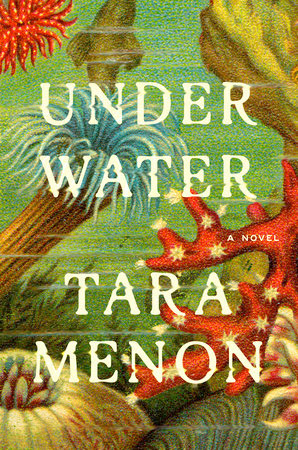 An intense, atmospheric novel about the devastating power of friendship, set against the backdrop of two cataclysmic events. An intense, atmospheric novel about the devastating power of friendship, set against the backdrop of two cataclysmic events.
After Marissa loses her mother at six, the most intimate relationship of her life begins. Her marine biologist father, determined to channel his grief into completing his wife’s research, whisks her across the globe to Thailand. There she meets Arielle, and a fairytale friendship takes hold. During the week, the girls live at the resort owned by Arielle’s parents; on the weekends they join the tight-knit community of researchers on a nearby island. Together the girls discover the fragile wonders of its reefs, forests, and beaches. Together they learn to dive into the deep, holding their breath for minutes at a time, as effortlessly synchronized as the manta rays they come to know by name. Together they learn to swim their way out of danger. But then comes a wave Arielle can’t outpace, leaving Marissa gutted with loss. Years later, Marissa is back in New York, adrift and haunted by the memory of her friend. Over the course of two fateful days, as another cataclysm approaches the city and the past comes flooding back, she discovers how to sustain herself in a precarious world. Click here to purchase. | | | | The February 2026 issue of RCC's Coasts and Ocean Observer was produced by Ross Feldner | | | |  The Rachel Carson Council Depends on Tax-deductible Gifts From Concerned Individuals Like You. Please Help If You Can. The Rachel Carson Council Depends on Tax-deductible Gifts From Concerned Individuals Like You. Please Help If You Can. | | | | | | | |  Sign Up Here to Receive the RCC E-News and Other RCC Newsletters, Information and Alerts. Sign Up Here to Receive the RCC E-News and Other RCC Newsletters, Information and Alerts. | | | | | | RACHEL CARSON COUNCIL
8600 Irvington Avenue
Bethesda, MD 20817
(571) 262-9148
[email protected] | | | | | | | | | | | |