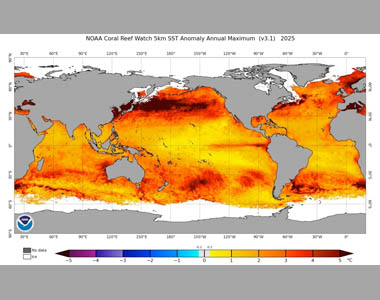
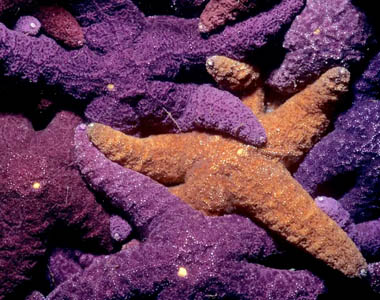
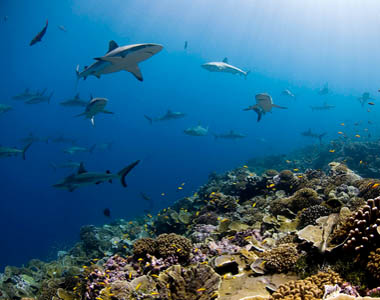
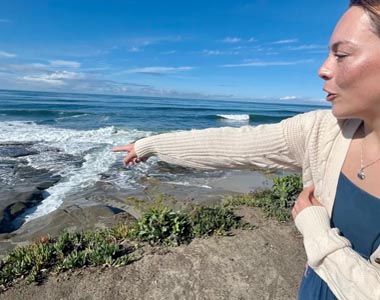
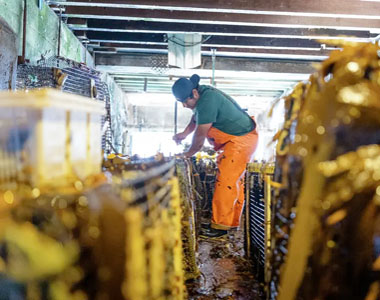
 | | | For the globe as a whole, the ocean is the great regulator, the great stabilizer of temperatures. It has been described as 'a savings bank for solar energy, receiving deposits in seasons of excessive insolation and paying them back in seasons of want. Without the ocean, our world would be visited by unthinkably harsh extremes of temperature. — Rachel Carson | | | | A new year begins with stark reminders of how quickly the ocean is changing. As 2026 opens, scientists have confirmed that global temperatures have reached yet another record high. This alarming milestone amplifies how deeply the climate crisis is reshaping the mechanisms that regulate life on Earth. January’s Coasts and Oceans Observer brings together stories of warning and resilience, science and policy, all unfolding along our coastline and deep out at sea. In “Breaking Waves,” new research documents the extraordinary level of heat absorbed by the ocean in 2025, reinforcing long-standing (mostly unheeded) warnings from climate scientists. Coincidentally, these findings frame much of this month’s coverage. It emphasizes how quickly conditions are changing and how urgent responses are needed to protect both marine life and coastal livelihoods. 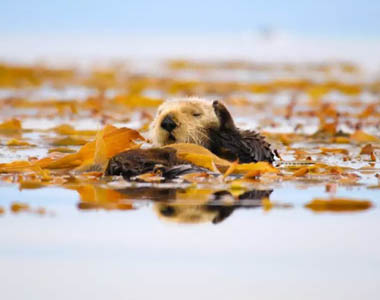 Our “Marine Life and Conservation” section highlights both vulnerability and hope from coast to coast. In California, sea otters are quietly stabilizing kelp forests. In the Florida Keys, a loggerhead turtle’s journey of remarkable recovery and return to the wild was chronicled by People. These stories show what proper protection and care can achieve. Scientists are also finding new pathways for restoration, including promising hybrid seagrass research, even as massive dredging projects and unchecked tourism threaten corals, tide pools, and fragile coastal habitats. At the international level, a historic United Nations treaty to protect the high seas officially takes effect this month, marking a significant step towards safeguarding ocean areas beyond national jurisdiction. Our “Marine Life and Conservation” section highlights both vulnerability and hope from coast to coast. In California, sea otters are quietly stabilizing kelp forests. In the Florida Keys, a loggerhead turtle’s journey of remarkable recovery and return to the wild was chronicled by People. These stories show what proper protection and care can achieve. Scientists are also finding new pathways for restoration, including promising hybrid seagrass research, even as massive dredging projects and unchecked tourism threaten corals, tide pools, and fragile coastal habitats. At the international level, a historic United Nations treaty to protect the high seas officially takes effect this month, marking a significant step towards safeguarding ocean areas beyond national jurisdiction. Next in “Sustainability and Fish,” difficult (but necessary) decisions have now reflected in the realities of ecosystem limits. California’s ban on abalone harvesting legislates the long-term future of the species, preventing overuse. International agreements aim to protect biodiversity across all ocean spaces, as a landmark biodiversity deal comes into effect. Together, these stories showcase that sustainable management must be grounded in science, precaution, and enforcement. The ocean’s role in climate policy comes into sharper focus in “Climate and Energy.” At COP30, ocean-based solutions gained overdue attention, signaling a shift in how global climate governance understands the interconnectedness of the land, sea, and atmosphere. There is new research that shows when damage to marine ecosystems is fully accounted for, the true cost of carbon doubles–revealing trillions of dollars in hidden losses to reefs, fisheries, coastal communities, and marine ecosystems. With true cost accounting, that means climate change is even more economically impactful than previously thought. Meanwhile, the development of offshore wind continues to face political headwinds, even as courts affirm its viability and importance to clean energy transition. 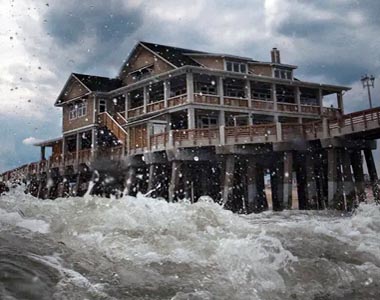 As we move into our “Coast and EJ” section, environmental justice still remains a central thread throughout January’s issue. Along the Gulf Coast, communities seek accountability for decades of industrial damage to wetlands and shorelines, while oil companies attempt to shift legal responsibility. Elsewhere, states like New York are heavily investing in climate resilience, and policymakers in North Carolina are reexamining coastal insurances and rebuilding practices to better reflect the realities of stronger storms. Each story further emphasizes that climate impacts are not evenly distributed and that choices in policy matter. As we move into our “Coast and EJ” section, environmental justice still remains a central thread throughout January’s issue. Along the Gulf Coast, communities seek accountability for decades of industrial damage to wetlands and shorelines, while oil companies attempt to shift legal responsibility. Elsewhere, states like New York are heavily investing in climate resilience, and policymakers in North Carolina are reexamining coastal insurances and rebuilding practices to better reflect the realities of stronger storms. Each story further emphasizes that climate impacts are not evenly distributed and that choices in policy matter.
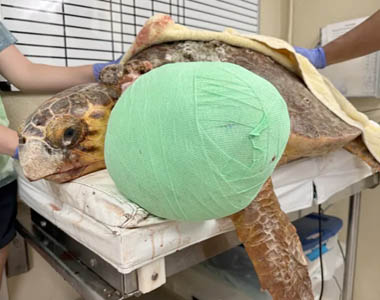
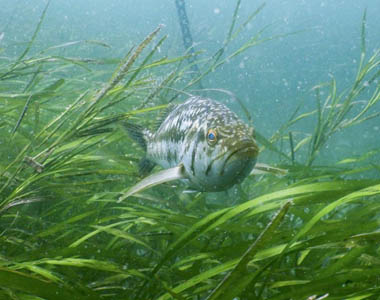
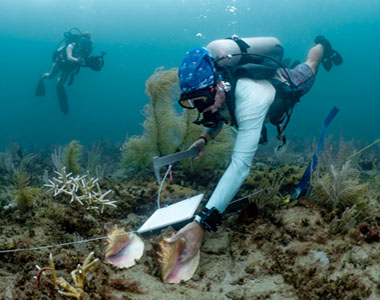
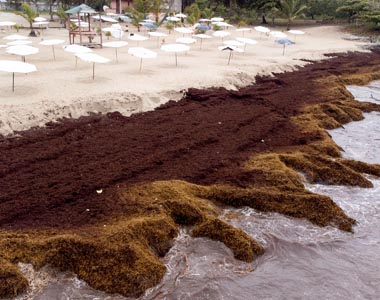
Following “Coasts and EJ”, the stories represented in the “Marine Pollution” section add another layer of urgency. Scientists warn that expanding seaweed blooms, driven by warming waters and nutrient runoff, may signal a “regime shift” in ocean systems that could lead to massive ecological and economical consequences. For a book this month, we recommend you take a look at Whale: The Illustrated Biography by Asha de Vos and illustrated by Adam Hook. The new release covers the full life of a whale, including many different species. Ranging from topics like families to communication and migration, the illustrated scientific text is sure to be a page turner. The next time you are in your local library, be sure to keep an eye out. | | | | | | | | RCC Presidential Fellows - MacEva Wright and Ewan Dignon 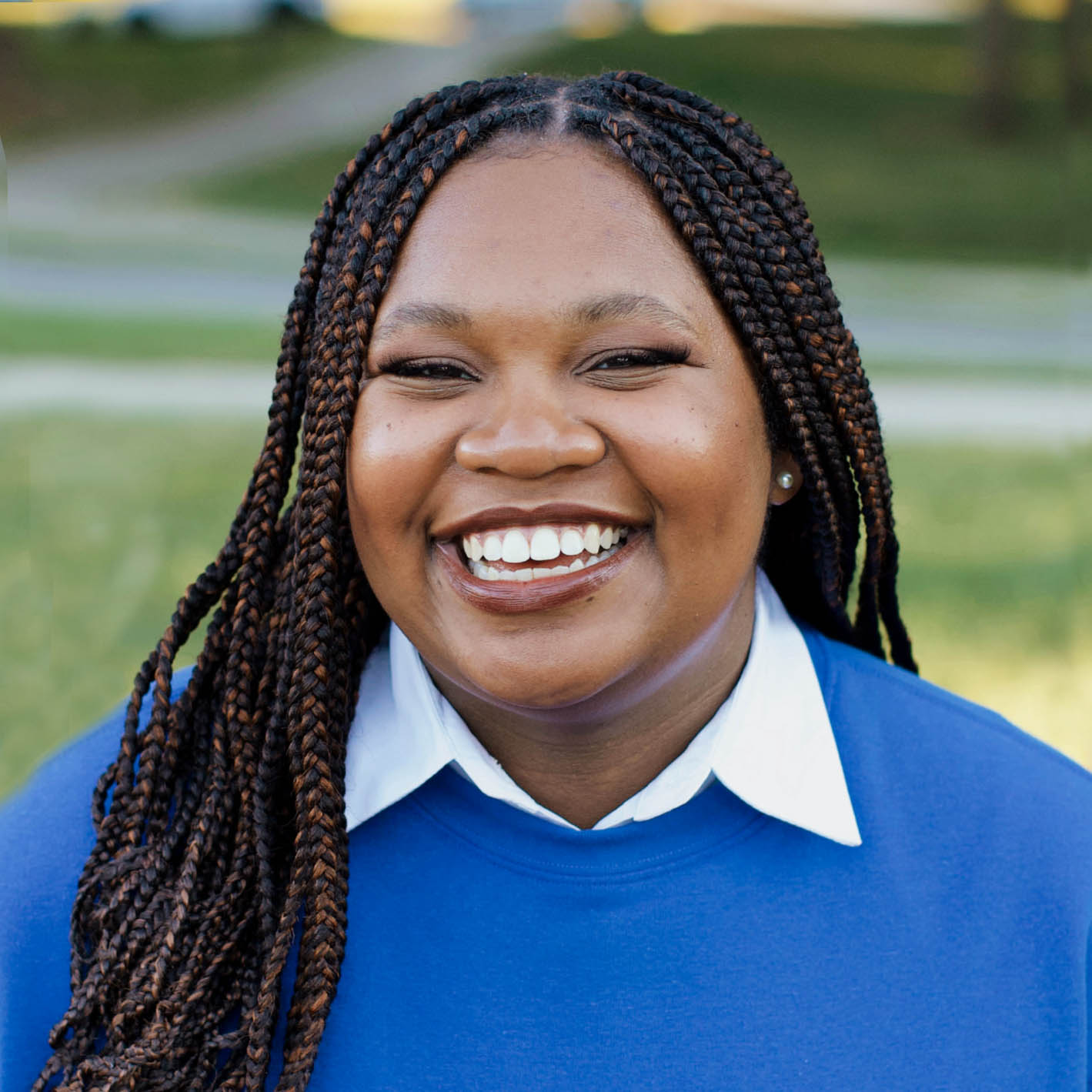 MacEva Wright is the co-lead of the RCC Coasts and Ocean program with Bob Musil. She is a second-year graduate student at Duke University’s Nicholas School of the Environment working on a Master’s of Environmental Management with an emphasis on Coastal and Marine Systems and Environmental Justice. MacEva Wright is the co-lead of the RCC Coasts and Ocean program with Bob Musil. She is a second-year graduate student at Duke University’s Nicholas School of the Environment working on a Master’s of Environmental Management with an emphasis on Coastal and Marine Systems and Environmental Justice.  Ewan Dignon is the co-lead of the RCC Coasts and Ocean program with Bob Musil. He is an undergraduate at Duke University pursuing two degrees, Public Policy (B.A.) and Economics (B.A.), with a minor in Environmental Sciences and Policy. Ewan Dignon is the co-lead of the RCC Coasts and Ocean program with Bob Musil. He is an undergraduate at Duke University pursuing two degrees, Public Policy (B.A.) and Economics (B.A.), with a minor in Environmental Sciences and Policy. | | | | | | Ocean Temperatures Just Hit a Dire New Record The world’s ocean absorbed more heat in 2025 than in any other year on record The oceans just keep getting hotter. According to new research from dozens of international scientists published in Advances in Atmospheric Sciences early on Friday, the world’s oceans stored more heat in 2025 than any other year on record. In 2025 the upper 2,000 meters of the ocean absorbed a record-setting 23 zettajoules more energy than in 2024. | | | | | | | | Sea Otters Are California’s Climate Heroes From kelp forests to sea grass meadows, these charismatic predators are quietly holding parts of the coast together. When Jessica Fujii was in kindergarten, she drew a picture of her future. In a “What do you want to be when you grow up?” booklet, she skipped ballerina and veterinarian and wrote down something else entirely: sea otter biologist, complete with cartoon-like otters in the great tide pool at the Monterey Bay Aquarium. | | | | | | | | Sea Turtle Weighed Down by a 10-Lb. Life-Threatening Tumor Returns to the Ocean After Her Rescue Molly, a loggerhead turtle native to the water around the Florida Keys, returned home to Higgs Beach on Nov. 25 after undergoing life-saving surgery earlier in 2025. Believed to be approximately 25 to 30 years old, Molly was tangled in commercial fishing lines attached to a crab trap when a charter fisherman found her in desperate need of help in August. | | | | | | | | Seagrass Study Points to Promising Pathway for Ocean Restoration Scientists discover a hybrid seagrass with low-light tolerance, paving the way for genome-informed approaches to coastal restoration A new study led by UC San Diego’s Scripps Institution of Oceanography and the Salk Institute for Biological Studies reveals the potential of a new hybrid seagrass to advance ocean restoration efforts in California and beyond. | | | | | | | | Ten Million Corals Are in the Path of a Federal Dredging Project in Florida Scientists warn that a proposed expansion of Port Everglades could cause unprecedented damage to corals in the U.S., including some of the only remaining endangered staghorn corals that survived a record-breaking heat wave. Beneath the surface of one of South Florida’s busiest maritime hubs, Port Everglades, scientists found 10 million corals thriving in and around the main channel traversed daily by cargo and cruise ships, now threatened by a major federal dredging project. | | | | | | | | Sea Star Murder Mystery: What’s Killing a Key Ocean Species? Billions of sea stars, victims of a deadly wasting illness, have perished over the last decade, imperiling marine ecosystems and spurring a global hunt for a biological or environmental culprit. Recently, researchers identified a likely suspect, but the case is far from closed. It started in the summer of 2013. Sea stars were dying in huge numbers in Washington State’s Olympic National Park: They became covered in white lesions. Then their limbs contorted and fell off, leaving their bodies to disintegrate into a pile of white goo. | | | | | | | | Historic Ocean Treaty Underpinned by Oregon State University Science Takes Effect Jan. 17 Less than two years after OSU scientists led the publication of a landmark marine protected area guide in Science, the United Nations in June 2023 adopted the text of the treaty. The treaty’s aim is to safeguard and sustainably use the high seas, the two-thirds of the ocean not under individual nations’ control. Known officially as the Biodiversity Beyond National Jurisdiction Agreement, the treaty was under discussion for more than two decades. | | | | | | | | Tide Pool Crowds Threaten Sea Life on Protected La Jolla Coast, Possibly Illegally Videos posted to social media over the weekend show hundreds of people walking over tide pools and disturbing delicate marine wildlife. The King Tides off San Diego's coast over the weekend brought a crowd of people that did more than just look at the tide pools. In fact, some visitors to the state-protected La Jolla coast may have broken the law. | | | | | | | | | | California Bans Harvest of Ocean Delicacy Until 2036 Just outside the town of Mendocino in the middle of Van Damme Beach, a weathered placard educates bystanders about the region’s red abalone, a once prolific seasnail whose mild taste and iridescent shell attracted throngs of divers up the Northern California coast. But this November, the beach was quiet aside from small waves lapping against the shoreline and a steady stream of cars racing along Highway 1. | | | | | | | | UN Biodiversity Treaty Enters Into Force, Aims to Protect 30% of Oceans by 2030 A landmark global treaty to safeguard biodiversity in the high seas came into effect on Saturday, providing countries with a legally binding framework to tackle threats such as overfishing and meet a target to protect 30% of the ocean environment by 2030. The U.N. treaty was finalised in March 2023 after 15 years of negotiations, and will allow the creation of a global network of "marine protected areas" in vast and previously unregulated ocean ecosystems lying in international waters. | | | | | | | | The Ocean Has Finally Entered the Global Climate Debate The world has started to recognize that the climate’s fate depends on what happens to the ocean. At COP30, ocean-based solutions attracted significant attention and investment, but much more must be done to establish the governance structures required for safeguarding this critical planetary system. In global climate policy, the ocean was long treated as an afterthought, too vast to manage effectively and too resilient to be degraded. | | | | | | | | Bucking Trump Admin, Judge Greenlights East Coast Offshore Wind Project A Virginia federal judge gave company Dominion Energy the go-ahead to continue work on what will be the largest wind turbine project of its kind. In a blow to President Donald Trump, a federal judge on Friday granted an injunction allowing for the completion of a wind turbine project off the coast of Virginia. | | | | | | | | Ocean Damage Nearly Doubles the 'true cost' of Carbon, Study Finds A Scripps-led study shows that including climate damage to oceans nearly doubles the social cost of carbon, revealing trillions in hidden losses to reefs, fisheries, coastal communities and marine ecosystems that were previously excluded from global climate policy calculations. Scientists has – for the first time – factored climate-driven damage to the ocean into the social cost of carbon – a key metric used to estimate the economic harm caused by greenhouse gas emissions, with profound implications. | | | | | | | | After Losing a Climate Case in a Louisiana Courtroom, Chevron Wants a Change of Venue Lawyers for the oil giant argued before the U.S. Supreme Court on Monday that the matter belongs in federal court. But the heavily Republican state responded that a $744.6 million jury award in state court should stand. A jury in Plaquemines Parish, Louisiana, thought it had put the issue to rest. In April 2025, after an 18-day trial, the group of south Louisianans awarded two coastal parish governments $744.6 million in damages. | | | | | | | | Hochul Announces $265M For Water Quality, Climate Projects Governor Kathy Hochul announced more than $265 million in new funding to support water quality and climate resiliency projects across New York State. The investment includes major grants to protect drinking water, modernize aging infrastructure, reduce harmful algal blooms, and help communities prepare for increasingly severe weather. | | | | | | | | Resilience as Policy: Coastal Insurance and North Carolina’s Blueprint for Building Back Better Hurricane season provides an opportunity that is too often wasted. Each year, homes in coastal communities are ravaged, insurers pay out, and homes are rebuilt exactly as they were before. In willful ignorance, we repeat this inefficient cycle, ignoring the climate changes reshaping our coasts. Our short-sightedness is costly and only makes storms more devastating. | | | | | | | | Scientists Warn of ‘regime shift’ as Seaweed Blooms Expand Worldwide Study links rapid growth of ocean macroalgae to global heating and nutrient pollution. Scientists have warned of a potential “regime shift” in the oceans, as the rapid growth of huge mats of seaweed appears to be driven by global heating and excessive enrichment of waters from farming runoff and other pollutants. | | | | | | | | Whale: The Illustrated Biography By Asha de Vos
Illustrated by Adam Hook A marvelously illustrated look at the life of the whale 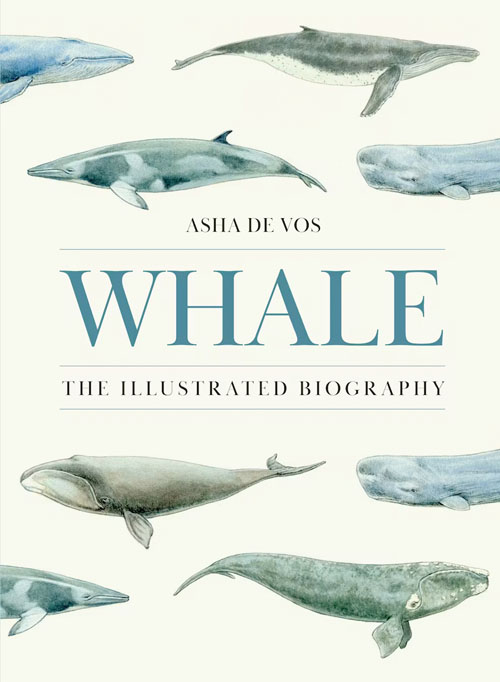 Whales are the majestic giants of the ocean, yet much of their world remains a mystery to us. The routes of their vast oceanic migrations are largely elusive, as are the intricacies of their behavior and social dynamics. This narrative biography takes you out beyond our shorelines and into the depths, providing an up-close exploration of the life of the whale. It covers everything from conception and childhood to family history, relationships, communication, and life challenges, and explains why studying whales helps us to monitor the health of our planet’s oceans and marine ecosystems. Written by internationally acclaimed expert Asha de Vos, Whale: The Illustrated Biography blends engaging profiles of the best-known species with stunning illustrations to tell the story of these magnificent creatures in all their diversity and complexity. Whales are the majestic giants of the ocean, yet much of their world remains a mystery to us. The routes of their vast oceanic migrations are largely elusive, as are the intricacies of their behavior and social dynamics. This narrative biography takes you out beyond our shorelines and into the depths, providing an up-close exploration of the life of the whale. It covers everything from conception and childhood to family history, relationships, communication, and life challenges, and explains why studying whales helps us to monitor the health of our planet’s oceans and marine ecosystems. Written by internationally acclaimed expert Asha de Vos, Whale: The Illustrated Biography blends engaging profiles of the best-known species with stunning illustrations to tell the story of these magnificent creatures in all their diversity and complexity. - Features a wealth of specially commissioned illustrations
- Discusses familiar species such as the humpback whale, blue whale, killer whale, and sperm whale, as well as smaller and more elusive cousins
- Covers anatomy, hunting and feeding, migration, habitats, whale song, conservation, human interactions with whales, and much more
- Explains how whales play key roles in nutrient cycling, regulating prey populations, and influencing carbon sequestration
- A must-have reference for whale watchers everywhere
Click here to read more and purchase | | | | The January 2026 issue of RCC's Coasts and Ocean Observer was produced by Ross Feldner | | | |  The Rachel Carson Council Depends on Tax-deductible Gifts From Concerned Individuals Like You. Please Help If You Can. The Rachel Carson Council Depends on Tax-deductible Gifts From Concerned Individuals Like You. Please Help If You Can. | | | | | | | |  Sign Up Here to Receive the RCC E-News and Other RCC Newsletters, Information and Alerts. Sign Up Here to Receive the RCC E-News and Other RCC Newsletters, Information and Alerts. | | | | | | RACHEL CARSON COUNCIL
8600 Irvington Avenue
Bethesda, MD 20817
(571) 262-9148
[email protected] | | | | | | | | | | | |