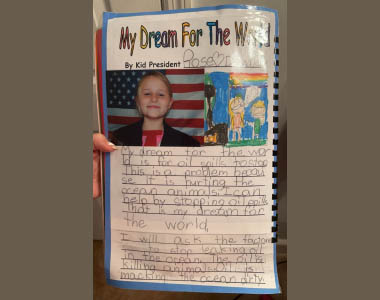
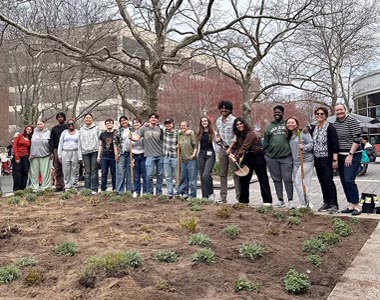
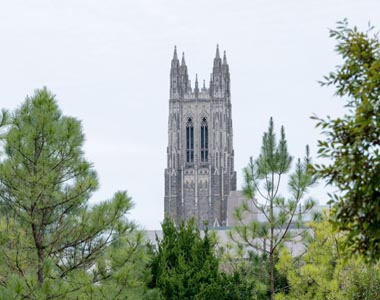
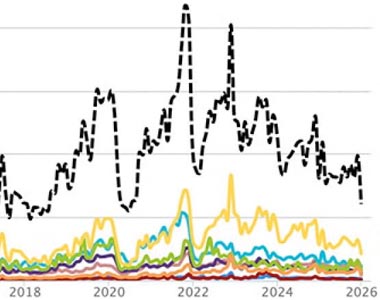
| | | “It is a curious situation that the sea, from which life first arose, should now be threatened by the activities of one form of that life.” — Rachel Carson | | | | | | 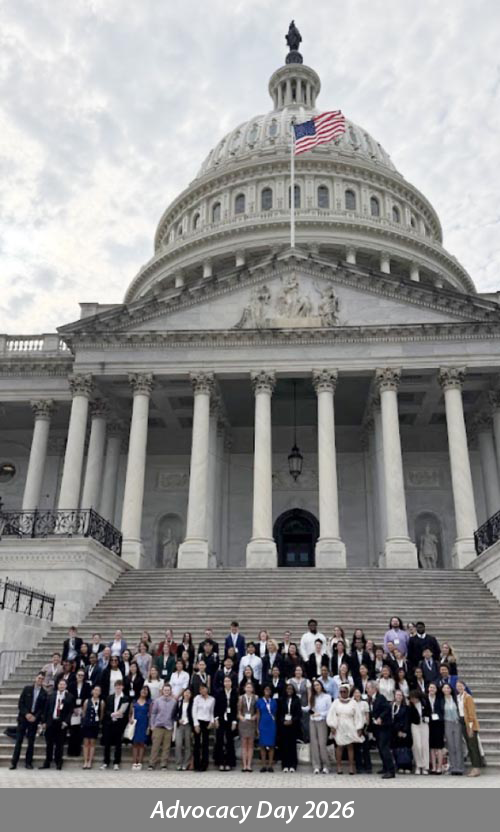 April arrives with motion underway. Across campuses and communities, ideas are carried into classrooms, research, and into advocacy action. And at the center of April, sits Earth Month, a reminder not only of how far the environmental movement has come, but of the responsibility that remains for what needs to be done. April arrives with motion underway. Across campuses and communities, ideas are carried into classrooms, research, and into advocacy action. And at the center of April, sits Earth Month, a reminder not only of how far the environmental movement has come, but of the responsibility that remains for what needs to be done.
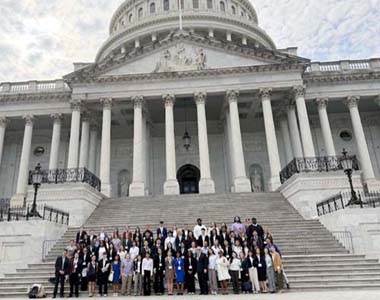
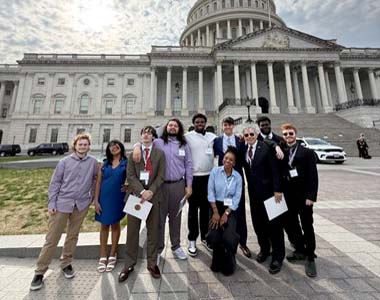
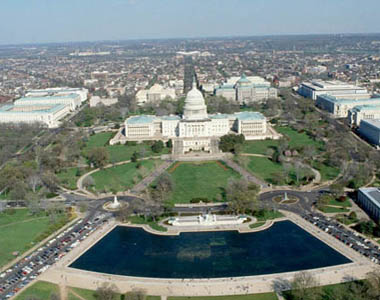
This Spring, that movement came into sharp focus on Capitol Hill, where more than 90 student leaders from across the country gathered for the Rachel Carson Council’s 2026 Advocacy Day. Students arrived from every region of the United States, bringing with them stories rooted in their communities and a shared commitment to environmental justice. Over the course of several days, they stepped into the halls of Congress, translating research, lived experience, and collective momentum into direct advocacy.
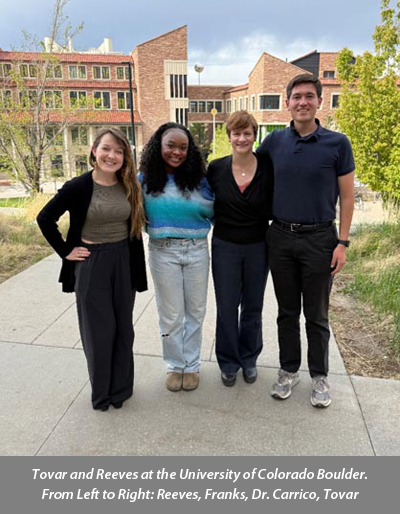 That same spirit of connection and action extends across the Rachel Carson Campus Network. RCC Director of Campus and Civic Engagement, Diego Tovar, and Director of Policy and Strategic Development, Joy Reeves, traveled far and wide to deepen grassroots movements across the country. That same spirit of connection and action extends across the Rachel Carson Campus Network. RCC Director of Campus and Civic Engagement, Diego Tovar, and Director of Policy and Strategic Development, Joy Reeves, traveled far and wide to deepen grassroots movements across the country.
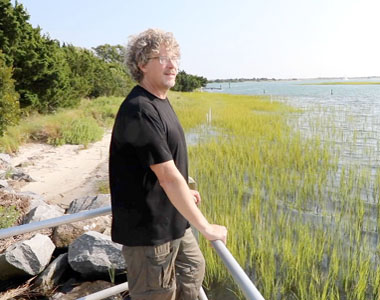
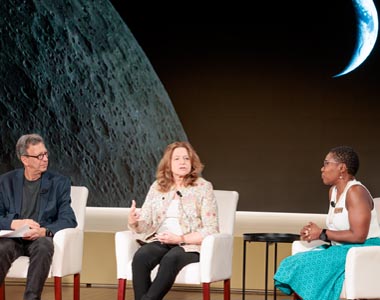
In our Campus Spotlight, we look to Duke University, where coastal ecosystems and marine science show interconnected systems for conservation. At the George Washington University Alliance for a Sustainable Future, students gathered for the Planet Forward Summit to explore how storytelling can serve as a catalyst for climate action, reinforcing the idea that narratives are not separate from policy but central to it.
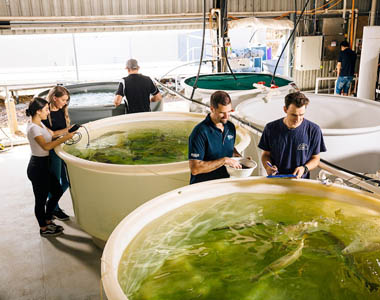
Across institutions, research and innovation continue to push forward. From aquaculture studies tracing food systems across continents, to urban environmental research examining public health and pollution, students and faculty alike are advancing solutions grounded in both science and community impact. Sustainability initiatives—from pollinator gardens to plastic reduction efforts—demonstrate that meaningful change often begins at the local level, with decisions that ripple outward.
Across institutions, research and innovation continue to push forward. From aquaculture studies tracing food systems across continents, to urban environmental research examining public health and pollution, students and faculty alike are advancing solutions grounded in both science and community impact. Sustainability initiatives—from pollinator gardens to plastic reduction efforts—demonstrate that meaningful change often begins at the local level, with decisions that ripple outward.  Yet this progress unfolds alongside continued challenges for higher education and environmental work. Policy shifts targeting diversity, equity, and inclusion, alongside broader pressures on academic freedom and federal research institutions, raise urgent questions about the future of inquiry, access, and truth. At the same time, shifts in climate media coverage and the framing of fossil fuel narratives remind us that the battle for public understanding remains ongoing. Yet this progress unfolds alongside continued challenges for higher education and environmental work. Policy shifts targeting diversity, equity, and inclusion, alongside broader pressures on academic freedom and federal research institutions, raise urgent questions about the future of inquiry, access, and truth. At the same time, shifts in climate media coverage and the framing of fossil fuel narratives remind us that the battle for public understanding remains ongoing.
 Amid these complexities, one constant remains clear. Students are not stepping back. Through advocacy, research, storytelling, and community building, they’re shaping a future that is more just, more informed, and more connected. In this month’s Fellows Speak Out, we see that work reflected in full. From reflections on Earth Day and environmental injustice, to deeply personal essays on place, memory, and responsibility, these stories capture the emotional and intellectual landscape of this moment. They remind us that climate work is not only technical or political. It’s human. Amid these complexities, one constant remains clear. Students are not stepping back. Through advocacy, research, storytelling, and community building, they’re shaping a future that is more just, more informed, and more connected. In this month’s Fellows Speak Out, we see that work reflected in full. From reflections on Earth Day and environmental injustice, to deeply personal essays on place, memory, and responsibility, these stories capture the emotional and intellectual landscape of this moment. They remind us that climate work is not only technical or political. It’s human.
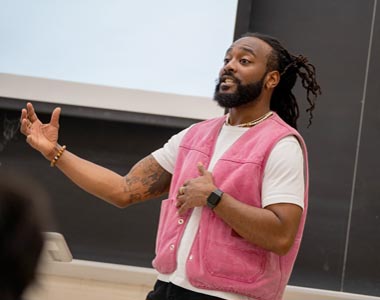
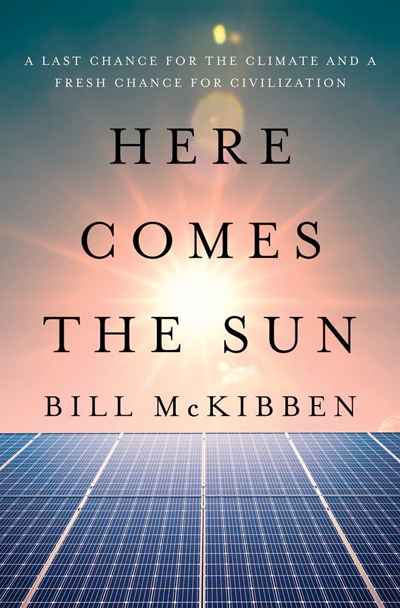
Finally, our Books section features Here Comes the Sun: A Last Chance for the Climate and a Fresh Chance for Civilization by Bill McKibben—a timely reflection on where the climate movement stands today. McKibben points to a shifting global landscape where renewable energy is becoming more accessible, scalable, and central to our collective future. Stay informed. Stay engaged. And join us in amplifying these powerful stories from campuses nationwide. | | | | | | 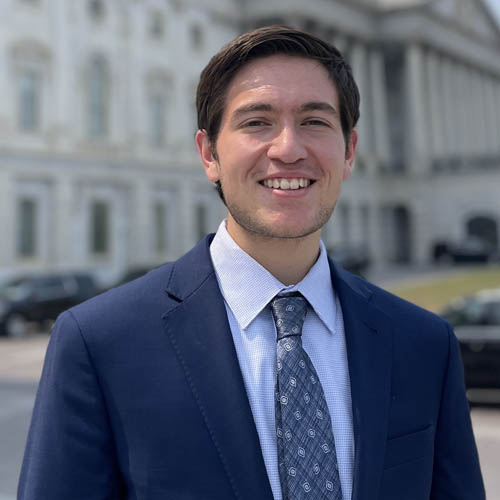 Diego Tovar — Director of Campus and Civic Engagement Diego Tovar — Director of Campus and Civic Engagement
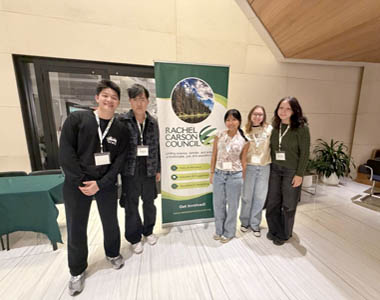
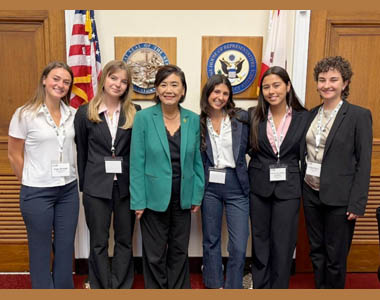
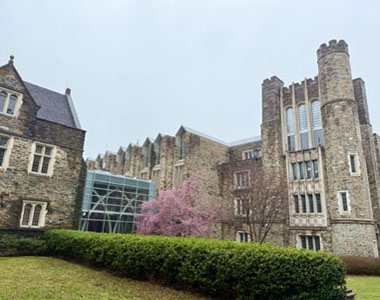
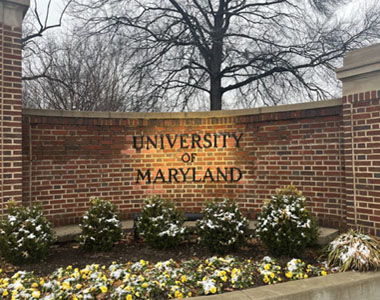
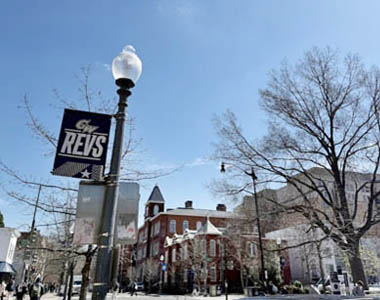
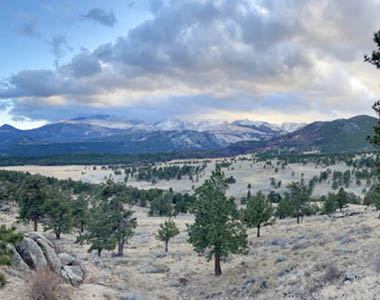
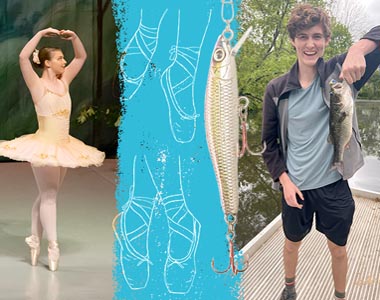
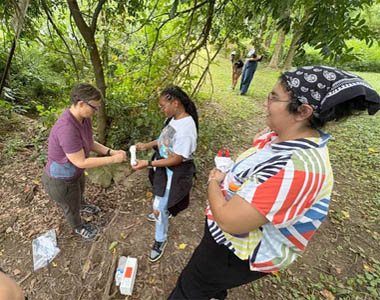
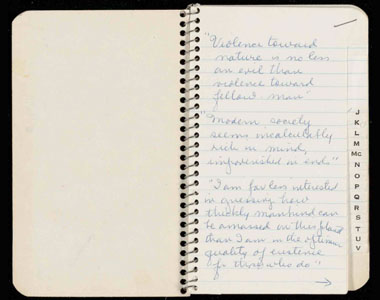
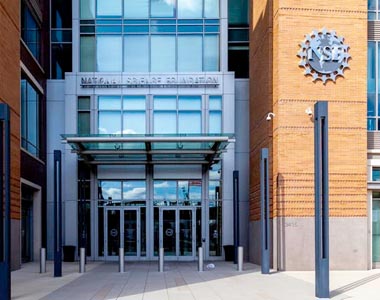
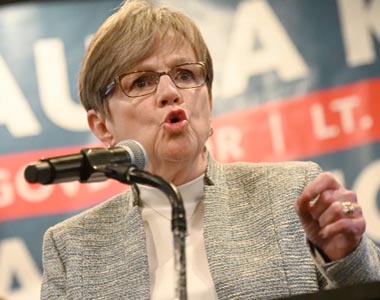
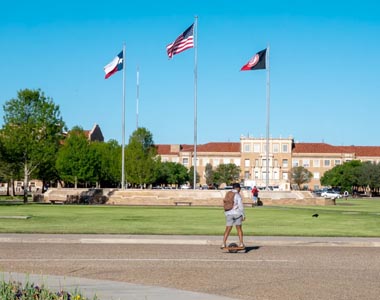
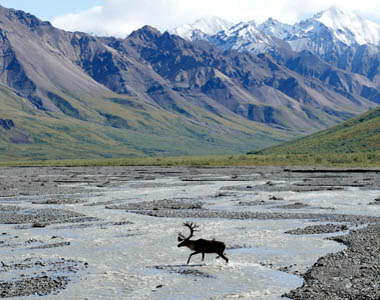
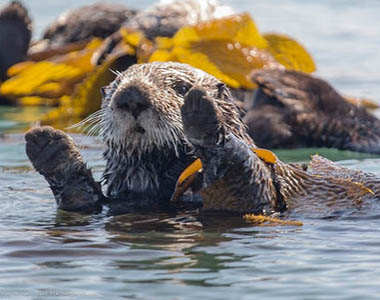
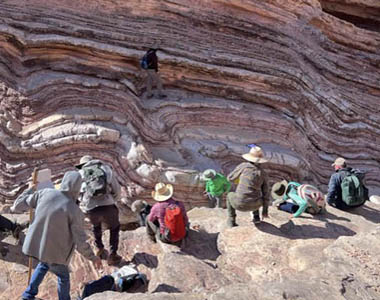
Diego Tovar, Director of Campus and Civic Engagement, holds his master’s in Global Environmental Policy from American University and an undergraduate degree as a Udall Scholar in Ecosystem Science and Sustainability with a minor in Political Communication from Colorado State University. Diego has worked for the White House Council on Environmental Quality, the Environmental Protection Agency, the U.S. House of Representatives, and the Navajo Nation Washington Office focusing on climate justice and climate adaptation. | | | | | | A Chorus on the Hill: RCC’s 2026 Advocacy Day On the morning of March 26th, as spring settled over Washington, D.C. and cherry blossoms bloomed across the capitol beneath soft light and shifting clouds, more than 90 student leaders from across the country gathered with a shared purpose: to step into the halls of Congress and advocate for a more just and sustainable future. The Rachel Carson Council’s 2026 Advocacy Day brought together students from a vibrant network of campuses stretching across all major regions of the United States. | | | | | | | | Catawba College Students Join National Environmental Advocacy Effort on Capital Hill Ten Catawba College students recently represented the College in Washington, D.C., as part of the Rachel Carson Council’s annual Advocacy Day, joining student leaders from across the country to advocate for stronger environmental protections and gain firsthand experience in the policymaking process. The event brought 90 students from 28 colleges and universities to the nation’s capital for a hands-on program focused on environmental policy, civic engagement, and direct advocacy with federal lawmakers. | | | | | | | | Vanderbilt Students Selected For National Environmental Advocacy Day in Washington, D.C. The Rachel Carson Council’s 2026 Advocacy Day aims to bring college students from across the United States together for training in environmental policy, science communication and civic engagement. Five Vanderbilt students were selected to participate in the Rachel Carson Council’s 2026 Advocacy Day March 25-27 in Washington, D.C. The annual event is a hands-on program that trains and mobilizes college students to engage directly with federal lawmakers on urgent environmental issues. | | | | | | | | Pomona Students Participate in Environmental Advocacy Day in Washington, D.C. Five Pomona students traveled to Washington, D.C. to participate in this year’s Rachel Carson Council (RCC) Advocacy Day, a hands-on program that trains and mobilizes young people to engage directly with federal lawmakers on environmental issues. For three days in late March, Bridget Brodie ’27, Kitty Chadwyck-Healey ’27, Malu Estoducto ’27, Fiona Herbold ’26 and Isha Raheja ’27 joined students from 27 other U.S. colleges and universities. | | | | | | | | Climate Profile: Brian Silliman “Study nature, not books,” is one of ecologist Brian Silliman’s guiding principles and favorite phrases. It’s a quote from 19th-century naturalist Louis Agassiz that is (wonderfully, hilariously) on a sign outside a library at Woods Hole Oceanographic Institution in Massachusetts. That’s not to say Silliman doesn’t also love books. The Rachel Carson Distinguished Professor of Marine Conservation Biology and Director of the Duke Wetland and Coasts Center in the Nicholas School of the Environment started his academic career as a double major in history and science at University of Virginia. | | | | | | | | Planet Forward Summit Shows How Storytelling Can Be a Catalyst for Climate Action Students from universities across the country came to the George Washington University last Wednesday through Friday for the 13th annual Planet Forward Summit, where they were encouraged to use storytelling as a tool for building connections and inspiring change at a critical moment for climate action. “This is a turbulent time. You’re here in Washington at a very strange and difficult moment, a very polarized, divided moment in our national experience and history,” said Frank Sesno, founder of Planet Forward. | | | | | | | | RCC Alumni Spotlight: Cassie Varrige Advances Climate Solutions Through Community Development This is the next installment in a Q&A series highlighting the accomplishments of recent RCC Fellowship alumni. The series explores where former RCC Fellows are today and how their time with the Rachel Carson Council influenced their career paths. We sat down with Cassie Varrige, a Management Analyst, to discuss her ongoing work, current passions, and future plans. Varrige received the RCC National Environmental Leadership Fellowship in 2024 and currently works in local government in Skokie, IL. | | | | | | | | Rachel Carson Council Fellow Builds Community at Big Green Tent Zoe Tseng, National Environmental Leadership Fellow (2024-2025) takes her skills and leadership to new heights as the newsletter lead of the environmental start up, Big Green Tent. “The Big Green Tent is more than a newsletter—it’s a home for hope, action, and connection. We bring you inside the sustainability movement through stories of small organizations making a big difference, and we give you the tools to turn inspiration into impact.” –Big Green Tent | | | | | | | | Urban Environmental Science in Practice: Avery Sands on Research, Advocacy, and the Marcuss Fellowship For Avery Sands ’26, environmental science manifests itself in cities, public health, and the environments people interact with every day. A Marcuss Fellow, National Environmental Leadership Fellow with the RCC, student representative on Trinity’s Sustainability Committee and she designed an independent senior honors thesis project investigating whether a Hartford waste incinerator that closed in 2021 might be linked to mercury concentrations in nearby ponds across Hartford County. | | | | | | | | The Assistant Professor of History Reflects on His Research, Teaching and the CEDAR Gallery, a Student-Centered Space He is Developing at UMD. Long before ever taking a class on environmental issues, Jayson Maurice Porter learned a valuable lesson about nature after getting a 72-gallon saltwater fish tank as a teenager. As he tracked pH and salinity, he came to see how the water chemistry, light, rock and living creatures all intermingled—and how even a tiny change to one of those elements could shift the entire ecosystem. | | | | | | | | DKU Faculty Recognized by Duke for Advancing Climate and Sustainability Teaching Two Duke Kunshan University faculty members, Renee Richer, associate professor of biology, and Charles Chang, assistant professor of environmental and urban studies, have been recognized by Duke University for completing the 2024–25 Climate and Sustainability Teaching (CAST) Fellows program and contributing to the Duke Climate Commitment. | | | | | | | | Cultivating the Seas: Aquaculture in America and Australia Aquaculture is defined as “the rearing of aquatic animals or the cultivation of aquatic plants for food” (Merriam Webster Dictionary, n.d.), and the practice has a rich history. Thought to have begun in 3000 BC in China during the Zhou Dynasty with the farming of carp (Alimentarium, 2026), this method of food production has been implemented in countries all around the world to provide citizens with a dependable protein source. | | | | | | | | | | Carolina Connections: Climate Leadership at Duke and UNC A steady February rain settled over Durham as students hurried across Duke University’s gothic campus, collars raised against the cold. The gray skies seemed fitting for conversations about the climate crisis—yet inside lecture halls, meeting rooms, and student gatherings, the energy was anything but gloomy. Across two days of dialogue and organizing, the Rachel Carson Council strengthened its connections with students, scholars, and advocates working to shape a more resilient environmental future. | | | | | | | | | | Terrapin Voices for a Greener Future A cold drizzle poured over the University of Maryland campus as students crossed the red-brick pathways between stately academic halls. Patches of snow lingered along the edges of walkways, remnants of winter clinging to the early days of March. Yet inside classrooms and gathering spaces, the campus buzzed with warmth and curiosity—students and faculty eager to engage with the urgent environmental questions shaping our time. | | | | | | | | Foggy Bottom Connections: Climate Leadership at George Washington University A crisp March chill lingered over the George Washington University (GW) as students hurried between classes under a bright, early spring sunlight. With its campus woven into the fabric of downtown Washington, D.C., GW serves as a natural place for conversations about sustainability, policy, and justice. That commitment is reflected in the university’s sustainability leadership, expressed through the interdisciplinary GW Alliance for a Sustainable Future. | | | | | | | | Rocky Mountain Momentum A crisp April breeze swept across Colorado’s Front Range, the peaks rising sharp against a bright spring sky. From Boulder to Fort Collins, conversations on climate, justice, and storytelling carried both a sense of urgency and a belief in what is possible for our environmental movement. Over several days of engagement, the Rachel Carson Council strengthened its presence at two of Colorado’s leading environmental institutions, University of Colorado Boulder and Colorado State University, deepening partnerships with students, faculty, and community leaders working to build a more just and sustainable future. | | | | | | | | RCC Fulfills Childhood Dream Rose Downey, an RCC activist and Duke student, took part in RCC’s 2026 Advocacy Days, which brought together 90 students from across the country to advocate for environmental health and justice. As a child, Rose wrote about her dream of ending oil spills and protecting the oceans. RCC was proud to help make that dream a reality by giving her the opportunity to raise her voice for the issues she has long cared about. | | | | | | Stony Brook Celebrates Bee Campus USA Designation with New Pollinator Garden Stony Brook University is expanding its commitment to sustainability and biodiversity with the creation of a new pollinator garden in front of the Student Activities Center. The effort also marks the university’s designation as a Bee Campus USA member. Stony Brook earned the designation in January 2025. The recognition highlights institutions that support pollinators through habitat creation, education and sustainable land management practices. | | | | | | | | Duke Drops Short-term Carbon Neutrality, Moves Focus to Net-zero Emissions Goal Duke will step back from its carbon-neutral status, administrators confirmed, opting to redirect millions spent annually on carbon offsets toward campus sustainability initiatives instead. The move means the University will no longer claim carbon neutrality in the short term, but leaders say it will better position Duke to meet its long-term goal of net-zero emissions by 2050. | | | | | | | | Climate Change Media Coverage Fell 14% in 2025 Media coverage of climate change or global warming in seven different regions around the world, from January 2004 through December 2025. (Credit: MeCCO/CU Boulder) In 2025—Earth's third warmest year on record—massive fires destroyed entire neighborhoods in Los Angeles, a deadly heatwave killed more than 24,000 in Europe and powerful storms triggered catastrophic flooding in Southeast Asia. | | | | | | | | Tackling Plastics Pollution Two University of Delaware students from completely different backgrounds recently found common ground in a simple question: Where could they find opportunities to use plastics more sustainably in their daily lives? Caitlyn Edgar, a graduate student studying materials science, knew immediately what to focus on. She trained in ballet for more than 10 years before starting her undergraduate studies at UD. She knows that ballet shoes have short life spans. | | | | | | | | A Town-Gown Partnership Focused on Climate Resilience As climate change spurs extreme heat waves and flooding in Georgia, Agnes Scott College and the city of Decatur are working together to forge solutions. “This isn’t something a city can do alone,” one official said. Since 2022, students from Agnes Scott College have helped place 36 heat sensors across their campus and surrounding Decatur, Ga., in an effort to help researchers analyze and mitigate the risks of extreme heat waves in the area. | | | | | | | | Rare Documents of Pioneering Environmentalist Rachel Carson to Go on Show Silent Springs, Windswept Seas: Rachel Carson’s Environmental Vision will offer an overview of the life and work of biologist and author Rachel Carson at the Beinecke Rare Book and Manuscript Library at Yale University next month. Running May 18 through October 4, the display will feature more than 100 objects, many exhibited for the first time, to showcase Carson’s development as a scientist and author, her environmental insights, and the lasting impact of her work on public awareness and advocacy. | | | | | | | | White House Ousts Entire National Science Board The White House on Friday terminated all members of the National Science Board, which oversees the National Science Foundation, Nature and Science reported. The NSF, which has a nearly $9 billion annual budget, is among the top federal funders of university research. The board has 25 members when it’s at full capacity. | | | | | | | | Kansas Governor Signs Bill to Curb Race-related Instruction at Public Colleges Kansas Gov. Laura Kelly signed legislation Wednesday that will prohibit the state’s public colleges from requiring students to take “DEI-CRT” courses, a move that critics warn could censor classroom instruction. The legislation is part of a wave of bills targeting college classroom instruction related to diversity, equity and inclusion and critical race theory, a decades-old academic framework that in part teaches that racism is systemic. | | | | | | | | Texas Tech System to Nix Programs Focused on Sexual Orientation and Gender Identity Public higher education leaders across Texas have been moving to limit instruction on race, sex and gender over the past year amid intense political pressure. Last year, Texas passed legislation mandating reviews of public colleges’ general education courses and limiting faculty bodies to advisory roles. Gov. Greg Abbott has also declared that the state is targeting professors “pushing leftist ideologies. | | | | | | | | Coverage of the Fossil-Fuel Industry ‘Doesn’t Have to Be This Way’ Michelle Amazeen, who studies advertising, journalism, and misinformation at Boston University’s College of Communication, recently noticed a marked shift in how major news outlets were talking about the energy economy, including the necessity of fossil fuels, the unreliability of renewables, and accountability for major oil and gas corporations. “It made me so mad,” Amazeen told me. “I was so shocked, and I didn’t have a good place to put it.” | | | | | | | | Higher Education Groups Challenge Trump’s Latest anti-DEI Order Trump’s March order is his latest attempt to stamp out DEI initiatives in the higher education sector and elsewhere. Under the directive, federal agencies have until April 25 to insert the new DEI ban into their contracts. The order framed DEI efforts as racially discriminatory activities that lead to “inefficiencies, waste, and abuse” and higher costs for the federal government. | | | | | | | | Commentary: Understand the Scope of Environmental Injustice on Earth Day April 22, 1970, was the birth of the modern environmental movement we call Earth Day. Yet few are aware that Rachel Carson was instrumental in setting the stage for the movement and the Day. In 1962, Carson’s New York Times bestseller “Silent Spring” represented a breaking point in raising public awareness and concern for the environment and public health. The book raised issues about conservation and the environmental problems caused by synthetic pesticides. | | | | | | | | When Shit Goes South The conservationists behind Tuscaloosa’s latest effort to curb a long pattern of sewage spills. “No city in the world has finer water than Tuscaloosa,” reads an article from the May 1899 Tuscaloosa Times. “The river itself dashes over reefs and boulders in the bed which constantly tend to purify the water, were there any cause for pollution.” One hundred and twenty-seven years later, the self-purifying character of the Black Warrior River is harder to believe. | | | | | | | | Lessons from Silent Spring I inherited a copy of Silent Spring from my mother. The pages are dogeared, and her annotations, written before I was born, emphasize passages about the power of life and reproduction. She takes seriously the learning and teaching of care. Whenever she cracks eggs, she breaks the little sack at the top of the shell to make sure all the white slips out. The hen worked hard, she says. I remember in pre-school telling my classmate her tuna sandwich wasn’t healthy. My parents operated under a one tuna fish sandwich a week policy to avoid mercury poisoning, but I didn’t comprehend their reasoning. | | | | | | | | A Letter Across Time In about a month, my time as a National Environmental Leadership Fellow (NELF) will come to a close. Around the same time, I will finish my term as the University of Connecticut’s (UConn) first-ever Chinese student body president. A month after that, I will wrap up my third year working as a sustainability intern at UConn’s Office of Sustainability and graduate with dual honors degrees in economics and environmental sciences. | | | | | | | | Spring Peepers and the Songs of the Season When I was a young girl, I knew that spring was around the corner when my parents started opening the windows in the evening. Fresh, cool air would breeze into our house, carrying a faint scent of rain and earthy soil. Along with the return of flowers and birds, the warmer weather also brought the vernal pool behind our house back to life. Once covered with winter ice and snow, the vernal pool turned into a thriving wetland ecosystem filled with wildlife. Every night, I would stare out the window into the dark, listening closely for a distinct “peep…peep…peep” in the distance. | | | | | | | | Perspectives from the Park I’ve always been a pretty bad procrastinator. That, along with a few readings on my to-do list, was why I was only beginning to pack at 10 p.m. for my first ever solo trip. I’d had my computer on “Do Not Disturb” while I was working, but as I began folding up my pajamas for my weekend expedition, I noticed a missed text pop up in the corner of my still-open computer. The unsuspecting text read: “Your booking has been affected by a schedule change. Click here to check the options available to you.” | | | | | | | | An Abundance of Nothing The wind lifts me, carrying me over an open horizon that feels endless. I take in the scene soaring over the blue painted canvas. The ocean stretches in all shades of blue, shifting and folding over itself, hiding everything that hunts as well as everything that is hunted. I steady and embrace my wings, hugging the air around me. Is this freedom? That’s when a slight tint of white almost silver, meets with the blue: a mackerel. It’s an unconscious feeling to lock in. My wings fold inward and the wind disappears. The air hardens against my body as I slice downward. | | | | | | | | Oyster Futures As a Marylander, I have always appreciated the Chesapeake Bay. My resonance with the seafood–blue crabs and oysters of the Bay–has always been strong despite being a vegetarian since birth. It is impossible to reside in Maryland without feeling a sense of pride for not only these aquatic species, but the ecosystem which breathes life into them. The Chesapeake Bay is Maryland’s jewel, the largest estuary in the entire world. It is an economic staple for states in its watershed, supporting 20,000 jobs annually and producing billions in revenue through seafood sales, tourism, and recreation. | | | | | | | | I Don’t Want To Change The World “I don’t want to change the world. I just want to keep our air and water clean.“ This comment on the margins of a New York Times article reporting on the repealing of the Endangerment Finding caught my eye. It was self-effacing, but far from modest in its demands; in two sentences, it showed how some of the most basic hopes to care for this world are incredibly difficult battles to fight. In the past year, I went pescatarian for environmental reasons. I became a National Environmental Leadership Fellow with the Rachel Carson Council, advocating for green policy on Capitol Hill. | | | | | | | | All That Is Fleeting It is a most uncommon time to be a young person. People say this to me in conversation almost as often as I think it myself. Circumstances are unprecedented like never before, and we are fighting environmental battles which we have never previously been required to win. It feels odd, then, that I might offer discussion on delight in this heavy and unsettled moment. But are joy and sorrow not inextricably linked? It would be inauthentic of me to pretend that that which has the potential to bring me the most sadness is not ultimately rooted in the impermanence of the things I love the most. | | | | | | | | Opening the Arctic The U.S. is on a path to unlock Alaska’s resource potential, but at what cost? The Trump administration is implementing its plans to open up a record amount of the Arctic to oil and natural gas drilling. However, while oil companies will be satisfied with their deeper pockets, the diverse wildlife, complex ecosystems, and local Indigenous communities will bear the brunt of these ventures. The National Petroleum Reserve in Alaska was originally designated in 1923 as an emergency oil supply for the U.S. Navy. | | | | | | | | There Are No Barriers Between Land And Sea Imagine being a happy sea otter in the Monterey Bay National Marine Sanctuary, living your whole life within a few miles of the same rocky coastline. Swimming around on your back, playing with friends, and eating tasty sea urchins. From the ocean, sea otters have no idea that the same coast is a major agricultural producer of strawberries, artichokes, and leafy greens. This agriculture produces a significant amount of chemical runoff that goes straight into the ocean and contaminates marine mammal habitats. | | | | | | | | Paws Off of Big Bend National Park Hiking through the natural landscape at Big Bend National Park is quite spectacular, aside from the cacti, which I am not a fan of! As a Geoscience major attending a university in Texas, I took numerous field trips to this national park. While there, we spent time identifying and mapping various geologic formations, working towards developing our skills as future geologists. These field trips were not like what you remember from elementary school, where students load up on the yellow bus. We were full-on camping. | | | | | | | | From Tunnels to Testimony: Why Showing Up Still Matters The hum of Logan Airport faded behind me as I boarded my flight from Boston to Washington, D.C., a quiet anticipation settling in. I was not just traveling. I was heading toward something I had been preparing for, something that felt both urgent and uncertain. The Rachel Carson Council’s Advocacy Days would bring together students from across the country, many of whom I had come to know through the RCC National Environmental Leadership Fellowship, all converging in a place where decisions carry weight far beyond the room in which they are made. | | | | | | | | Here Comes the Sun: A Last Chance for the Climate and a Fresh Chance for Civilization Bill McKibben (W.W. Norton & Company, 2025) In Here Comes the Sun, Bill McKibben reframes the climate conversation around a simple but transformative reality: the clean energy transition is no longer hypothetical, and it’s already underway. Centering the rapid rise of solar power, the book argues that for the first time in decades, the fight against climate change carries a real, tangible path forward.
What makes the book compelling is its grounded optimism. McKibben doesn’t ignore the scale of the crisis; instead, he shows how falling costs, global adoption, and technological breakthroughs have made renewable energy cleaner, cheaper, and more scalable than fossil fuels. The challenge, he argues, is no longer invention, it’s implementation.
At its core, Here Comes the Sun is a call to shift mindset as much as policy. It asks readers—and especially advocates—to move beyond resistance alone and toward actively constructing the systems that will define a livable future. In doing so, the book offers something rare in climate writing: a sense that hope is not naive, but earned, and that this moment, if met with urgency, could reshape the trajectory of our world. Purchase Here | | | | | | RCC prides itself on its National Campus Network of more than 90 colleges and universities. We are working to engage faculty members, students, and administrators in our efforts for a more just and sustainable world. With our growing fellowship program, our presence on campuses across the country has never been greater. Contact RCC today to bring our staff to your campus for lectures, workshops, or meetings to help find the best ways to engage your faculty and students in the efforts against climate change, environmental justice, and the work of the Rachel Carson Council. Campus Visits with RCC President, Dr. Robert K. Musil 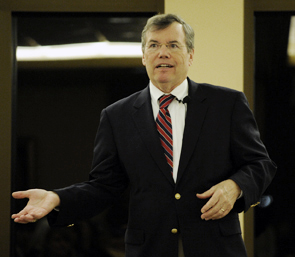 RCC President & CEO, Dr. Robert K. Musil, a national leader in climate change, environmental justice and health is available to book for in-person campus speaking events! Musil has been called “informative, challenging and inspirational all at once.” He is “motivational” with “intellectual depth” and “extraordinary impact.” RCC President & CEO, Dr. Robert K. Musil, a national leader in climate change, environmental justice and health is available to book for in-person campus speaking events! Musil has been called “informative, challenging and inspirational all at once.” He is “motivational” with “intellectual depth” and “extraordinary impact.”
Dr. Musil offers compelling campus lectures and visits involving classes, meetings with campus and community groups, consultations with faculty and administrators, or for Earth Day, Commencement, and other special events. Stays range from one to three days. Reduced fees are in place for 2026-2027 and can be designed to meet reduced budgets. To arrange a campus visit with Dr. Musil, contact the RCC President’s Office at [email protected] The RCC also offers talks, classes, and workshops on student engagement, activism, sustainability, and the RCC Fellowship program with: Director of Communications, Sydney O'Shaughnessy; Director of Campus and Civic Engagement, Diego Tovar; and Director of Policy and Strategic Development, Joy Reeves. To arrange, contact Director of Campus and Civic Engagement, Diego Tovar. | | | | | | The April issue of RCC's Campus Dispatch was produced by Ross Feldner | | | |  Sign Up Here to Receive the RCC E-News and Other RCC Newsletters, Information and Alerts. Sign Up Here to Receive the RCC E-News and Other RCC Newsletters, Information and Alerts. | | | | | | | | | | | |