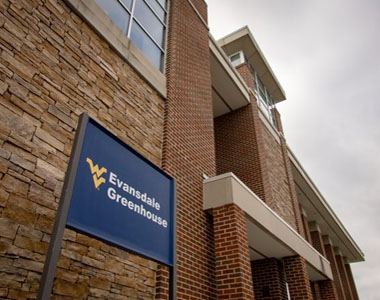
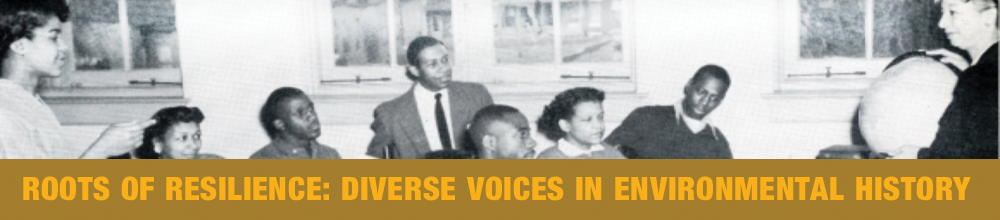
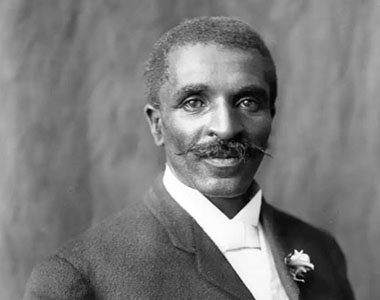
| | | “It is not half so important to know as to feel.” —The Sense of Wonder, Rachel Carson | | | | | | February arrives with that familiar tension of late winter, when the world still feels held in place by cold, yet everything is preparing to leap to springtime. Research is moving from proposal to practice. Student leaders are refining campaigns, securing funding, and translating ideas into measurable change. Winter may still hold the landscape in place, but across the country, momentum is building. In the spirit of Black History Month, we honor the Black leaders, thinkers, organizers, and scientists who have shaped environmental justice, agricultural resilience, and public health. At the Rachel Carson Council (RCC), we treat Black History Month not as a commemorative pause, but as a call to sharpen our commitments: to equity, to truth, and to the stories that push institutions toward accountability. 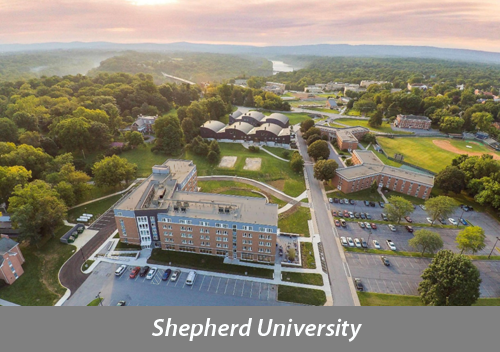 This month, the Rachel Carson Council returns to campuses where environmental leadership is taking root in distinct and powerful ways. In our Spotlight on RCC Campuses, we visit Shepherd University, where the Potomac River and Appalachian foothills frame a campus deeply engaged in the intersections of climate justice and agriculture. We also highlight New York University, where we continue our connection to foster the next generation of environmental leaders. In Virginia’s capital, the University of Richmond continues to connect sustainability scholarship with student leadership and community impact. And at St. Mary’s College of Maryland, we bring creative practice into advocacy spaces. This month, the Rachel Carson Council returns to campuses where environmental leadership is taking root in distinct and powerful ways. In our Spotlight on RCC Campuses, we visit Shepherd University, where the Potomac River and Appalachian foothills frame a campus deeply engaged in the intersections of climate justice and agriculture. We also highlight New York University, where we continue our connection to foster the next generation of environmental leaders. In Virginia’s capital, the University of Richmond continues to connect sustainability scholarship with student leadership and community impact. And at St. Mary’s College of Maryland, we bring creative practice into advocacy spaces. Campuses nationwide are advancing research, partnerships, and hands-on solutions. At North Carolina State University, Professor Megan Lupek is recognized with the 2025–26 Outstanding Teacher Award for her exceptional contributions to environmental education. At Duke University, new concurrent degree programs between the Nicholas School of the Environment and the Divinity School bridge theological study and environmental management, reflecting a growing recognition that climate work spans disciplines and values. 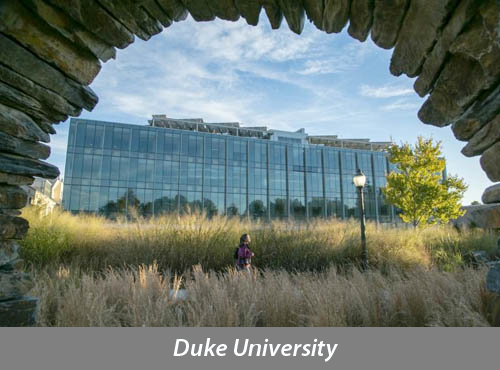 Major investments are strengthening conservation science as well. The Institute for Ocean Conservation Science at Stony Brook University has received a $1.6 million gift to expand innovative aquatic research. Yale University’s Bird-Friendly Building Initiative earns international recognition for advancing sustainable design through cross-sector partnerships. At Miami University, grants and community gifts are helping maintain more than 1,000 acres of natural areas open to students and the public. And at NYU, students are tackling textile waste through hands-on sustainable fashion workshops, proving that climate action often begins with everyday choices. Major investments are strengthening conservation science as well. The Institute for Ocean Conservation Science at Stony Brook University has received a $1.6 million gift to expand innovative aquatic research. Yale University’s Bird-Friendly Building Initiative earns international recognition for advancing sustainable design through cross-sector partnerships. At Miami University, grants and community gifts are helping maintain more than 1,000 acres of natural areas open to students and the public. And at NYU, students are tackling textile waste through hands-on sustainable fashion workshops, proving that climate action often begins with everyday choices. Yet February’s progress unfolds alongside continued political turbulence for higher education. The Trump administration has dropped its appeal over a $1.2 billion demand from the University of California system, while simultaneously suing Harvard University for admissions data as part of a broader investigation into race-conscious policies. The Education Department has announced plans to eliminate race-based criteria from the McNair Program, part of a wider effort targeting diversity-focused initiatives. Questions of academic freedom remain central. Medical researchers have secured a binding agreement to prevent the removal of DEI-related scholarship from federal websites, while faculty across the country warn that new state laws and federal interventions risk narrowing the boundaries of protected inquiry. In Congress, Senators Elizabeth Warren and Bernie Sanders have called for a GAO investigation into the dismantling of the Department of Education. Amid these pressures, student leadership continues to deliver measurable impact. At West Virginia University, a student-led initiative has brought solar installation on the Evansdale Campus closer than ever to reality. George Washington University has met its fossil fuel divestment commitment and is on track to achieve interim carbon neutrality goals. And internationally, the historic Biodiversity Beyond National Jurisdiction Agreement—underpinned by Oregon State University science—has officially taken effect, marking a milestone for global ocean protection. 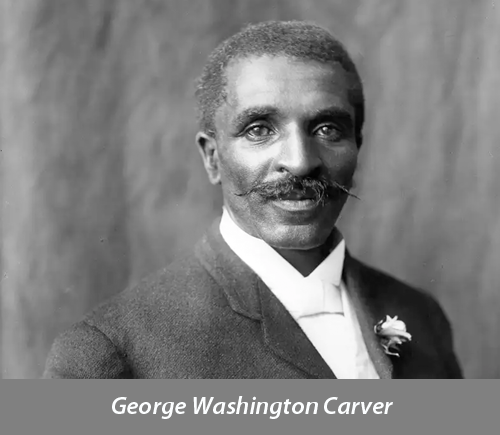 In Roots of Resistance, we honor George Washington Carver, whose agricultural science centered soil restoration, community self-reliance, and long-term ecological health. His legacy offers a reminder that innovation and equity have long been intertwined in the struggle for environmental justice. In Roots of Resistance, we honor George Washington Carver, whose agricultural science centered soil restoration, community self-reliance, and long-term ecological health. His legacy offers a reminder that innovation and equity have long been intertwined in the struggle for environmental justice.
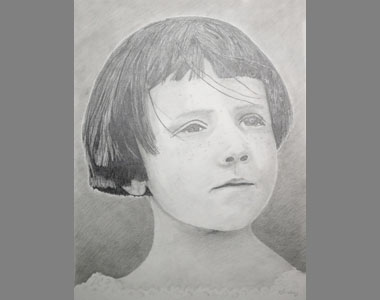
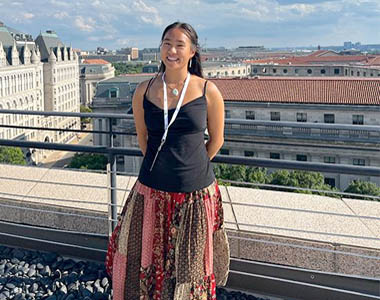
This month’s RCC Fellows Speak Out stories reflect that same range of inquiry and imagination. From the quiet persistence of “Living Lichen,” to river restoration, landfill accountability, pesticide exposure, ocean debris, campus debates, and personal reckonings with climate disruption, our RCC Fellows capture the intellectual and emotional terrain students are navigating right now. 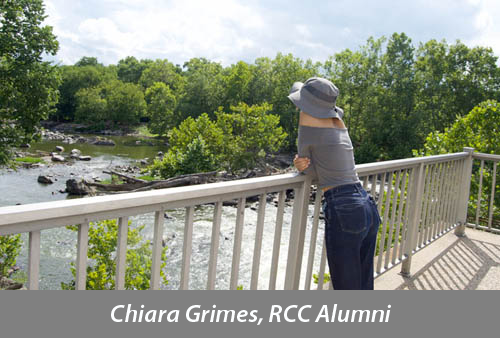 We also celebrate creative and leadership milestones across the network: Katie Lindsay’s striking portrait of a young Rachel Carson; Seaver College senior Belle Li’s recognition as a 2025–26 National Environmental Leadership Fellow; and our first Alumni Spotlight conversation with Chiara Grimes, who continues to advance the Rights of Nature movement. We also celebrate creative and leadership milestones across the network: Katie Lindsay’s striking portrait of a young Rachel Carson; Seaver College senior Belle Li’s recognition as a 2025–26 National Environmental Leadership Fellow; and our first Alumni Spotlight conversation with Chiara Grimes, who continues to advance the Rights of Nature movement.
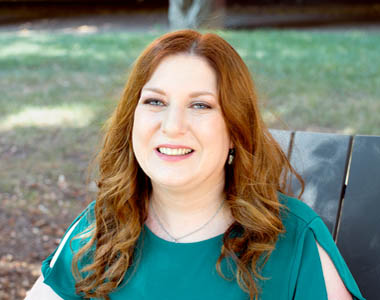
Finally, our Books section features Hiking Zen: Train Your Mind in Nature by Phap Xa and Phap Luu—a timely reflection on attention, resilience, and the practice of steadiness in a distracted world. At a moment when institutions and individuals alike are navigating uncertainty, the book’s emphasis on presence and disciplined awareness feels particularly resonant. As the start of the Spring Semester begins, the challenges facing higher education are growing. But so is the work being done to bring a just, sustainable future across community. Stay informed. Stay engaged. And join us in amplifying these powerful stories from campuses nationwide. | | | | | | 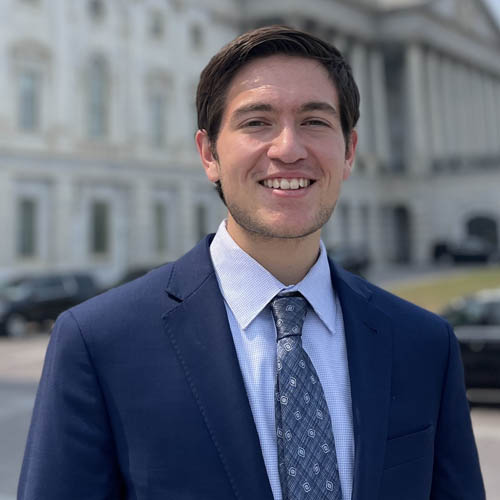 Diego Tovar — Director of Campus and Civic Engagement Diego Tovar — Director of Campus and Civic Engagement
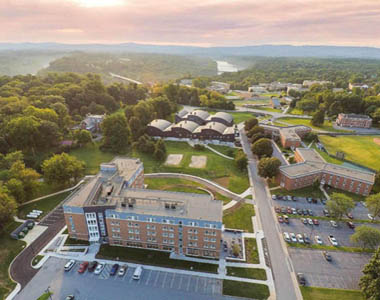
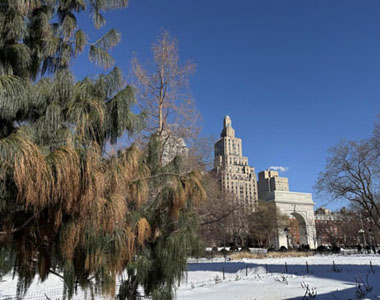
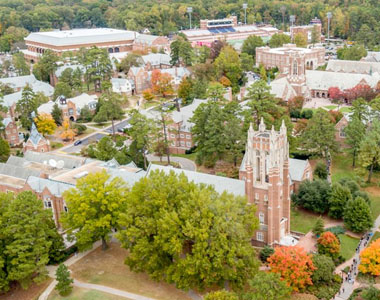
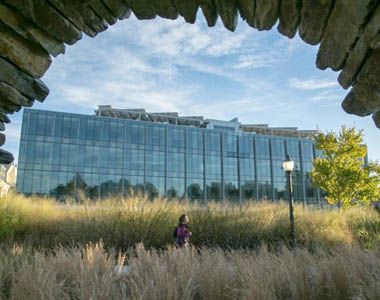
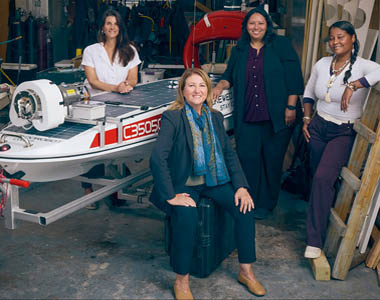
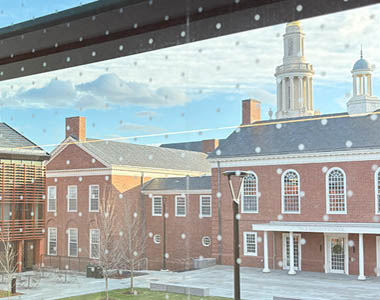
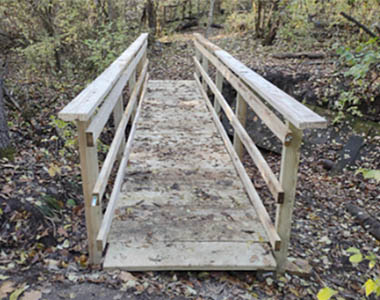
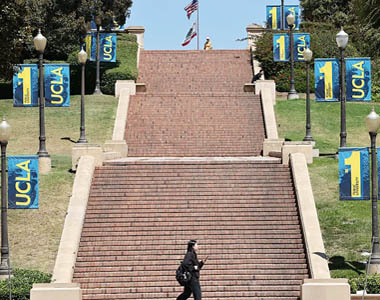
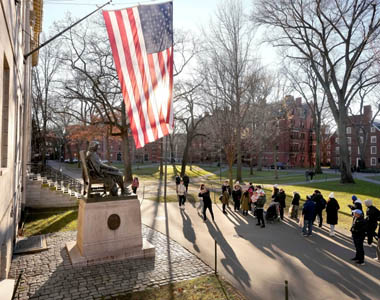
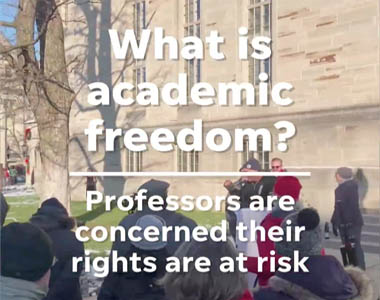
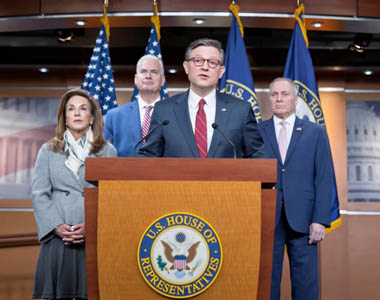
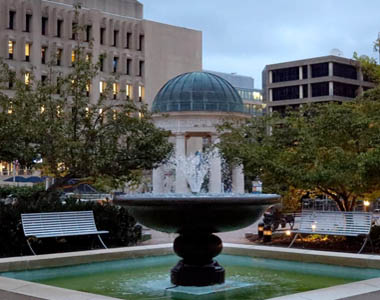
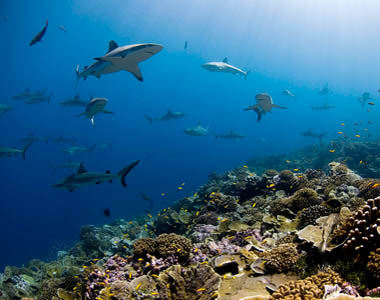
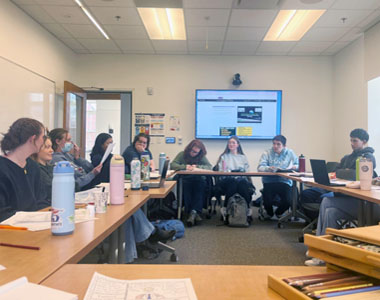
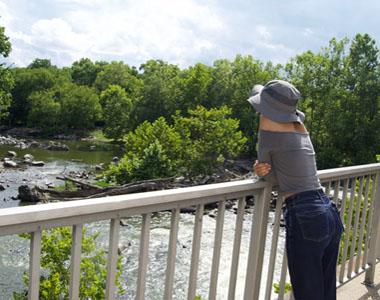
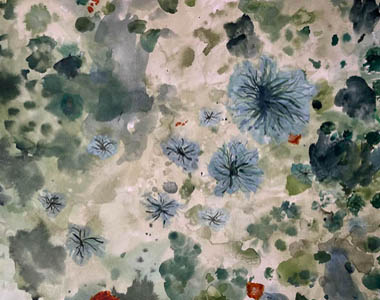
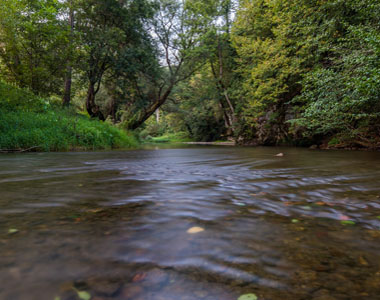
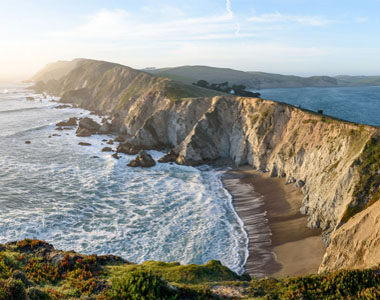
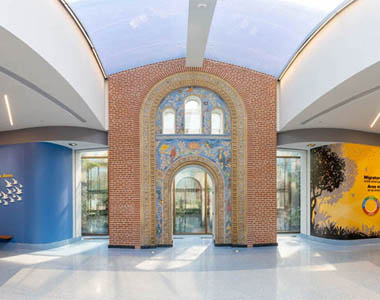
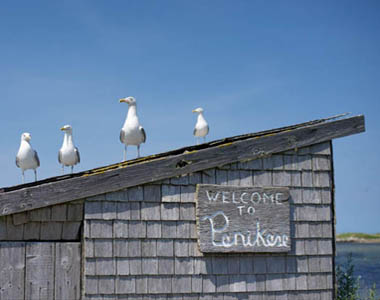
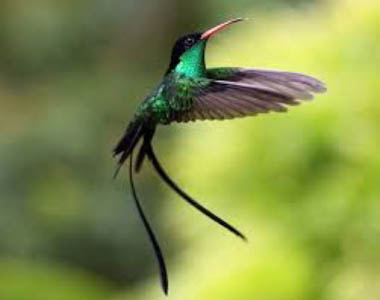
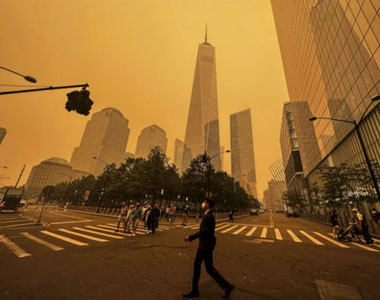
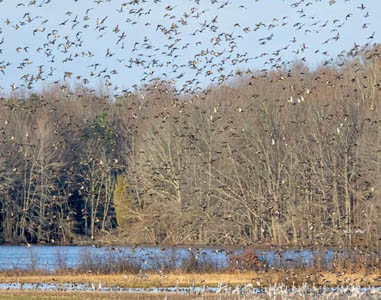
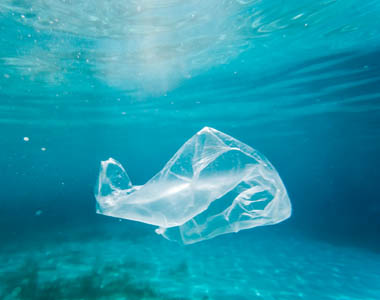
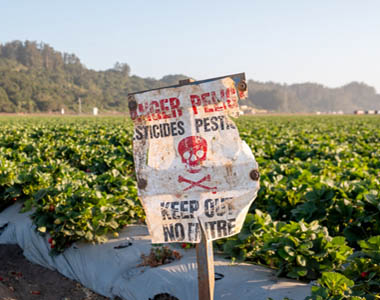
Diego Tovar, Director of Campus and Civic Engagement, holds his master’s in Global Environmental Policy from American University and an undergraduate degree as a Udall Scholar in Ecosystem Science and Sustainability with a minor in Political Communication from Colorado State University. Diego has worked for the White House Council on Environmental Quality, the Environmental Protection Agency, the U.S. House of Representatives, and the Navajo Nation Washington Office focusing on climate justice and climate adaptation. | | | | | | Cultivating Climate Leadership from Field to Campus Nestled along the Potomac River and framed by rolling Appalachian foothills, Shepherd University sits at the intersection of land, learning, and community. With deep roots in environmental stewardship and applied science, Shepherd is uniquely positioned to explore how climate justice, agriculture, and civic engagement intersect. During a recent visit, the Rachel Carson Council saw firsthand how Shepherd’s landscape and students are shaping a new generation of environmental leaders. | | | | | | | | Momentum in Manhattan: Deepening Partnerships at NYU In the vibrant streets of Greenwich Village, New York University (NYU) continues to prove what climate leadership can look like in the heart of a dense, fast-moving city. With a long-term commitment to carbon neutrality by 2040, NYU has paired ambitious goals with tangible action—investing in energy efficiency upgrades, renewable energy purchases, and campus-wide waste reduction efforts. | | | | | | | | Building Environmental Leadership in Richmond In the heart of Virginia’s capital, the University of Richmond sits along the James River, the longest river in the Commonwealth, flowing from the Appalachian Mountains to the Chesapeake Bay. Like the river itself, the University is shaped by movement, connection, and stewardship, blending sustainability-focused learning and programming with student leadership and a growing commitment to environmental responsibility. Across campus, Richmond is building clear pathways for students to connect academic work with tangible impact in their communities. | | | | | | | | Environmental Sciences Professor Honored With Outstanding Teacher Award Megan Lupek, an associate teaching professor of forestry and environmental resources in the College of Natural Resources, has been selected as a recipient of North Carolina State University’s 2025-26 Outstanding Teacher Award. The Outstanding Teacher Award recognizes NC State faculty for exceptional teaching and contributions to student learning; recipients are members of the Academy of Outstanding Teachers for the duration of their tenure. | | | | | | | | New Concurrent Degree Programs With Nicholas School of the Environment and Duke Divinity School The Nicholas School of the Environment and Duke Divinity School have announced two new concurrent degree programs at the intersection of theological studies and environmental issues. The Master of Theological Studies/Master of Environmental Management or Master of Forestry (MTS/MEM or MF) and the Master of Divinity/Master of Environmental Management or Master of Forestry (M.Div./MEM or MF). | | | | | | | | Institute for Ocean Conservation Science Receives $1.6 Million Gift to Support Research The Institute for Ocean Conservation Science (IOCS) at the State University of New York at Stony Brook has received a $1.6 million gift to establish a research fund that will further the institute’s excellence through innovative and environmentally responsible aquatic research. Founded in 2003 with a clear mission to advance ocean conservation through science, the IOCS is a vital contributor to the university’s mission of leveraging innovative research and education to create a better future for the global community. | | | | | | | | Yale Bird-Friendly Building Initiative Wins International Excellence Award Yale University’s Bird-Friendly Building Initiative, a project that aims to accelerate the adoption of bird-friendly design in the built environment, has been recognized with a 2025 Excellence Award by the International Sustainable Campus Network (ISCN). Yale won in the Partnerships for Progress category, which honors collaborations that engage external partners—from nonprofits to government to private industry—to disseminate knowledge, research, and best practices in ways that will benefit the communities they serve. | | | | | | | | Grants, Gifts Help Keep the Miami University Natural Areas Open For All A $5,300 grant from the Greater Oxford Community Foundation will support bridge and trail improvements in the Miami University Natural Areas, a 1,000 acre greenbelt that provides 22 miles of trails for students and community members. The Natural Areas also recently received a donation of $15,000 from an area resident who wishes to remain anonymous. | | | | | | | | How NYU Students Are Expanding Access to Sustainable Fashion From mending denim to learning machine sewing, students are rethinking fashion through repair and reuse. In a typical week at NYU, a classroom on 370 Jay St. is filled with students threading sewing needles, patching worn denim and learning how to use sewing machines for the first time. The workshops are part of Future Fashion Frontier, a student-led initiative launched by NYU’s sustainable fashion club Future Fashion Group that highlights sustainable practices by diverting waste from landfills, promoting reuse and expanding education. | | | | | | | | Trump Administration Drops Appeal Over Its $1.2B Demand From UC System The federal government agreed to no longer challenge an injunction that blocked its mass grant cancellations and hefty payment demand. Dropping the appeal represents another legal setback for the administration as it targets high-profile colleges under civil rights laws, a strategy that has elsewhere — including at Columbia and Northwestern universities — resulted in deals with monetary penalties and policy changes attached. | | | | | | | | Justice Department Sues Harvard For Data as It Investigates How Race Factors Into Admissions The Trump administration is suing Harvard University, saying it has refused to provide admissions records that the Justice Department demanded to ensure the Ivy League school stopped using affirmative action in admissions. In a lawsuit filed Friday in federal court in Massachusetts, the Justice Department said Harvard has “thwarted” efforts to investigate potential discrimination. It accused Harvard of refusing to comply with a federal investigation and asked a judge to order the university to turn over the records. | | | | | | | | | | Education Department to Nix Race-based Criteria For McNair Program The Education Department’s plans to overhaul the eligibility criteria for the program mark the latest move by the Trump administration to stamp out race-based scholarships and programs in higher education. In December, the U.S. Department of Justice issued a legal memo declaring that several of the Education Department’s grant programs for underrepresented students and minority-serving institutions were unconstitutional because of their racial or ethnic criteria. | | | | | |  | | | Medical Researchers Win Permanent Restoration of Research on Federal Website Nearly a year after their scholarly research about endometriosis, suicide risk, and patient safety was removed from a government-hosted website because it included references to the LGBTQ+ community, two university researchers have secured a binding agreement requiring the government to maintain the court-ordered restoration of their and others’ work. The agreement prohibits the federal government from removing more research from the website in the future for the same ideological reasons. | | | | | | | | | | | | Warren, Sanders Want GAO to Investigate Education Department Dismantling Sens. Elizabeth Warren and Bernie Sanders are petitioning the Government Accountability Office to investigate the dismantling of the U.S. Department of Education. In a letter first obtained by ABC News, the two senators call for nonpartisan congressional watchdog to conduct a comprehensive investigation into the department winding down its functions and transferring offices to other agencies. | | | | | | | | Congress Has Passed an Education Budget. See How Key Programs Are Affected After more than a year of uncertainty over how a Republican-controlled Congress under President Donald Trump would change federal education funding, lawmakers on Tuesday approved a fiscal 2026 budget that maintains level funding for virtually every existing K-12 program. The House voted 217-214 on Feb. 3 to approve a package of five spending bills the Senate had already voted to support, including for the U.S. departments of Education and Health and Human Services. | | | | | | | | Solar Panels Are on the Horizon For WVU Evansdale Campus Thanks to Student Efforts A student-led effort to add solar power to the West Virginia University campus has been making headway in recent years, and it’s closer than ever to becoming a reality. The project is being spearheaded by Student Government Association president Colin Street, a junior in the Davis College of Agriculture and Natural Resources majoring in political science, environmental energy resources management, and multidisciplinary studies. | | | | | | | | GW Meets 2025 Fossil Fuel Divestment Goal, Set to Hit Interim Carbon-neutrality Target By Year-end Officials met their pledge to phase out fossil fuel investments in GW’s endowment and plan to reach their interim carbon-neutrality target by the end of 2025. A Monday sustainability announcement provided an update on GW’s 2020 commitments, which officials made after years of student protests, including divesting from fossil fuel companies by 2025, achieving carbon neutrality by 2030. | | | | | | | | Historic Ocean Treaty Underpinned by Oregon State University Science Takes Effect Jan. 17 Less than two years after OSU scientists led the publication of a landmark marine protected area guide in Science, the United Nations in June 2023 adopted the text of the treaty. The treaty’s aim is to safeguard and sustainably use the high seas, the two-thirds of the ocean not under individual nations’ control. Known officially as the Biodiversity Beyond National Jurisdiction Agreement, the treaty was under discussion for more than two decades. | | | | | | | | George Washington Carver: Soil, Science, and the Power of Restoration Born into slavery in the final years of the Civil War, George Washington Carver would go on to become one of the most influential agricultural scientists in American history. Raised during Reconstruction and educated against extraordinary odds, Carver devoted his life to understanding plants not simply as commodities, but as partners in restoring land and livelihoods. | | | | | | | | A Comic is Worth A Million Words: RCC Leads Art-Advocacy Workshop at St. Mary’s College of Maryland If a picture is worth a thousand words, what is a comic worth? On February 12th, Rachel Carson Council Director of Policy and Strategic Development Joy Reeves led a second climate cartooning workshop at St. Mary’s College of Maryland. Students learned about the intersections of art and advocacy and spent the second half of class trying it out for themselves in an interactive ideation and drawing session (gallery attached). | | | | | | | | Young Rachel Carson This sketch of a young Rachel Carson was created by Katie Lindsay, a student at Western Piedmont Community College in Morganton, North Carolina. Drawing inspiration from a historical photograph of Carson, Katie’s work reimagines the early years of a writer and scientist whose courage reshaped environmental awareness in America. The portrait reminds us that leadership begins somewhere, often with curiosity, observation, and a willingness to speak truth when it matters most. | | | | | | Seaver College Student Belle Li Awarded Rachel Carson Council National Environmental Leadership Fellowship Seaver College senior Belle Li has been awarded the Rachel Carson Council National Environmental Leadership Fellow (RCC NELF) for the 2025–26 year. The prestigious program, in namesake of American marine scientist and influential writer Rachel Carson, recognizes college students nationwide with a passion for environmentalism who have made tangible and valuable contributions in stewardship of our natural world and its citizens. | | | | | | | | RCC Alumni Spotlight: Chiara Grimes Fights for the Rights of Nature This is the first installment in a Q&A series highlighting the accomplishments of recent RCC fellowship alumni. The series explores where former RCC fellows are today and how their time with the Rachel Carson Council influenced their career paths. We sat down with Chiara Grimes, a master’s degree student at George Mason University, to discuss her ongoing work, current passions, and future plans. | | | | | | | | Living Lichen I dare you to look down. Not down at your screen but further, to where a bundle of color blooms flat on a rock. Or on a tree, or paving stone. Welcome to the world of lichen. Here, several millimeters over a barren surface, something thrives. Lichen is not a blink-and-you’ll-miss-it kind of thing. Lichen is not any one thing at all. Unlike mosses, which are an ancient phylum of plants, lichens don’t fit neatly into any category we have for life forms because lichen is not one thing but instead a symbiotic interaction. | | | | | | | | Reviving Our Rivers The South River was once a free-flowing tidal estuary, stretching just 15 miles inland from the Atlantic Ocean on the coast of Massachusetts. In 1640, the South River became the centerpiece of the newly established town of Marshfield. Around this same time, a dam was constructed on the river to power a gristmill for local farmers. From this point on, the natural flow of the South River was blocked. Over the next few hundred years, the dam eventually became a sawmill that operated from the mid-1800s to the early 1900s. | | | | | | | | Change, the Dreaded Constant: Conserving Point Reyes National Seashore Clutching the carpeted seat beneath me, focused on slow deep breaths, and straining my neck to get a clear view of the road ahead of me, I wasn’t sure my destination was worth the car sickness. When we stopped to eat bagged lunches at the Golden Gate Bridge, the journey from Santa Cruz to Point Reyes seemed to be moving at a glacial, torturous pace. The crisp autumn air in the foggy mystique surrounding the bridge at least began to calm my stomach. | | | | | | | | The Smithsonian’s $69 Million Dollar Exhibit The Smithsonian’s new Bird House is an impressive scientific space, designed to educate visitors about bird migration, conservation, and the ecological roles of birds across the Americas. For first-time visitors, it is clear that immense care went into creating immersive habitats, sustainability upgrades, and bilingual educational signage. But for those who remember the old Bird House that closed in 2017, the experience is unmistakably different. | | | | | | | | Home Amongst Herring Gulls This uninhabited island is not so uninhabited. Penikese Island sits at the edge of the chain of Elizabeth Islands scattered off the coast of Massachusetts. On clear nights you can see New Bedford twinkling in the north, the blinking red lights of offshore wind farms in the south, and the Tarpaulin Cove Lighthouse casting its white beam across the water every six seconds with the precision of a metronome. | | | | | | | | In the Quiet After Storms: Still Humming Just before Jamaica wakes, while hills hold their breath and the world hovers between night and morning, the Doctor Bird is already in motion. The Red-billed Streamertail (Trochilus polytmus) is endemic to the island, found nowhere else on earth. The males, with their long tail streamers trailing like silk ribbons, often dominate our national imagination, personifying the phrase “likke but tallawah”. But every bird, male and female alike, plays a quieter role in keeping this place alive. | | | | | | | | Climate Change: The Ultimate Human Rights Violation I missed my last day of high school because of climate change. After spending my freshman and sophomore years largely on Zoom due to the Covid-19 pandemic, I was looking forward to a normal senior year in person. I was especially excited for the end of the year awards ceremony held in front of the whole school, where I hoped to cheer on my friends and maybe win an award or two myself. However, the week before my final day of high school, the sky turned red. | | | | | | | | The Hidden Cost of American Consumption Across the United States, Republic Services, a multi billion dollar waste management company, has exhibited recurring landfill failures. This has included PFAS water contamination, methane leaks, air pollution, and mounting lawsuits, which all point to systemic regulatory and corporate shortcomings. These failures have resulted in localized environmental degradation and serious human health concerns. | | | | | | | | The Cranes of Decatur The first thing I noticed was the noise. It was as if the world had started to hum. The sounds of the wind, the rustling of the grass, the laughter and footfalls of families walking on the paths, all of this was obscured, replaced by the trills and chatters and caws of the cranes. “It’s so loud.” I turned to my friends. But, of course, they couldn’t hear me. “Let’s go see them!” I repeated, louder now, and we followed the crowds of people heading towards the viewing center. | | | | | | | | From Mermaids to Marine Debris Growing up, Ariel was my favorite Disney princess. None of the others came close. What could be better than being part human and part fish? Watching The Little Mermaid, I laughed hysterically when Ariel, eager to imitate the humans, mistakenly used a discarded fork as a hairbrush. During the iconic song “Part of Your World,” she sings about her fascination with the various man-made “gadgets and gizmos” that end up in her underwater oasis. | | | | | | | | Strawberry Fields Forever…With Pesticides It’s hard not to feel pessimistic when it seems like there are never-ending amounts of chemicals being mixed to make more pesticides. People like Rachel Carson, with Silent Spring, and Dolores Huerta, with the UFW, fought to ban DDT and forever chemicals. Yet, we still see communities suffering like in Watsonville, California, surrounded by fields full of pesticides. | | | | | | | | Beyond Polarization: Choosing the Planet Without Choosing Sides In January 2026, the U.S. Departments of Agriculture and Health and Human Services released the 2025–2030 Dietary Guidelines for Americans, a document that shapes everything from school lunches to federal nutrition programs. While the guidelines were informed by years of scientific review from an independent advisory committee, the final version contradicted in notable ways from that science. | | | | | | | | Phap Xa & Phap Luu (Parallax Press, 2025) 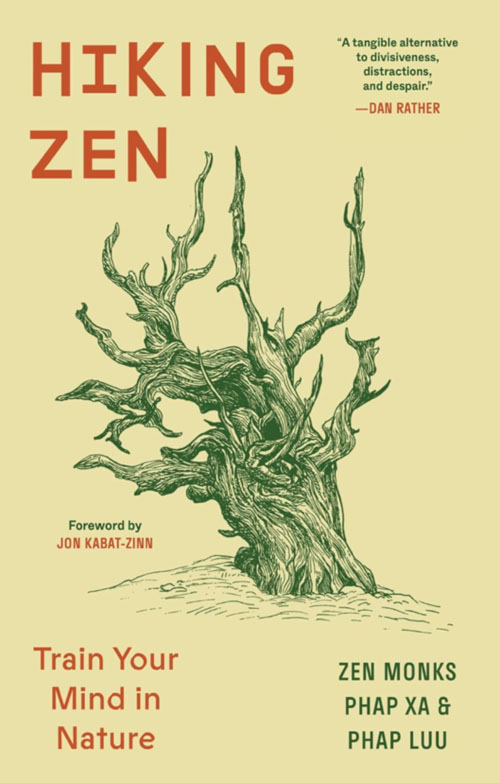 In Hiking Zen, Buddhist monks and veteran hikers Phap Luu and Phap Xa offer a calm, portable guide to walking as practice. Rooted in Zen tradition and shaped by real retreat leadership, the book reframes the trail as a place to cultivate steadiness, attention, and a felt sense of belonging in a world that often pulls us toward speed and disconnection. In Hiking Zen, Buddhist monks and veteran hikers Phap Luu and Phap Xa offer a calm, portable guide to walking as practice. Rooted in Zen tradition and shaped by real retreat leadership, the book reframes the trail as a place to cultivate steadiness, attention, and a felt sense of belonging in a world that often pulls us toward speed and disconnection.
The strength of Hiking Zen is its practical tenderness. Rather than treating mindfulness as an abstract ideal, the authors translate it into concrete, repeatable practices: breath, steps, pauses, and simple rituals that can be woven into both backcountry treks and ordinary daily movement. At its heart, the book argues that the path to inner quiet is inseparable from our relationship with the natural world. By guiding readers into a more attentive form of walking, Hiking Zen makes a case for resilience that is both personal and collective: connection as medicine, presence as a kind of protection, and the outdoors as a teacher that asks nothing but honesty. Click here to purchase | | | | | | RCC prides itself on its National Campus Network of more than 90 colleges and universities. We are working to engage faculty members, students, and administrators in our efforts for a more just and sustainable world. With our growing fellowship program, our presence on campuses across the country has never been greater. Contact RCC today to bring our staff to your campus for lectures, workshops, or meetings to help find the best ways to engage your faculty and students in the efforts against climate change, environmental justice, and the work of the Rachel Carson Council. Campus Visits with RCC President, Dr. Robert K. Musil 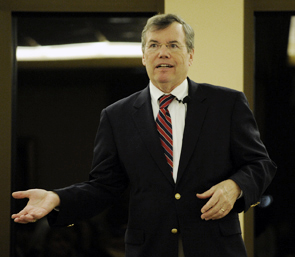 RCC President & CEO, Dr. Robert K. Musil, a national leader in climate change, environmental justice and health is available to book for in-person campus speaking events! Musil has been called “informative, challenging and inspirational all at once.” He is “motivational” with “intellectual depth” and “extraordinary impact.” RCC President & CEO, Dr. Robert K. Musil, a national leader in climate change, environmental justice and health is available to book for in-person campus speaking events! Musil has been called “informative, challenging and inspirational all at once.” He is “motivational” with “intellectual depth” and “extraordinary impact.”
Dr. Musil offers compelling campus lectures and visits involving classes, meetings with campus and community groups, consultations with faculty and administrators, or for Earth Day, Commencement, and other special events. Stays range from one to three days. Reduced fees are in place for 2026-2027 and can be designed to meet reduced budgets. To arrange a campus visit with Dr. Musil, contact the RCC President’s Office at [email protected] The RCC also offers talks, classes, and workshops on student engagement, activism, sustainability, and the RCC Fellowship program with: Director of Communications, Sydney O'Shaughnessy; Director of Campus and Civic Engagement, Diego Tovar; and Director of Policy and Strategic Development, Joy Reeves. To arrange, contact Director of Campus and Civic Engagement, Diego Tovar. | | | | | | The February issue of RCC's Campus Dispatch was produced by Ross Feldner | | | |  Sign Up Here to Receive the RCC E-News and Other RCC Newsletters, Information and Alerts. Sign Up Here to Receive the RCC E-News and Other RCC Newsletters, Information and Alerts. | | | | | | | | | | | |