| | | “If facts are the seeds that later produce knowledge and wisdom, then the emotions and the impressions of the senses are the fertile soil in which the seeds must grow.”
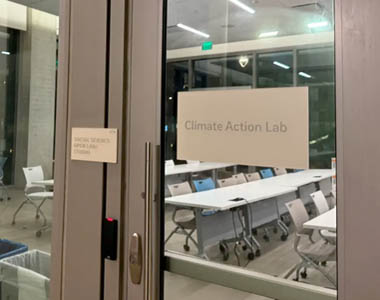
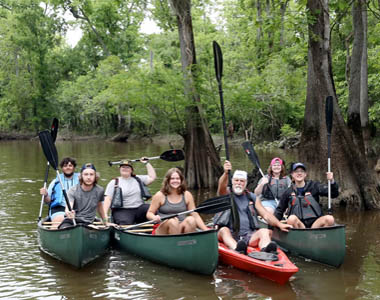
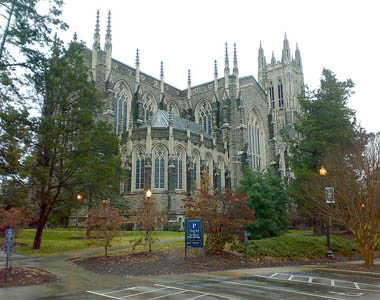
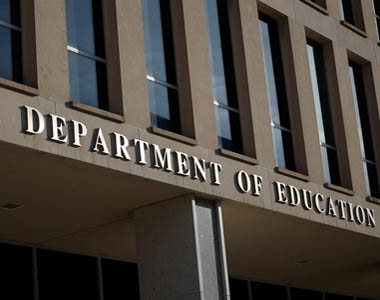
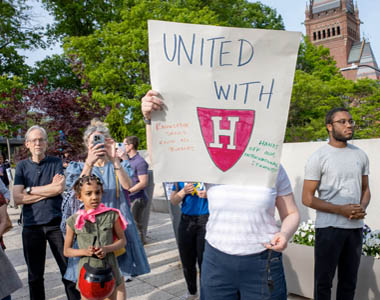
— Rachel Carson | | | | | | This November, as leaves thin and the air cools, we’re reminded how grateful we are for the students, faculty, staff, and local communities who persist in the face of an unsteady higher-education landscape. Their work grounds us. This month, colleges and universities face a convergence of pressures unlike any in recent memory. As the federal government accelerates its dismantling of the Department of Education, institutions must navigate shifting oversight, eroding civil rights protections, and an expanding political campaign to recast academic life in ideological terms. The effects ripple everywhere: from visa barriers that have driven international student enrollment into its steepest fall in over a decade, to lawsuits reshaping access to need-based aid, to renewed assaults on DEI-driven programs like Duke University’s Baldwin Scholars. Yet even under constraint, campuses continue to innovate and insist on their purpose. At the University of California, San Diego, climate literacy is becoming universal. Environmental education is transforming, as one journalist put it, “the new liberal arts.” Student newspapers across the country are fighting for their right to report despite censorship, administrative pressure, and government intimidation. And faculty like Amy Reid at New College of Florida remind us that academic freedom is a battle waged daily, often at profound personal cost. 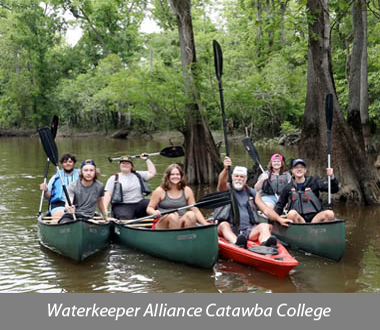 Across the Rachel Carson Campus Network, institutions are refusing to stand still. This month’s Spotlight on RCC Campuses highlights Catawba College’s Clean Water Advocacy Bootcamp, training the next generation of young activists in the tradition of Southern environmental justice, and Holy Cross’s new micro-grant program strengthening civic partnerships across Worcester. These projects prove that environmental education grows strongest in community. Across the Rachel Carson Campus Network, institutions are refusing to stand still. This month’s Spotlight on RCC Campuses highlights Catawba College’s Clean Water Advocacy Bootcamp, training the next generation of young activists in the tradition of Southern environmental justice, and Holy Cross’s new micro-grant program strengthening civic partnerships across Worcester. These projects prove that environmental education grows strongest in community.
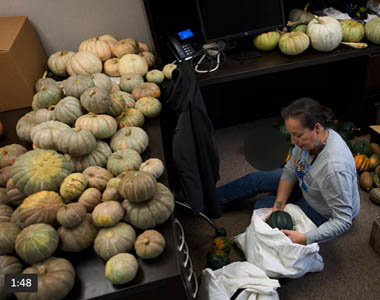
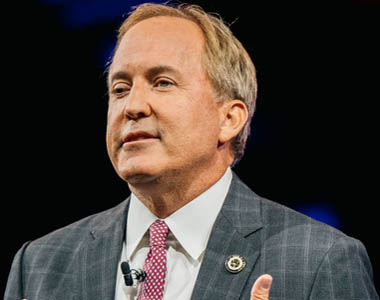
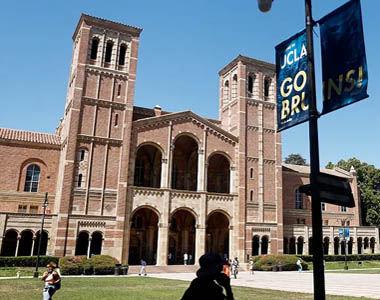
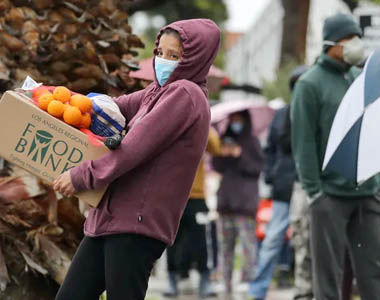
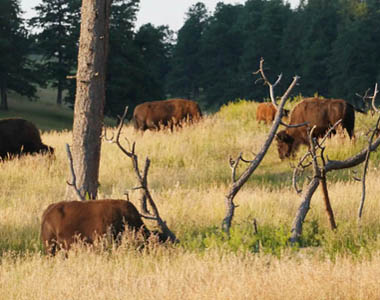
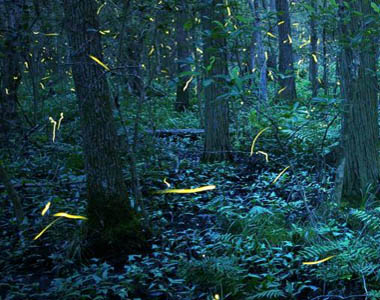
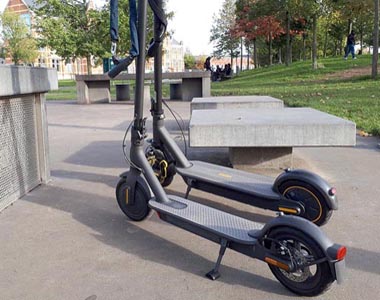
In Attacks on Higher Education, we follow rapidly unfolding federal changes: the shutdown’s impact on Tribal Colleges struggling to protect food sovereignty, the government’s attempt to freeze UC system funding, and Texas’s escalating legal battle over religious discrimination in work-study programs. Each story captures a landscape in which higher education is both a target and a test of national values. Campus Research this month offers a reminder that scientific inquiry is inseparable from public well-being. Hofstra University expands its “Pride Farm” with a hydroponic container facility, linking sustainability to local food access. Meanwhile, NIH budget cuts have halted hundreds of clinical trials, disrupting the lives of 74,000 participants, a stark illustration of the human stakes behind environmental political decisions. 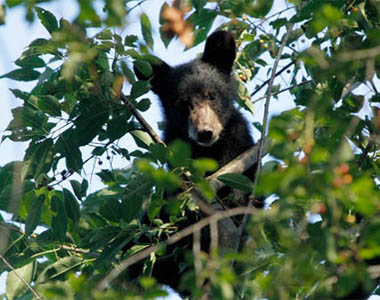 Our RCC Fellows Speak Out section is rich with wonder, grief, and clarity. From the quiet choreography of buffalo herds on Colorado grasslands to the first astonished sighting of fireflies in a New York field; from the complex ethics of e-transportation in American cities to the unbearable stench of contaminated tides in Imperial Beach—our Fellows remind us that environmental crises are lived not in abstractions, but in bodies, senses, and memories. Their pieces range from meditations on extinction, to reflections on AI-powered data centers, to encounters with a black bear above the maple canopy on Trinity College’s campus. Our RCC Fellows Speak Out section is rich with wonder, grief, and clarity. From the quiet choreography of buffalo herds on Colorado grasslands to the first astonished sighting of fireflies in a New York field; from the complex ethics of e-transportation in American cities to the unbearable stench of contaminated tides in Imperial Beach—our Fellows remind us that environmental crises are lived not in abstractions, but in bodies, senses, and memories. Their pieces range from meditations on extinction, to reflections on AI-powered data centers, to encounters with a black bear above the maple canopy on Trinity College’s campus. 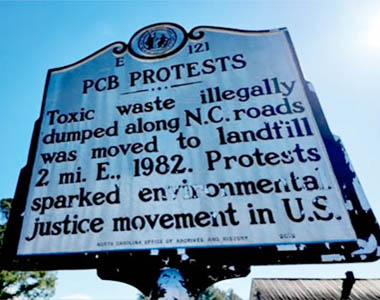 In Roots of Resilience section, we return to Warren County, North Carolina, where rural roads once became national battlegrounds for environmental justice. The lessons of 1982 still echo: grassroots leadership drives seismic change. In Roots of Resilience section, we return to Warren County, North Carolina, where rural roads once became national battlegrounds for environmental justice. The lessons of 1982 still echo: grassroots leadership drives seismic change.
Finally, in Books, we feature Aegolius Creek, Micah Thorp’s haunting novel of land, legacy, and environmental conflict in the Oregon woods. Equal parts family tragedy and ecological parable, it asks what it means to love a landscape and what we owe to the places that shape us.
Stay informed. Stay engaged. And join us in amplifying these powerful stories from campuses nationwide. | | | | | | 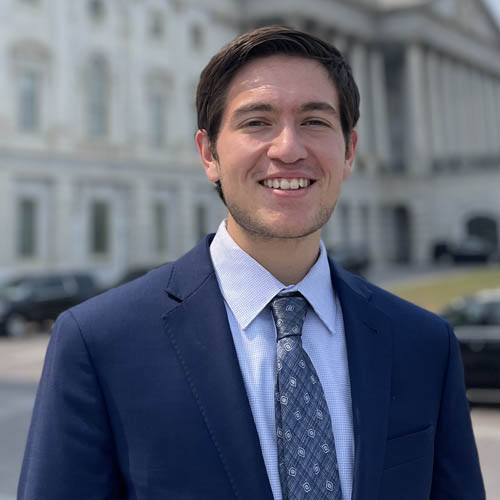 Diego Tovar — Director of Campus and Civic Engagement Diego Tovar — Director of Campus and Civic Engagement
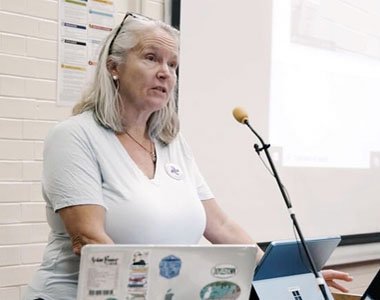
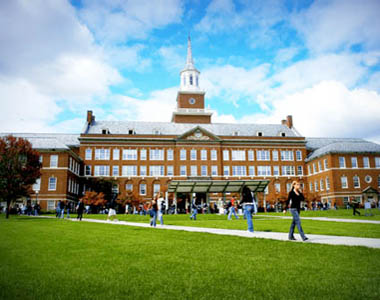
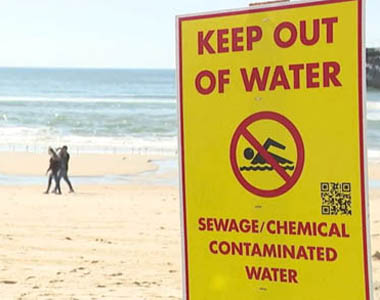
Diego Tovar, Director of Campus and Civic Engagement, holds his master’s in Global Environmental Policy from American University and an undergraduate degree as a Udall Scholar in Ecosystem Science and Sustainability with a minor in Political Communication from Colorado State University. Diego has worked for the White House Council on Environmental Quality, the Environmental Protection Agency, the U.S. House of Representatives, and the Navajo Nation Washington Office focusing on climate justice and climate adaptation. | | | | | | Climate Change ‘is the new liberal arts’: Colleges Build Environmental Lessons Into Degrees University of California, San Diego, requires all students to learn about climate change, while other schools have added environmental sustainability requirements. On a Thursday this fall, hundreds of students at the University of California, San Diego, were heading to classes that, at least on paper, seemed to have very little to do with their majors. | | | | | | | | One Battle After Another On university campuses, student papers are fighting their own administrations—and sometimes the government—for the right to report. Gregorio Olivares Gutierrez went to the University of Texas at Dallas to study political science and government, not journalism. But during his freshman year, in 2023, he joined the university’s student paper, The Mercury, after reading a story in it about a graduate student who’d tortured cats. | | | | | | | | A Former Professor Blasts New College of Florida’s Conservative Makeover Amy Reid was one of President Corcoran’s most vocal critics while she served as faculty representative on the Board of Trustees. Now she reflects on her fight to save the college she knows and loves. Amy Reid spent more than 30 years at New College of Florida, where she served as a professor of French and the founder and director of the gender studies program. Her relatively secure employment as a tenured professor emboldened her to become one of the most outspoken critics of the conservative effort to transform NCF into a “Hillsdale College of the South.” | | | | | | | | Cincinnati’s Climate Momentum Builds Rising above the Ohio River, the University of Cincinnati has long stood as a model of innovation with its bold architecture, community partnerships, and research-driven approach, earning it recognition as one of the nation’s most forward-thinking public universities. But beyond its design legacy and academic excellence, Cincinnati has also cultivated a deep and growing commitment to sustainability. From its climate action initiatives and LEED-certified buildings to campus-wide efforts to reduce waste and expand green infrastructure, the university has woven environmental stewardship into every layer of campus life. | | | | | | | | Catawba College's Clean Water Advocacy Bootcamp Helps Plant the Seeds for Young Environmental Activists Aging environmental activists wonder who’ll carry on the fight? Riverside classrooms and college boot camps are just some of the programs aimed at showing North Carolina students they can build a career in the environmental movement. Larry Baldwin stood before a crowd of about 60 people gathered in Northampton County for the screening of The Smell of Money, and he posed a question. | | | | | | | | Holy Cross Announces New Micro-Grant Program to Launch Faculty, Staff Projects in Worcester Holy Cross has launched its Worcester Pillar Micro-Grant Pilot Program, a new initiative designed to deepen the College’s engagement with the city of Worcester through small-scale, high-impact projects that advance collaboration, learning, and shared opportunity. The program supports projects such as a student-produced vodcast series, a community art exhibition created with Big Brothers Big Sisters and an urban gardening program. | | | | | | | | Duke Opens Female Scholar Program to Men After Trump Demands Duke University is opening up a female scholars program to men, a move that’s in line with President Donald Trump’s demands to end diversity, equity and inclusion practices. The Baldwin Scholars program, which was started in 2004 for female students, will now allow applications from all undergraduates, according to The Chronicle, the school’s student newspaper. | | | | | | | | Trump Administration Launches Plan to Dismantle Education Department The Trump administration is implementing its widely telegraphed plan to shutter the Education Department by transferring critical responsibilities to other federal agencies. Six department offices will be affected by plans to move operations to four separate agencies, according to a department official and two people familiar with the discussions who were granted anonymity to discuss the details. | | | | | | | | International Students Are Increasingly Avoiding US Universities, New Study Says The number of international students newly enrolling in American universities plummeted this fall, according to figures released Nov. 17, as foreign-born students navigate visa restrictions and other hurdles imposed by the Trump administration. The study, conducted by the Institute of International Education, said new international student enrollments declined by 17% this year, the largest drop in more than a decade, not including the pandemic. | | | | | | | | Tribal College Leaders Uneasy About US Financial Commitments Despite Funding Increase Tribal citizens are among communities navigating the impacts of massive cuts in federal spending and the effects of the longest government shutdown in U.S. history. On a recent chilly fall morning, Ruth De La Cruz walked through the Four Sisters Garden, looking for Hidatsa squash. To college students in her food sovereignty program, the crop might be an assignment. But to her, it is the literal fruit of her ancestors' labor. | | | | | | | | Texas v. Texas: State AG Sues Higher Ed Board Over Work-study Programs Texas Attorney General Ken Paxton called the law making seminary students ineligible for the need-based programs unconstitutional and “anti-Christian.” Paxton argued in the lawsuit that the state work-study programs — all of which are need-based — exclude otherwise eligible students “based solely on the religious character of their course of study,” violating the First Amendment. | | | | | | | | | | Feds Cannot Withhold Funding From UC System Amid Lawsuit, judge Rules The Trump administration has routinely used civil rights probes to force colleges “to change their ideological tune,” U.S. District Judge Rita Lin wrote. In her ruling, Lin described a “three-stage playbook” that the Trump administration uses to target universities. First, an agency involved with the administration’s Task Force to Combat Anti-Semitism announces civil rights investigations or planned enforcement actions. | | | | | |  | | | Hofstra University Announces Hydroponic Container Farm to Advance Sustainability, Interdisciplinary Research, and Community Food Access Hofstra University unveiled plans to install a Freight Farms Greenery™ S hydroponic container farm on its North Campus as part of the University’s ongoing “Pride Farm” sustainability initiatives. The announcement was made at a legislative breakfast held on campus, Monday, November 17, 2025. The container farm is supported by New York State Senator Siela A. Byno. | | | | | | | | NIH Budget Cuts Have Disrupted the Lives of 74,000 Research Participants and Terminated 100s of Clinical Trials The cuts “disproportionately” affected research on ”infectious diseases, prevention, and behavioral interventions,” according to a study published in JAMA Internal Medicine. The National Institute of Allergy and Infectious Diseases had the most funding canceled, and the National Institute of Mental Health and the National Institute on Minority Health and Health Disparities had the highest number of studies canceled. | | | | | | | | How Colleges Can Help Students Affected By SNAP Disruption As the longest federal government shutdown in U.S. history drags on, student advocates are urging colleges to step up and support those affected by a loss of food benefits. The Supplemental Nutrition Assistance Program, the government’s largest anti-hunger program, supports about 1 in 8 Americans in an average month. And its funding has never before lapsed during a government shutdown. | | | | | | | | Fool’s Liquid Gold The McArthur family were nothing out of the ordinary. Two parents, two kids, a dog. Rick was an electrician most of the time, high school football coach always. Amy was an elementary school teacher for Wake County. Their two kids, Katie and Rory, had just finished school for the year (Katie two weeks earlier because of her private high school, which she attended on a need-based scholarship). To celebrate the end of the school year, the family had saved for a week in Kitty Hawk, on the Outer Banks. Once Rick’s big project at NC State didn’t need him anymore, the family made a beeline for the coast. | | | | | | | | Field Notes on Buffalo and Brome It was a morning in early August, the sun shining over Golden, Colorado. After weeks of field work since June, the buffalo herd revealed themselves. A group of mothers and calves strolled peacefully over the grasses, grazing on sedges camouflaged among lying grasses. Buffalo are selective, going through plant life like a puzzle to find what best sustains them. Recent research shows that they select more useful and nutritionally better quality grasses, and this was what I also observed firsthand. | | | | | | | | Stopping to See the Fireflies The first time I saw fireflies, I thought I was imagining them. Walking home in New York with my roommate, she stopped and pointed toward the field. Tiny lights blinked on and off, scattered across the dark. I stood there, watching. For once, the city felt less like concrete and more like something alive. Back home in San Diego, I grew up surrounded by nature without realizing it: beaches, hills, and the California coast were always close by. It was so constant that I hardly noticed. | | | | | | | | The E-transport Explosion, an Environmentalist’s Dilemma American cities have become infiltrated by electronic modes of transport. E-bikes, e-scooters, and e-skateboards alike have become more accessible, with popular ride-share apps like Uber even offering options to hail. Growing up in Washington D.C., I have been able to witness just how abundant these electric mobility devices have become. In 2023, D.C. voted to raise the number of scooters allowed to 20,000, up from around 11,000 in 2022. | | | | | | | | When the Tide Smells Wrong The first time I tried to surf Imperial Beach with friends, the lifeguard walked over, pointed at the yellow sign, and said, “Closed,contamination.” The tide looked fine, yet the air didn’t. It carried a strong, sour, metallic smell that locals recognize before the wind even changes. We tossed our boards back in the car and drove north to Pacific Beach. The ocean shouldn’t require a detour. Imperial Beach is situated at the end of a watershed that originates in the mountains of Baja California and extends into the U.S. as the Tijuana River. | | | | | | | | Will Giant AI Data Centers Create a New Movement? The church glows. Morning light reflects off the waxed hardwood floor and white-washed walls. We sit in pews that fill Hopeful Anglican Church’s single-room interior. At the front of the sanctuary, the altar table holds a cross and candles. We can’t see these items, though, because a large TV screen at the end of the aisle blocks our view. “Say No: Do Not Ruin Our Community,” reads the sign displayed on the TV. People from NGOs, local communities, and universities find their seats in the pews. We learn each other’s names and where we’re from. | | | | | | | | Why Are Extinctions So Romantic? I recently discovered, via an Instagram infographic of all places, that we have reached the point of no return with coral reefs. Reefs are the first ecological system to cross a climate tipping point in real time officially. This was obviously very upsetting to me, but I was confused about why I had only just heard about this now. Surely, a year ago, we knew that we were at the tipping point. Why is it only treated as “news” once it’s past saving? It made me start thinking about extinctions as a whole, and the weird way we romanticize doom, especially once it’s too late. | | | | | | | | Welcome to the Neigh-bear-hood It was an unlikely sight along the busy city roads and bustling neighborhoods of Hartford, Connecticut. A large group of students, professors, and local residents were gathered underneath an enormous maple tree, curiously pointing and taking photos. As I approached, I looked up and gasped: a juvenile black bear, perched lazily along the thickest branch, peeked out from the leaves. She had made her way from the forest onto Trinity College’s campus in the heart of the capital city. More and more people joined the crowd, and we spent a good hour watching the bear and her little paws peering down at us. | | | | | | | | The Shape of Hope After collective farming collapsed in the 1970s, my family in Shengzhou received land under China’s Household Responsibility System, which required them to sell a fixed share of crops back to the government at set prices. These mandates, combined with degraded land, left little to eat and even less to sell for schooling. When harvests failed, my grandparents knocked on neighbors’ doors asking for cabbage, rice, and anything else that might keep the family fed. When that was not enough, my aunts and uncles left school to work. | | | | | | | | Roadside Revolutions In rural northeastern North Carolina, where pines edge red clay fields and country roads stitch together generations, Warren County has long been a homeplace shaped by resilience. A predominantly Black community with deep agricultural roots, Warren County nurtured churches, farms, and family land long before environmental injustice carved its name into national history. In 1982, those same quiet roads would become the stage for one of the most defining civil rights and environmental justice movements in the United States. | | | | | | | | Aegolius Creek
Micah Thorp (Atmosphere Press, 2025)  In Aegolius Creek, Micah Thorp delivers a haunting and deeply human portrait of family, land, and the moral fault lines of environmental conflict. Set in the rugged forests of Oregon, the novel examines what happens when ownership, ecology, and legacy collide, and when love for the land takes on opposing meanings within one family. In Aegolius Creek, Micah Thorp delivers a haunting and deeply human portrait of family, land, and the moral fault lines of environmental conflict. Set in the rugged forests of Oregon, the novel examines what happens when ownership, ecology, and legacy collide, and when love for the land takes on opposing meanings within one family.
Thorp’s prose balances the intimacy of family drama with the tension of an eco-political thriller. The courtroom scenes simmer with moral ambiguity, while the surrounding Oregon landscape hums with symbolic weight—at once beautiful, endangered, and combustible. As protests turn to riots and love turns to grief, Aegolius Creek refuses easy answers, asking instead what we owe to one another and to the earth that sustains us.
Equal parts family tragedy, environmental parable, and courtroom drama, Aegolius Creek captures the complexity of rural America in an era of climate reckoning. It’s a story of roots—those we plant, those we inherit, and those we choose to cut down. Purchase Here | | | | | | RCC prides itself on its National Campus Network of more than 90 colleges and universities. We are working to engage faculty members, students, and administrators in our efforts for a more just and sustainable world. With our growing fellowship program, our presence on campuses across the country has never been greater. Contact RCC today to bring our staff to your campus for lectures, workshops, or meetings to help find the best ways to engage your faculty and students in the efforts against climate change, environmental justice, and the work of the Rachel Carson Council. Campus Visits with RCC President, Dr. Robert K. Musil 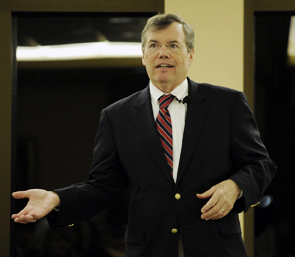 RCC President & CEO, Dr. Robert K. Musil, a national leader in climate change, environmental justice and health is available to book for in-person campus speaking events! Musil has been called “informative, challenging and inspirational all at once.” He is “motivational” with “intellectual depth” and “extraordinary impact.” RCC President & CEO, Dr. Robert K. Musil, a national leader in climate change, environmental justice and health is available to book for in-person campus speaking events! Musil has been called “informative, challenging and inspirational all at once.” He is “motivational” with “intellectual depth” and “extraordinary impact.”
Dr. Musil offers compelling campus lectures and visits involving classes, meetings with campus and community groups, consultations with faculty and administrators, or for Earth Day, Commencement, and other special events. Stays range from one to three days. Reduced fees are in place for 2026-2027 and can be designed to meet reduced budgets. To arrange a campus visit with Dr. Musil, contact the RCC President’s Office at [email protected] The RCC also offers talks, classes, and workshops on student engagement, activism, sustainability, and the RCC Fellowship program with: Director of Communications, Sydney O'Shaughnessy; Director of Campus and Civic Engagement, Diego Tovar; and Director of Policy and Strategic Development, Joy Reeves. To arrange, contact Director of Campus and Civic Engagement, Diego Tovar. | | | | | | The November issue of RCC's Campus Dispatch was produced by Ross Feldner | | | |  Sign Up Here to Receive the RCC E-News and Other RCC Newsletters, Information and Alerts. Sign Up Here to Receive the RCC E-News and Other RCC Newsletters, Information and Alerts. | | | | | | | | | | | |