| | | “It is not half so important to know as to feel.”
— Rachel Carson | | | | | | 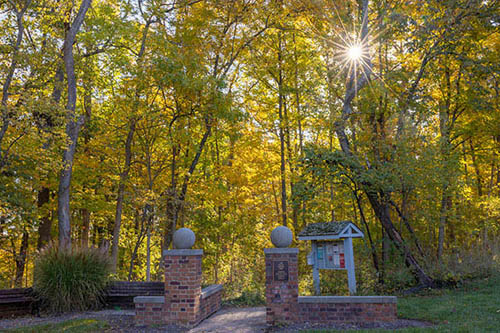 The first chills of autumn drift across campus—maples aflame, oaks bronzed, ginkgoes lit with gold. Beneath the beauty, a storm gathers. As midterms crest and quads fill, higher education again stands at the crossroads of politics and principle. The first chills of autumn drift across campus—maples aflame, oaks bronzed, ginkgoes lit with gold. Beneath the beauty, a storm gathers. As midterms crest and quads fill, higher education again stands at the crossroads of politics and principle.
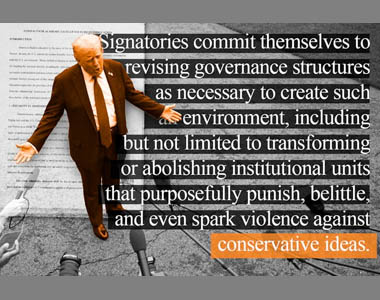
This October, universities across the nation face escalating federal pressure. The Trump administration’s so-called “Compact for Academic Excellence in Higher Education” demands sweeping ideological concessions in exchange for funding preference. This is a thinly veiled attack on autonomy and academic freedom. But campus resistance is mounting: multiple universities and colleges have rejected the proposal. Meanwhile, federal layoffs within the Department of Education and Justice Department “reforms” signal a deepening crisis of equity, civil rights, and democratic oversight in education. 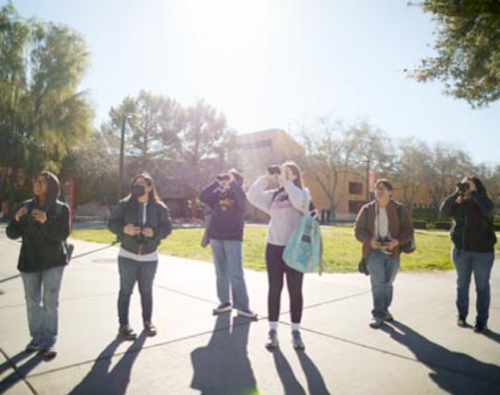 And yet, resilience persists. Across the Rachel Carson Council Campus Network, institutions are leading innovation forward. From Catawba College’s Passive House-certified residence hall, the first of its kind in North Carolina, to Miami University’s $100,000 Natural Areas Support Fund ensuring long-term ecological stewardship, campuses continue to prove that environmental progress and moral courage thrive side by side. And yet, resilience persists. Across the Rachel Carson Council Campus Network, institutions are leading innovation forward. From Catawba College’s Passive House-certified residence hall, the first of its kind in North Carolina, to Miami University’s $100,000 Natural Areas Support Fund ensuring long-term ecological stewardship, campuses continue to prove that environmental progress and moral courage thrive side by side.
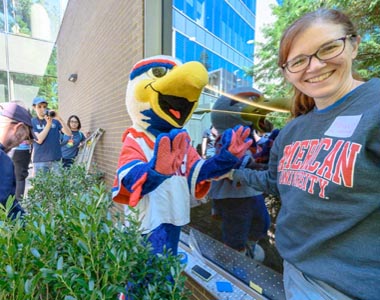
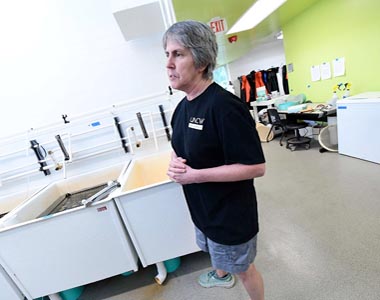
In Campus Research, American University students and faculty transform concern into action, making the Hall of Science a model for bird-safe architecture, while the University of North Carolina Wilmington’s shellfish researchers race to protect the future of the oyster industry—proof that even the smallest organisms can anchor a state’s environmental economy.
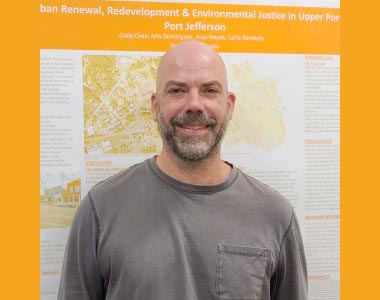
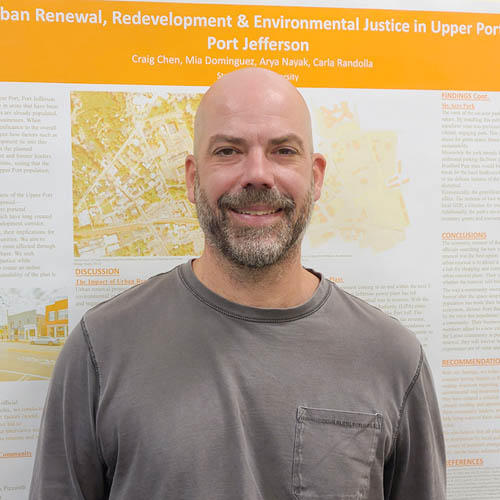 Our Faculty Spotlight shines on Adam Charboneau of Stony Brook University, appointed as an inaugural SUNY Sustainability Faculty Fellow, expanding climate education across sixty-four campuses statewide and demonstrating the power of educators to shape systemic change. Our Faculty Spotlight shines on Adam Charboneau of Stony Brook University, appointed as an inaugural SUNY Sustainability Faculty Fellow, expanding climate education across sixty-four campuses statewide and demonstrating the power of educators to shape systemic change.
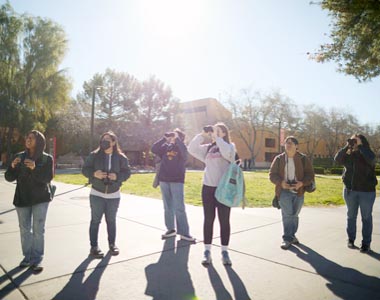
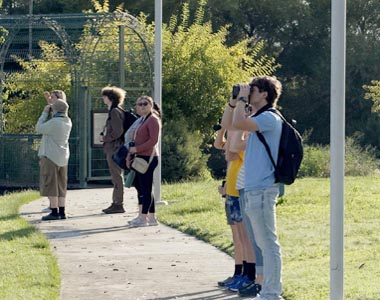
In RCC Fellows Speak Out, our writers confront the world’s beauty and its contradictions: from The Rise of On-Campus Clothing Swaps that redefine sustainable fashion, to Womb with a View (of 1.5°C), a searing meditation on reproductive justice and climate heat; from the lyrical Secrets the Mountains Keep to Beauty Is Pain: The Price Elephants Pay for Our Vanity. Their essays remind us that storytelling is endurance. Meanwhile, in Birds on Campus, communities from UNLV to California State University are finding quiet power in observation. Student-led bird walks and conservation clubs are turning curiosity into connection. Hope, like migration, follows its own path back each year. In Roots of Resistance, we visit the story of Turkey Creek, Mississippi, founded by emancipated families who raised a sanctuary from swampland. Their legacy of mutual aid and ecological stewardship show us what it means to build freedom from the ground up. 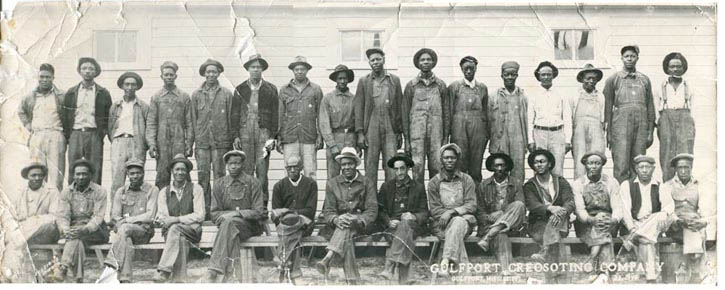 Finally, this month’s Books section turns to Charlotte McConaghy’s Wild Dark Shore—a haunting, luminous meditation on climate, kinship, and the fragility of life itself. Through every headline of hardship, October reminds us that young voices rise even as others attempt to quiet them. The work continues—in classrooms, in labs, in marches, and in the silent flight of birds across a darkening sky. Stay informed. Stay engaged. And join us in amplifying these powerful stories from campuses nationwide. | | | | | | 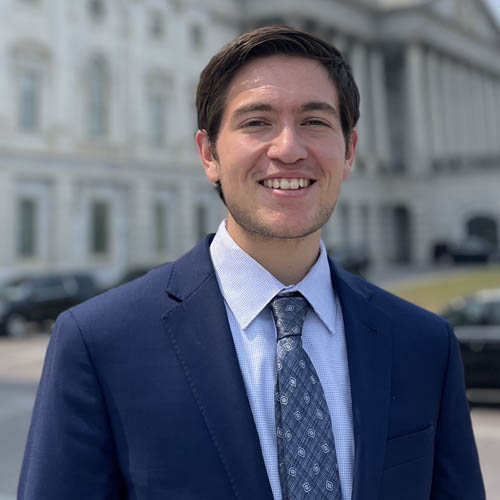 Diego Tovar — Director of Campus and Civic Engagement Diego Tovar — Director of Campus and Civic Engagement
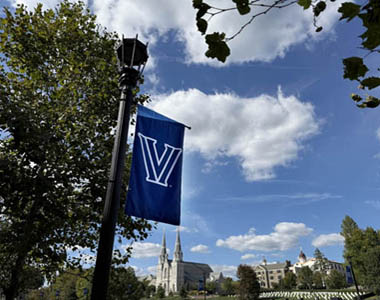
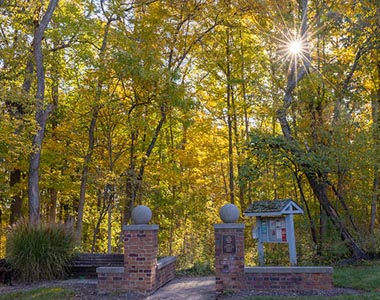
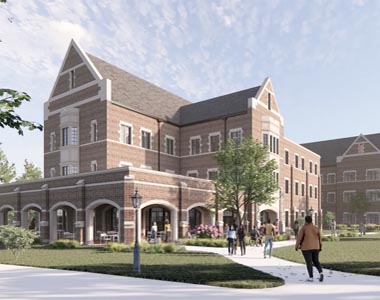
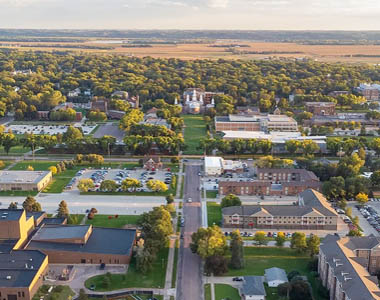
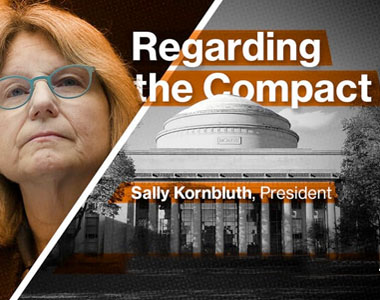
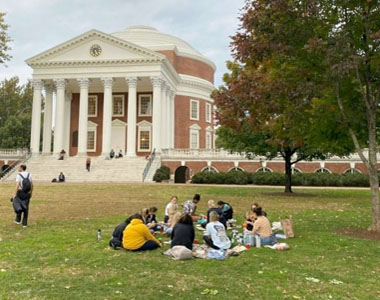
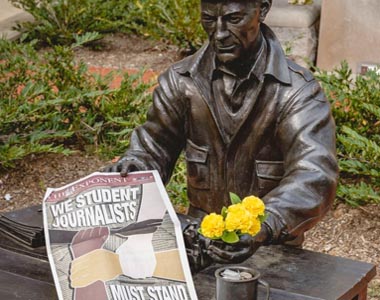
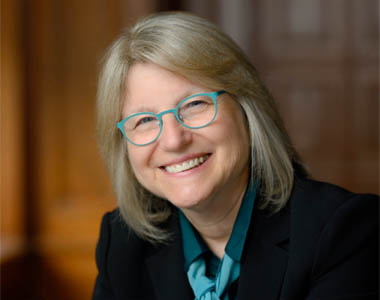
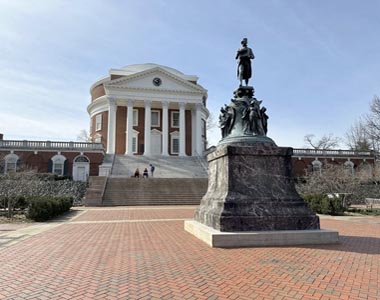
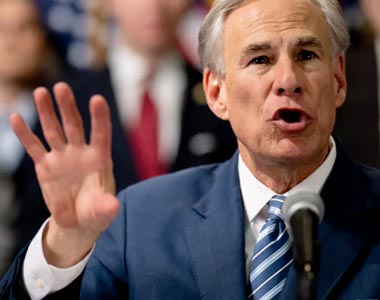
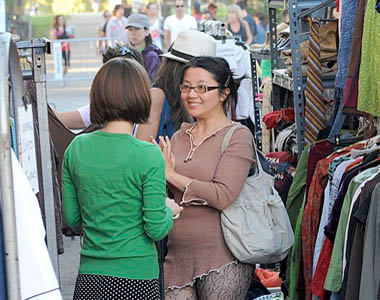
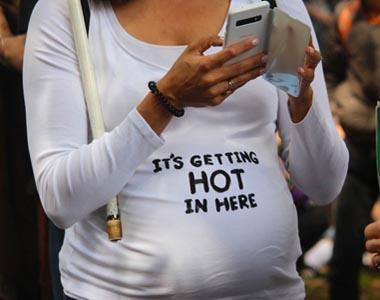
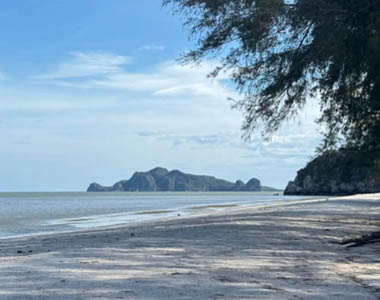
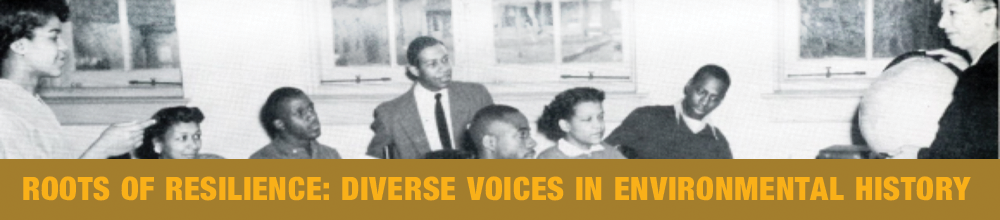
Diego Tovar, Director of Campus and Civic Engagement, holds his master’s in Global Environmental Policy from American University and an undergraduate degree as a Udall Scholar in Ecosystem Science and Sustainability with a minor in Political Communication from Colorado State University. Diego has worked for the White House Council on Environmental Quality, the Environmental Protection Agency, the U.S. House of Representatives, and the Navajo Nation Washington Office focusing on climate justice and climate adaptation. | | | | | | Under the Spires of Change: Villanova’s Rising Climate Vision Tucked just outside of Philadelphia, Villanova University’s stone arches and tree-lined pathways have long embodied its Augustinian mission of truth, unity, and love. Yet behind its timeless beauty lies a campus increasingly defined by forward-looking environmental leadership. Rooted in a deep moral commitment to service and sustainability, Villanova is cultivating a generation of students who see environmental justice not just as an academic pursuit but as an ethical calling. | | | | | | | | Anne E. Davenport Natural Areas Support Fund Established With $100,000 Endowment Thanks to a recent endowment gift of $100,000, the Anne E. Davenport Natural Areas Support Fund was established to support the Miami University Natural Areas. “Although I owe my successful career to the Miami University Accounting Department,” donor Anne Davenport ’78, MBA ’83 said, “it was the natural areas around Marcum Center, the gardens, the woods, the creek, and the pastures that soothed my soul during my 20 years spent at Miami as a student, an instructor, and in administration.” | | | | | | | | Catawba College’s Commitment to North Carolina’s First Passive House Residence Hall Catawba College’s new 130-bed residence hall is on track to be the first Passive House (Phius) certified residence hall in the state of North Carolina, reinforcing its reputation as one of the nation’s most sustainable campuses. Through advanced energy modeling, research-driven design, and strategic interdisciplinary collaboration, the building is projected to achieve a remarkable energy use intensity of 30 kilo British thermal units per sf (kBtu/sf) per year. | | | | | | | | University of South Dakota Must Reinstate Professor on Leave Over Kirk Comments, Judge Orders U.S. District Judge Karen Schreier said the instructor had a “fair chance of prevailing” in his lawsuit alleging the institution violated his free speech rights. Hook is just one of an increasing number of college employees who have been reprimanded or fired over their speech about Kirk following his killing on Sept. 10. And a growing number of the educators affected are taking their cases to court. Schreier’s ruling this week represented one of the first court actions in such a lawsuit. | | | | | | | | White House Floats Compact for Preferential Treatment The Trump administration has asked nine universities to sign on to a proposed compact, mandating certain changes in exchange for preferential treatment on federal funding. First reported by The Washington Post and confirmed, with additional details, by The Wall Street Journal, the proposal seeks an agreement with nine institutions that are being asked to commit to a 10-point memo referred to as the “Compact for Academic Excellence in Higher Education.” | | | | | | | | MIT Rejects Proposed Federal Compact MIT is the first institution to reject a proposal by the Trump administration that would trade preferential treatment on federal funding for far-reaching changes. The Massachusetts Institute of Technology has rejected the Trump administration’s proposal to sign on to the “Compact for Academic Excellence in Higher Education,” which would mandate sweeping changes across campus in exchange for preferential treatment on federal funding. | | | | | | | | UVA, Dartmouth Latest to Reject Trump’s Higher Ed Compact The University of Virginia is the first public, and Southern, institution to publicly turn down the administration’s “Compact for Academic Excellence in Higher Education.” The University of Virginia and Dartmouth College have become the latest higher ed institutions to publicly reject the Trump administration’s “Compact for Academic Excellence in Higher Education.” Now just three of the nine institutions that the federal government originally presented with the document have yet to announce whether they will sign. | | | | | | | | Here Are the Colleges Rejecting Trump’s Funding Compact Multiple colleges are rejecting a compact the Trump administration sent to nine universities at the beginning of October that guaranteed funding advantages if the institutions agreed to certain policy changes. The 10-point memo, titled the “Compact for Academic Excellence in Higher Education,” gave a variety of sweeping demands from changes in hiring to admissions, altering campus culture and shrinking foreign student enrollment. | | | | | | | | The Myth of the Campus Snowflake The students I encounter as a university president aren’t afraid of free speech—quite the contrary. A few weeks ago, I welcomed Princeton’s newly arrived undergraduates to campus with what has become an annual tradition: a presidential lecture on the importance of free speech and civil discussion. This semester, I will host small seminars with first-year and transfer students to impress upon them my view that free speech is essential to the research and teaching mission of American universities. | | | | | | | | After Indiana Daily Student Print Ends, Purdue Student Paper Delivers ‘solidarity’ Edition to Bloomington Purdue students made a free press edition of their newspaper, The Exponent, and distributed 3,000 copies across Indiana University’s Bloomington campus. The front page reads, “We Student Journalists Must Stand Together.” The move comes after the Indiana University Media School fired its director of student media and ended the final Indiana Daily Student print meduim — special themed editions, like the last one planned about homecoming. The IDS still publishes online. | | | | | | | | Regarding the Compact The U.S. Department of Education recently sent MIT and eight other institutions a proposed “Compact for Academic Excellence in Higher Education," along with a letter asking that MIT review the document. From the messages I've received, I know this is on the minds of many of you and that you care deeply about the Institute’s mission, its values and each other. I do too. After considerable thought and consultation with leaders from across MIT, today I sent the following reply to U.S. Education Secretary Linda McMahon. | | | | | | | | | | As Millions of Birds Pass Through DC, AU is Working to Keep Them Safe Thanks to student innovation and AU’s commitment to sustainability, the campus is becoming a model for bird-friendly design. This fall, American University students, faculty, and staff are turning the Hall of Science into a safe haven for migrating birds. What started as student-led concern over bird strikes—when birds mistake reflective windows for open sky and crash into them—has grown into a collaborative project that reflects AU’s values of sustainability, innovation, and civic responsibility. | | | | | | | | Pearl of the Coast: How UNCW Researchers Are Helping NC's Oyster and Shellfish Farmers At the Shellfish Research Hatchery, officials are hoping to 'breed' oysters that can help farmers deal with a series of recent mass-mortality events that have devastated some shellfish farms. Like a bingo ball tumbler, the metal, barrel-shaped sorter spun around, shaking up the oysters until they fell through the appropriate holes that fit their age size. The mollusks would then be opened and examined to gauge their health. | | | | | | | | Justice Department Finalizes Deal with University of Virginia to Pause Civil Rights Probes The investigations will be closed once the university completes planned reforms prohibiting diversity, equity and inclusion initiatives, the agency said. The Justice Department said Wednesday it has reached a deal with the University of Virginia to pause several civil rights investigations into the institution’s admissions policies and alleged discrimination. | | | | | | | | Education Department Layoffs Hit Offices That Oversee Special Education and Civil Rights Enforcement A new round of layoffs at the Education Department is depleting an agency that was hit hard in the Trump administration’s previous mass firings, threatening new disruption to the nation’s students and schools in areas from special education to civil rights enforcement to after-school programs. The Trump administration started laying off 466 Education Department staffers on Friday amid mass firings across the government. | | | | | | | | Trump Aims to Give Preferential Funding Treatment to Universities That Meet Demands The Trump administration is urging a group of nine universities to sign a 10-point compact that would have sweeping implications on campus in exchange for a funding advantage in federal grants. The 10-point memo, titled the “Compact for Academic Excellence in Higher Education,” aims to make broad changes to a school’s culture, hiring and admissions processes and foreign student enrollment. | | | | | | | | Harvard FAS Cuts Ph.D. Seats By More Than Half Across Next Two Admissions Cycles The Faculty of Arts and Sciences slashed the number of Ph.D. student admissions slots for the Science division by more than 75 percent and for the Arts & Humanities division by about 60 percent for the next two years. The scale of reductions in the Social Science division was not immediately clear, though several departments in the division experienced decreases over the coming two years ranging from 50 percent to 70 percent. | | | | | | | | Gov. Abbott: Texas is Targeting Professors Over ‘leftist ideologies’ New laws in the state have dramatically reshaped public higher education and coincided with a wave of high-profile faculty terminations. As of Sept. 1, Texas law began to reduce the influence of faculty over institutional decisions and academic oversight — including defanging faculty senates — and shift that power to political appointees, such as the newly created role of higher education ombudsman. | | | | | | | | Drop in Pell Funds Hurts Black Students, Southern Colleges A new report found that federal disinvestment in Pell Grants hit higher ed in Southern states hard. It also likely played a role in plummeting Black student enrollments. Federal funding for Pell Grants, and the number of awards given, plummeted between fiscal years 2011–12 and 2021–22. Black student enrollment in public colleges and universities plunged by nearly a half million students over that same period. | | | | | | | | Adam Charboneau Is Named SUNY Sustainability Faculty Fellow Adam Charboneau, lecturer of sustainability studies in the School of Marine and Atmospheric Sciences (SoMAS) at Stony Brook University, has been selected as an inaugural State University of New York (SUNY) Sustainability Faculty Fellow, a program designed to expand climate education across the 64 campuses within the SUNY system.The announcement was made by SUNY Chancellor John B. King Jr. during New York Climate Week. | | | | | | | | The Rise of On-Campus Clothing Swaps As I shoved the remainder of my loose leaf papers and multi-colored pens back in my work tote, the dread of my upcoming chemistry exam loomed over my head. It was a typical fall day at Duke University, students were bustling with mid-term nerves while juggling the excitement of trip-planning as fall break neared. Despite studying in Perkin’s Gothic Reading Room for the last 6 hours, I still felt unprepared and unamused, as I watched cheery freshman banter over an upcoming frat party. | | | | | | | | Womb with a View (of 1.5°C) Extreme heat is putting pregnancies at risk, increasing the chances of stillbirth, preterm birth, and lasting health complications. At the same time, rising temperatures are making decisions about whether and when to have children even more uncertain. I (Lydia Samuels) grew up in Jamaica, where heat is an old companion. We know its moods—how it clings in the mid-afternoon, how it softens in the evenings when the sea breeze drifts inland. But in recent years, that familiar warmth has sharpened into something else. | | | | | | | | Romanticism Numbs (Well, Maybe) Wind hitting my face at the Lemon Creek Pier in Staten Island, my eyes are full of wonder as the tide inches closer and closer to the shoreline barrier. I romanticize the angry waters, full of history and memories of those who came before me. Is this the same view that they saw? The sad reality is, it isn’t. Since the 1970s, sea levels have risen 6 inches in Staten Island. In fact, it is predicted that where I am standing will very much be underwater by 2100. | | | | | | | | The Secrets the Mountains Keep My eyes glossed over as I stared at what was to come. The quiet twists and turns of the uphill trail laid before me. To my right, the metamorphic mountainside, thick and unfathomably vast. Centuries of memories stored within its layers, secrets pressed so deep they will never be spoken aloud. To my left, a downhill slope carpeted with leaves and mosses, protecting the hidden ecosystems beneath. I was engulfed by the Great Smoky Mountains, a library of shale and lichens dating back long before me. | | | | | | | | The Good, The Not-so Good, and The Evolutionary Eccentric I think I like summer. It’s something I begin to reconsider every year around late June, right before the heat and humidity begin to crank up here in the Philadelphia area. When the sultry weather does hit in July, I console myself all month with thoughts of fresh summer peaches and the ripe tomatoes that come in August. And for the past ten years, August has always meant preparing for the new academic year. It is particularly bittersweet this year as I start my final year of graduate school, but it is, without question, my favorite time of year. | | | | | | | | Beauty is Pain: The Price that Elephants Pay for our Vanity At a Salvation Army in rural New Hampshire, one doesn’t really expect to find much while digging through the crowded shelves. As I pass over $0.50 plates and a blender with something slightly questionable stuck to its blade, a small dish catches my eye. The cream-colored saucer with embossed elephants circling the rim, priced at $1.50, looks all too familiar. As I take a closer look, my heart sinks as I recognize the dish is made of ivory. Flipping the dish over, the yellowed and peeling sticker reads “Made in Kenya,” confirming my theory. | | | | | | | | By the Coast and Under the Tamarind Trees Nestled in the national park of Prachuap in Southern Thailand, I walked the shores of a beach in Khao Sam Roi Yot National Park. Being some of the only tourists on this stretch of coastline seemed like quite the luxury, given the country’s reputation for crowded beaches. I thought back to my visit to Phuket in 2023, where beaches overflowed with tourists and belongings. The sand was littered with plastic, and a majority of the wildlife advertised were elephant “sanctuaries” of questionable authenticity. | | | | | | | | Reflections on the Moon Today was my family’s second full day in Switzerland. We took the transit up to Jungfrau, one of the main summits of the Bernese Alps, and hiked down from the Eigergletscher glacier to a lower region named Alpiglen. The views were incredible. I think back to a phrase that my friend Rajas taught me, which he borrowed from a different stranger: “the grandeur of space.” Enclosed within the heart of the Alps, I felt like I had returned to a home that I had never lived in before. But in a sense, it was. | | | | | | | | Free As a Bird Chill vibes and a focus on observing and preserving nature have students flocking to UNLV's Birding and Conservation Club. For the 20-plus members of UNLV’s Birding and Conservation Club, the popular saying “birds of a feather” is more than an idiom, it’s a way for students, faculty, staff, or even community members to “unplug,” connect with nature, and practice conservation alongside those who share a similar enthusiasm for observing birds. | | | | | | | | Bird Walks Bring Students and Community Together on Campus The first Bird Walk of the 2025-26 school year kicked off on Sept. 25 for the third year in a row. Bird Walks happen once a month on a Thursday, guided by our campus’ own bird experts, going around campus to see different species of birds. Dr. Laurissa Hamilton, host of the Bird Walks and professor in the Biology department, was excited to start another year. She shared that the event is more than simply going out and looking for birds. | | | | | | | | The Community That Raised a Sanctuary from Swampland Born from emancipation along a winding river, the Turkey Creek community began in 1866 as a refuge for freedom. Newly emancipated families—among them Thomas and Melinda Benton—pooled scarce resources to purchase roughly 320 acres north of what would later become Gulfport, Mississippi. On land others dismissed as unusable swampland, they built a self-sufficient settlement of farms, homes, a church, and a school—rooted in mutual aid, hard work, and the stewardship of a living watershed. | | | | | | | | Wild Dark Shore
Charlotte McConaghy (Flat Iron Books, 2025) 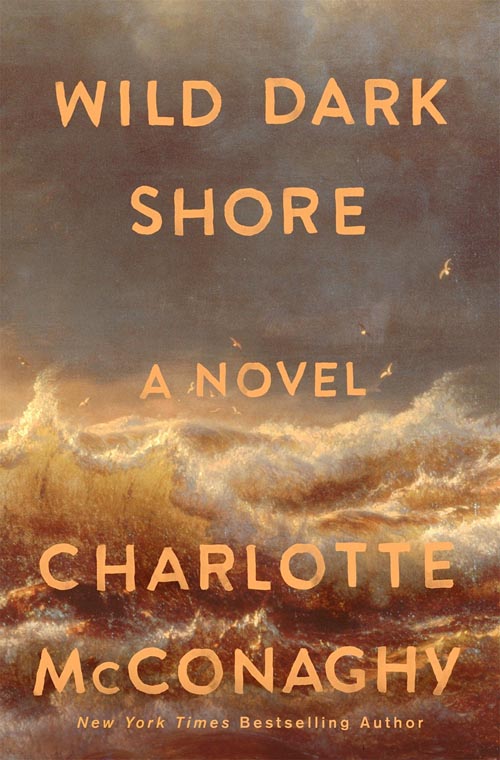 In Wild Dark Shore, Charlotte McConaghy writes a haunting, atmospheric tale that blends mystery, family drama, and the quiet terror of ecological collapse. Set on a remote research island between Australia and Antarctica, the novel opens when a young woman is found washed ashore. The island’s only inhabitants—a grieving widower, Dominic Salt, and his three children—take her in, unaware of the secrets she carries. In Wild Dark Shore, Charlotte McConaghy writes a haunting, atmospheric tale that blends mystery, family drama, and the quiet terror of ecological collapse. Set on a remote research island between Australia and Antarctica, the novel opens when a young woman is found washed ashore. The island’s only inhabitants—a grieving widower, Dominic Salt, and his three children—take her in, unaware of the secrets she carries.
At its heart, Wild Dark Shore is as much about the planet as it is about people. The island, home to a UN-operated seed bank safeguarding global biodiversity, becomes a microcosm of humanity’s fragility and folly. McConaghy anchors her mystery in environmental science, avoiding alarmism while confronting the moral costs of climate disruption. The result is fiction that feels both urgent and timeless. Purchase here: Wild Dark Shore a book by Charlotte McConaghy - Bookshop.org US | | | | | | RCC prides itself on its National Campus Network of more than 87 colleges and universities. We are working to engage faculty members, students, and administrators in our efforts for a more just and sustainable world. With our growing fellowship program, our presence on campuses across the country has never been greater. Contact RCC today to bring our staff to your campus for lectures, workshops, or meetings to help find the best ways to engage your faculty and students in the efforts against climate change, environmental justice, and the work of the Rachel Carson Council. Campus Visits with RCC President, Dr. Robert K. Musil 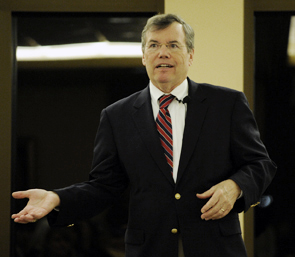 RCC President & CEO, Dr. Robert K. Musil, a national leader in climate change, environmental justice and health is available to book for in-person campus speaking events! Musil has been called “informative, challenging and inspirational all at once.” He is “motivational” with “intellectual depth” and “extraordinary impact.” RCC President & CEO, Dr. Robert K. Musil, a national leader in climate change, environmental justice and health is available to book for in-person campus speaking events! Musil has been called “informative, challenging and inspirational all at once.” He is “motivational” with “intellectual depth” and “extraordinary impact.”
Dr. Musil offers compelling campus lectures and visits involving classes, meetings with campus and community groups, consultations with faculty and administrators, or for Earth Day, Commencement, and other special events. Stays range from one to three days. Reduced fees are in place for 2025-2026 and can be designed to meet reduced budgets. To arrange a campus visit with Dr. Musil, contact the RCC President’s Office at [email protected] The RCC also offers talks, classes, and workshops on student engagement, activism, sustainability, and the RCC Fellowship program with: Director of Communications, Sydney O'Shaughnessy; Director of Campus and Civic Engagement, Diego Tovar; and Director of Policy and Strategic Development, Joy Reeves. To arrange, contact Director of Campus and Civic Engagement, Diego Tovar. | | | | | | The September issue of RCC's Campus Dispatch was produced by Ross Feldner | | | |  Sign Up Here to Receive the RCC E-News and Other RCC Newsletters, Information and Alerts. Sign Up Here to Receive the RCC E-News and Other RCC Newsletters, Information and Alerts. | | | | | | RACHEL CARSON COUNCIL
8600 Irvington Avenue
Bethesda, MD 20817
(571) 262-9148
[email protected]
@rachelcarsoncouncil.org | | | | | | | | | | | |