| | | “The more clearly we can focus our attention on the wonders and realities of the universe about us, the less taste we shall have for destruction.”
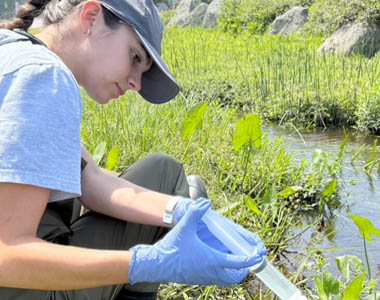
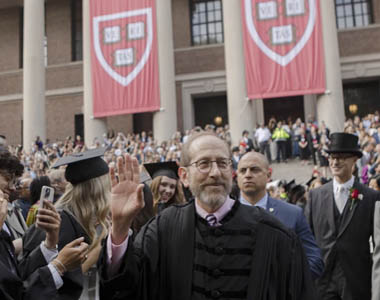
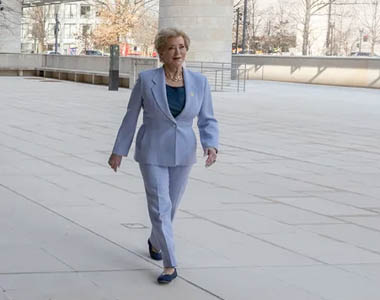
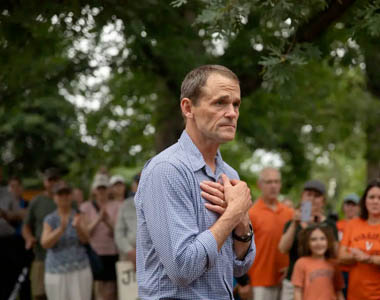
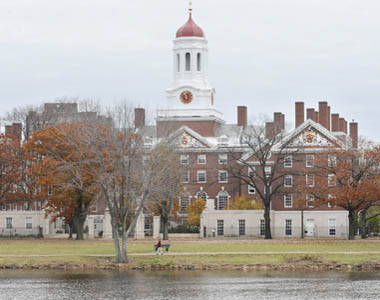
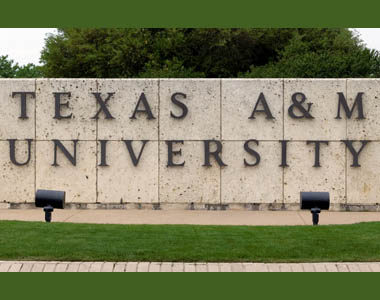
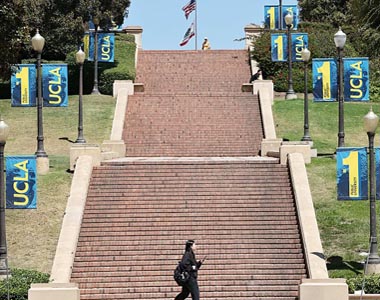
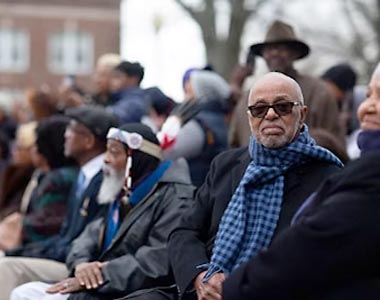
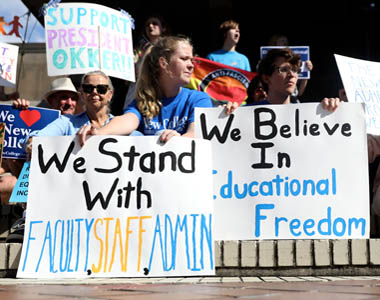
— Rachel Carson | | | | | | The crisp edge of early autumn settles over campuses as students stream back into classrooms and quads alive with possibility. The new academic year brings energy: new faces, new questions, and the perennial hope that education can illuminate a path through our most urgent challenges. Yet as the leaves turn, so too does the political climate, reminding us that the work of justice, truth, and environmental protection must remain steadfast. This September, our celebrations and renewals are shadowed by a deepening assault on higher education. From the Education Department’s abrupt cancellation of $350 million in grants for Minority-Serving Institutions to the federal judge’s refusal to restore $1 billion in NSF grants, the Trump administration continues to weaponize funding cuts and political pressure to silence equity and inclusion. Academic freedom itself is under siege: Harvard fought—and temporarily won—back $2.6 billion in research funding; Texas A&M fired a professor after a legislator’s viral video; the University of California is now suing the federal government over what it calls “financial coercion.” These acts of retaliation threaten the very purpose of universities as places of discovery and dissent. And yet, even amid these headwinds, campuses across the Rachel Carson Council Network and beyond are proving that creativity and resilience will not be silenced. This month’s Spotlight on RCC Campuses highlights bold innovations: Catawba College launches CatawbaGO, a free electric rideshare that links campus and community; American University’s Professor Leah Ding secures an $867,000 grant to pioneer AI-driven wildfire prediction; Vanderbilt officially opens its Center for Sustainability, Energy and Climate, accelerating solutions to our planet’s greatest challenges; and Yale Printing & Publishing Services reimagines their industry’s future with recycled fabric poster printing. In Campus Research, North Carolina State’s Professor Chris Osburn and graduate student Sara Cornejo-Zepeda develop a new tool to monitor stormwater dilution in wastewater treatment, proving that even the unseen systems beneath our feet are critical to public health and climate resilience. 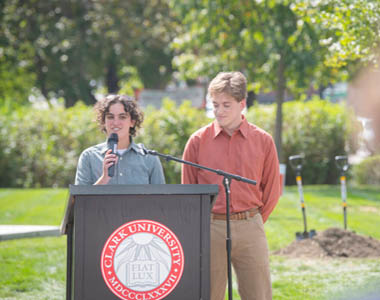 Across Campus Initiatives and Launches, Indiana University unveils its new Environment, Society, and Sustainability Institute. This cross-campus hub trains the next generation of environmental leaders. At Clark University, a tree-planting ceremony marks the revival of the Sustainability and Climate Committee, and at West Virginia University, the Sustainable Energy Student Ambassadors program empowers a new wave of interdisciplinary student leaders. Across Campus Initiatives and Launches, Indiana University unveils its new Environment, Society, and Sustainability Institute. This cross-campus hub trains the next generation of environmental leaders. At Clark University, a tree-planting ceremony marks the revival of the Sustainability and Climate Committee, and at West Virginia University, the Sustainable Energy Student Ambassadors program empowers a new wave of interdisciplinary student leaders.
This month’s RCC Faculty Spotlight shines on K.C. Busch, appointed to the National Academies’ Education for Thriving in a Changing Climate Committee, bringing her expertise in science and environmental education to a national stage. 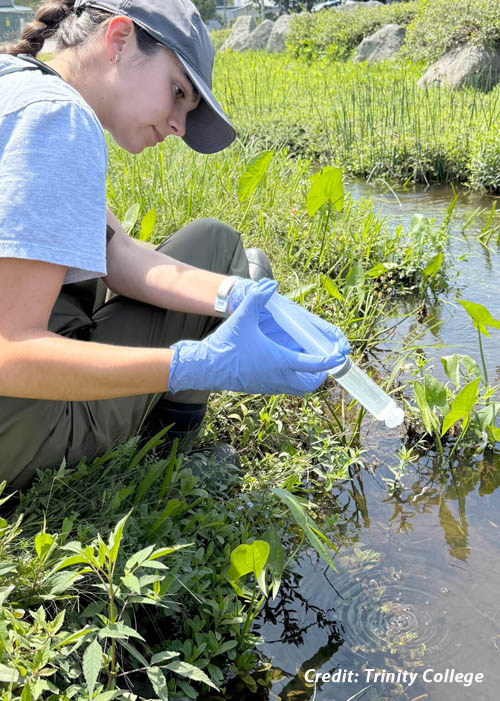 September 8th – 14th also marked the National Hispanic-Serving Institutions (HSI) Week, a time that should be celebratory but instead arrives amid a dangerous lawsuit challenging the federal HSI designation. As funding is threatened and lawsuits proliferate, dismantling HSIs is nothing less than an attack on America’s future workforce and the educational pathways for millions of Hispanic students. September 8th – 14th also marked the National Hispanic-Serving Institutions (HSI) Week, a time that should be celebratory but instead arrives amid a dangerous lawsuit challenging the federal HSI designation. As funding is threatened and lawsuits proliferate, dismantling HSIs is nothing less than an attack on America’s future workforce and the educational pathways for millions of Hispanic students.
Our RCC Fellows Speak Out section gathers powerful, personal narratives: from confronting the rise of anti-intellectualism in “The Attack on Higher Education,” to finding unexpected wonder in “A Very Huggable Wasp,” to meditations on ecological loss in “Requiem for the American Chestnut” and “Preserving the Quiet Beauty of the Salt Marsh.” Other reflections—from the personal reckoning in “Why Can’t We Ban Mancozeb?” to the quiet transformation of “Choosing to Look Up,” and the ocean-bound longing in “Waves We Cannot Touch”—remind us that storytelling can cut through despair and invite us into action. 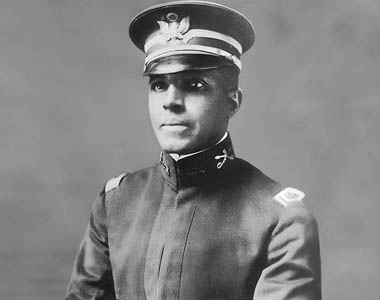 In Roots of Resistance, we honor Charles Young, born enslaved yet rising to become a U.S. Army Major General, whose life carved literal and metaphorical roads through mountains of prejudice. His story is a symbol of courage and perseverance at a time when both are urgently needed. In Roots of Resistance, we honor Charles Young, born enslaved yet rising to become a U.S. Army Major General, whose life carved literal and metaphorical roads through mountains of prejudice. His story is a symbol of courage and perseverance at a time when both are urgently needed.
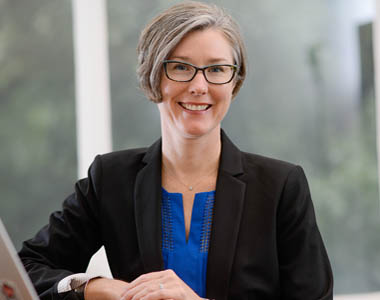
Finally, our Books section turns to The Joyful Environmentalist (Revised and Updated) by Isabel Losada, a witty, adventurous guide to finding delight in climate action. As this new academic year unfolds, we are called to defend the ideals that make campuses crucial for innovation and justice. The attacks are real, but so is the movement for truth and sustainability. In classrooms, gardens, labs, and community forums, the next generation continues to build a more just and sustainable world. Stay informed. Stay engaged. And join us in amplifying these powerful stories from campuses nationwide. | | | | | | 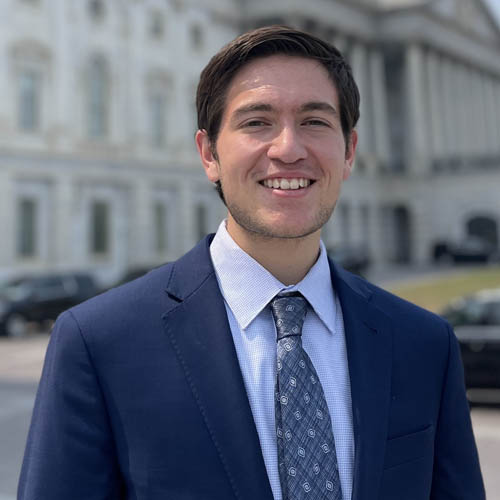 Diego Tovar — Director of Campus and Civic Engagement Diego Tovar — Director of Campus and Civic Engagement
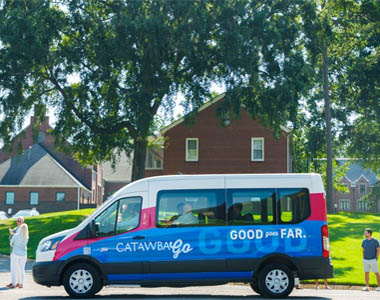
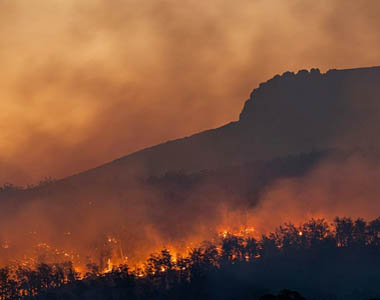
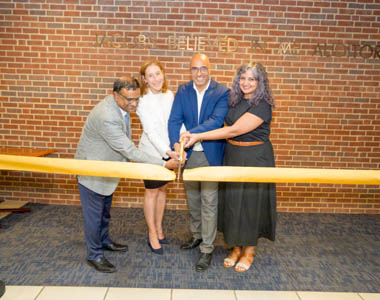
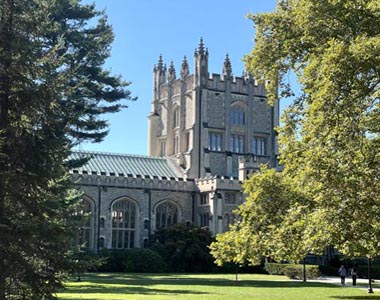
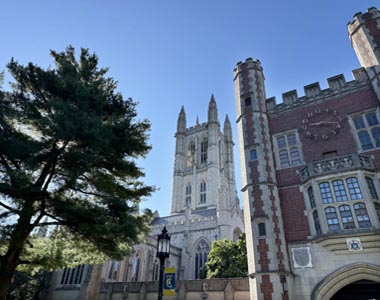
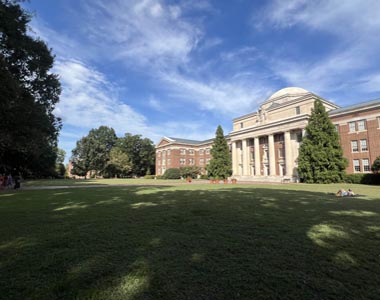
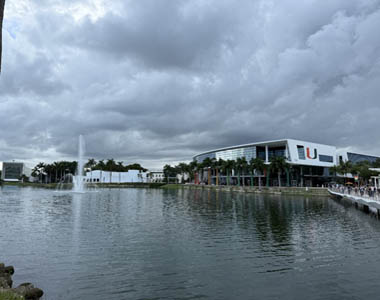
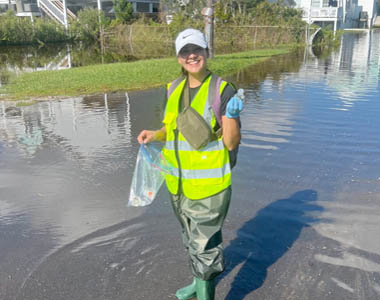
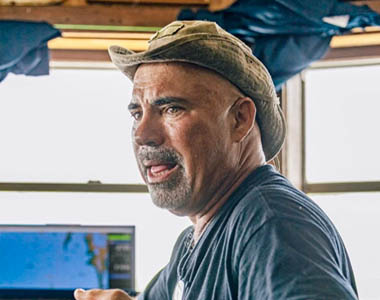
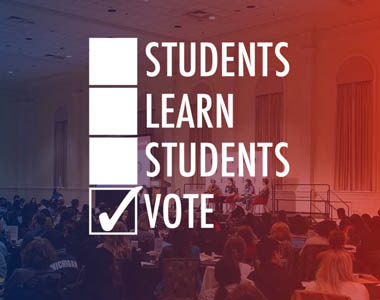
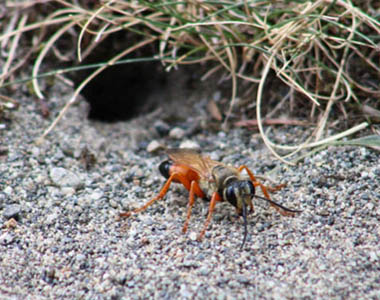
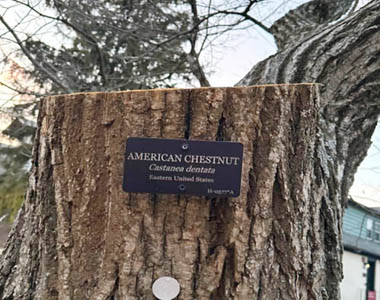
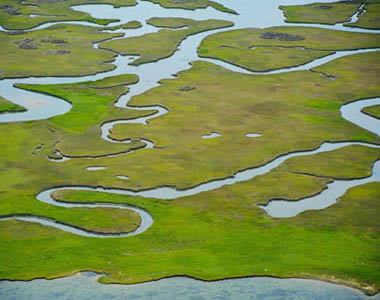
Diego Tovar, Director of Campus and Civic Engagement, holds his master’s in Global Environmental Policy from American University and an undergraduate degree as a Udall Scholar in Ecosystem Science and Sustainability with a minor in Political Communication from Colorado State University. Diego has worked for the White House Council on Environmental Quality, the Environmental Protection Agency, the U.S. House of Representatives, and the Navajo Nation Washington Office focusing on climate justice and climate adaptation. | | | | | | Catawba College Launches CatawbaGO: A Sustainable Ride Solution Connecting Campus and Community Catawba College is taking a bold step forward in sustainable campus mobility with the launch of CatawbaGO, a free electric rideshare service available exclusively to Catawba ID holders beginning at the start of the Fall 2025 semester. CatawbaGO will provide students, faculty, and staff with a convenient, real-time transportation solution — connecting campus not only internally but also to Salisbury’s local businesses, parks, and cultural hubs. | | | | | | | | AU Receives $867K NSF Grant to Advance Wildfire Prediction with AI Computer Science Professor Leah Ding awarded grant to develop innovative AI and machine learning algorithms to detect and forecast wildfires. Wildfires are growing faster, fiercer, and harder to predict—but artificial intelligence may soon tip the balance. Backed by a $867,245 grant from the National Science Foundation (NSF), American University Professor Leah Ding is building an AI system that can detect, forecast, and assess the risk of wildfire activity in real time and with unprecedented precision. | | | | | | | | Center for Sustainability, Energy and Climate Enters Next Phase With Official Launch Building on last year’s announcement of its creation through Discovery Vanderbilt, the university has officially launched the Vanderbilt Center for Sustainability, Energy and Climate to advance research and partnerships. “This is a landmark moment for Vanderbilt University as we officially launch a center dedicated to advancing bold solutions to some of the most urgent challenges of our time,” Provost and Vice Chancellor for Academic Affairs C. Cybele Raver said at the center’s ribbon-cutting ceremony. | | | | | | | | With New Recycled Fabric, Poster Printing Goes Green at Yale Historically, the printing and publishing industry has taken a high toll on the environment—consuming vast amounts of water and energy, accelerating deforestation, and emitting hazardous air pollutants. Yale Printing & Publishing Services (YPPS) knows this reality better than most—which is why the print shop has spent years working to reduce its environmental footprint. | | | | | | | | Vassar College and the Environmental Movement If you had to choose a spot where the American environmental movement had its origins, it would be, surprisingly, just north of New York City and along the Hudson River, including upstate New York. That’s what Rachel Carson Council President and CEO, Dr. Robert K. Musil, told his audience at Vassar College at the start of his fall tour of campuses. Musil was invited to Vassar and hosted by the chair of the Environmental Studies Program, Dr. Alison Spodek Keimowitz. | | | | | | | | Trinity’s Long Walk to a Greener Tomorrow Since the early nineteenth century, Trinity College has helped shape the heart of Hartford, its tree-lined campus woven into the rhythm of Connecticut’s capital city. Along the storied Long Walk, brownstone buildings stand as enduring landmarks that have inspired generations of students. Beneath this historic charm, Trinity is forging a bold new vision for climate justice and civic engagement. One that marries the liberal arts tradition with a forward-looking commitment to environmental action. | | | | | | | | Davidson and the Legacy of Rachel Carson Davidson College, founded in 1837, is among the most selective and historic liberal arts colleges in the nation, but one that emphasizes not just excellence, but purpose and commitment to the greater good and to the dignity and equality of all people. That commitment includes a deep concern for the environment that is reflected in the college’s strong and interdisciplinary Department of Environmental Studies, an ambitious Climate Action Plan, and student and faculty engagement in environmental justice and health projects. | | | | | | | | From Coast to Campus at the University of Miami Since its founding in 1925, the University of Miami has been a hub for innovation and discovery, where subtropical landscapes and coastal life shape both scholarship and daily experience. Beneath the lush palms and coral-stone walkways, the university is forging a bold, forward-looking vision for environmental leadership—one that blends research, policy, and community partnerships to confront the climate crisis and build resilience across South Florida and beyond. | | | | | | | | New Tool Helps Wastewater Treatment Plants Across North Carolina When is the last time you thought about your sewer system? While often overlooked, sewer systems play a crucial role in transporting and treating wastewater and are an integral part of our infrastructure when it comes to public health. A recent project, led by professor Chris Osburn of NC State’s Marine, Earth, and Atmospheric Sciences Department (MEAS) and funded by WRRI, aims to improve the efficacy of wastewater treatment plants by monitoring stormwater dilution. Sara Cornejo-Zepeda, a masters student in MEAS, works with Osburn on this project. | | | | | | | | | | | | ‘All action is local’: Clark to reestablish Sustainability and Climate Committee On Monday, at a tree-planting ceremony held to celebrate the launch of the School of Climate, Environment, and Society, President David Fithian announced the reestablishment of the Sustainability and Climate Committee. The committee will be composed of faculty, students, and staff, who will help guide the University’s efforts to shape a strategic vision and action plan that will serve as a roadmap for achieving sustainability goals through its operations, academics, and community engagement. | | | | | | | | | | WVU Launches Sustainable Energy Student Ambassadors SESA is a new student organization aimed at empowering students with the knowledge, skills and resources needed to lead the future of sustainable energy research, advocacy and innovation. Student officers from five different colleges will come together to foster interdisciplinary collaboration and advance sustainable and diversified energy leadership and workforce development at WVU. | | | | | | | | Associate Professor K.C. Busch Appointed to Education for Thriving in a Changing Climate Committee K.C. Busch, an associate professor of science education in NC State’s College of Education, has been appointed to serve on the National Academies of Sciences, Engineering, and Medicine’s Education for Thriving in a Changing Climate Committee. This committee will draw on activities in science education, environmental education, sustainability, civic engagement and communication. | | | | | | | | Trinity Student Receives National Recognition for Urban Pond Research Avery Sands ’26, a Trinity College environmental science major with a minor in legal studies, has been awarded a National Environmental Leadership Fellowship by the Rachel Carson Council (RCC), one of the nation’s oldest environmental advocacy organizations. This national recognition supports her research and community outreach efforts focused on environmental health and justice in urban communities. Sands is one of 35 students selected for this fellowship nationally. | | | | | | | | | | | | Education Department Cancels $350M in Grants For Minority-serving Institutions U.S. Education Secretary Linda McMahon on Wednesday decried the specialized funding as promoting “government-mandated racial quotas.” The cut grants have supported myriad initiatives at MSIs, such as purchasing laboratory equipment, improving buildings and classrooms, supporting student services like tutoring, and establishing endowment funds. | | | | | | | | Federal Judge Declines to Restore $1B in Grants Cut by NSF The lawsuit over the agency’s mass grant terminations will proceed, but plaintiffs will have to seek monetary relief in another court. In April, NSF issued a new statement of priorities asserting that grant awards “should not preference some groups at the expense of others, or directly/indirectly exclude individuals or groups.” | | | | | | | | University of Virginia President Resigns Under Pressure From Trump Administration The Justice Department had demanded that James E. Ryan step down in order to help resolve a civil rights investigation into the school. The Trump administration on Friday secured perhaps the most significant victory in its pressure campaign on higher education, forcing the resignation of the University of Virginia’s president, James E. Ryan, over the college’s diversity, equity and inclusion efforts. | | | | | | | | Judge Reverses Trump Administration’s Cuts of Billions of Dollars to Harvard University A federal judge in Boston on Wednesday ordered the Trump administration to reverse its cuts of more than $2.6 billion in research funding for Harvard University, delivering a significant victory to the Ivy League school in its battle with the White House. U.S. District Judge Allison Burroughs ruled the cuts amounted to illegal retaliation for Harvard’s rejection of the Trump administration’s demands for changes to Harvard’s governance and policies. | | | | | | | | Texas A&M Fires Professor After Viral Video, Raising Free Speech Concerns The termination came the day after a state lawmaker shared the clip and accused the professor of perpetuating “DEI and LGBTQ indoctrination.” Texas A&M University this week quickly fired a children’s literature professor and removed a department head and a dean from their administrative positions after a state representative shared a video of the instructor teaching about gender identity. | | | | | | | | UC Employees, Unions Sue Trump Administration Over ‘financial coercion’ In part, the federal government wants $1 billion from the University of California and regular access to “a wide variety” of employee and student records. A coalition of University of California faculty groups and employee unions sued the Trump administration Tuesday over the federal government’s efforts to “exert ideological control” over the system and its 10 institutions. | | | | | | | | Civil Rights Pioneer and A&T Four Member Joseph McNeil Dies at 83 Maj. Gen. Joseph McNeil, one of four North Carolina A&T State University students whose 1960 sit-in protest helped catalyze the Civil Rights Movement, died Thursday morning. He was 83. McNeil's death leaves Jibreel Khazan (formerly Ezell Blair Jr.) as the sole surviving member of the A&T Four, the group of Black college students who staged a sit-in at a segregated Woolworth's lunch counter in Greensboro on Feb. 1, 1960. The protest sparked a nationwide movement that contributed to the passage of the 1964 Civil Rights Act. | | | | | | | | Vanishing Bayous: On a Boat at Ground Zero for Sea Level Rise Eric Verdin clearly knew where he was going. These waters are like family, after all, but his GPS plotter was frantic. Using the latest marine charts, its line tracing our path on the screen in front of us blinked red, warning us that we were about to plow into dry land. It was a good time, it seemed to suggest, to ABANDON SHIP. But we had open seas ahead of us and 8 feet of water under our keel. “There used to be an orange grove here,” our captain conceded with a shrug. | | | | | | | | An Energy Department Climate Change Report ‘Completely Ignored’ Adaptation, Rutgers Professor Says Pamela McElwee joined a group of 85 climate scientists who refuted DOE’s faulty science last week. Trump’s climate denialism, she believes, is designed to sow confusion—and inaction. In late July, the U.S. Department of Energy released a 141-page review of the impact of greenhouse gas emissions on the United States. The report questioned formative peer-reviewed work on climate change. | | | | | | | | 2025 National Student Vote Summit On November 12-14, 2025, the Students Learn Students Vote Coalition is proud to host the 10th annual National Student Vote Summit. At the summit, we’ll unite nonprofit leaders, campus staff, administrators, faculty members, philanthropic partners, election officials, and students from across the country to continue a decade-strong tradition of collective action and impact. | | | | | | | | The Attack on Higher Education and the Rise of Anti-Intellectualism It’s officially back-to-school season. Kindergartners are starting their first of what will be the next thirteen years of their education. All across the country, students are preparing to learn. This is my 16th first day of school. I’m entering my graduate program in Environmental Studies at the University of Colorado Boulder. Instead of the joy and excitement I expected to feel, there’s a cloud hanging over what should be one of the most important days of my life. | | | | | | | | A Very Huggable Wasp Upon my arrival at the urgent care clinic in mid-July of this year, I was informed that I was the third person to come in that week from a wasp sting. “It’s just the season for it,” shrugged the lady at the check-in counter. I guess it was. At the sting site, my hand had swollen to twice its normal size, flamed to the color of a ripe Heirloom Tomato, and my skin felt as though its cling wrap elasticity was being stretched too tightly over last night's leftovers. | | | | | | | | Requiem for the American Chestnut I was hiking with my dad one summer when I was old enough to carry my own pack with my very own Kindle tucked in a safe inside pocket, but young enough that everything still had that haze of magic. Time and memory stretched and shifted in ways that seemed to be lost once I got safely into the double-digits. So that moment when he stopped and put his hand on a small pale tree shifting slightly in the wind comes back to me quickly and more clearly than much of my more recent history. | | | | | | | | Preserving the Quiet Beauty of the Salt Marsh Trees and buildings rush by in a blur as I stare out the window. I’m on the first leg of my six-hour train ride from Boston, Massachusetts, to Washington, D.C. When the train slows down, I observe the changing landscapes outside: from cities and small neighborhoods to coastlines and harbors. As an aspiring naturalist, I tend to observe everything around me, appreciating the beauty of nature, but also noting the undeniable human impacts on the environment | | | | | | | | Why Can’t We Ban Mancozeb? I have two pairs of my Dad’s old pants. They look similar to the distressed, ripped, and discolored jeans that are trendy right now. However, they were once perfectly stiff blue jeans with no hint that they could one day fray. Each one of the tears, rips, and stains tells a new story of my father working on the banana plantation. From the long days of working in the hot sun to the chemical burns he experienced from pesticides. Many people have heard of pesticides, and over time, thanks to activists like Rachel Carson, we have learned they can be dangerous to our environment and the people who work with them. | | | | | | | | Choosing to Look Up Sometimes change arrives quietly, disguised as an ordinary evening. For me, it came in February of my freshman year, when I pressed play on a documentary called Cowspiracy. I started it on a whim, half curious and half bored. Ninety minutes later, I was sitting in the dark, unable to shake what I had just seen. The film pulled back the curtain on the global food system and revealed the staggering costs of something as ordinary as dinner. Cattle ranching was tearing apart the Amazon. Animal agriculture was consuming more water than I could imagine. | | | | | | | | Waves We Cannot Touch: Our Beaches, Their Boundaries. The first time I saw Jamaica on a map, I was struck by its smallness. A sliver of green floating in endless blue, as if the island could be swallowed whole by the sea around it. And yet, within that tiny speck was my entire world, the roads that took me to school, the hills that framed sunsets in, the voices of neighbors carrying across concrete walls. The map made Jamaica look fragile, but living there made it feel infinite. | | | | | | | | The Soldier Who Carved Roads Through Mountains and Barriers Born enslaved in Mays Lick, Kentucky, in 1864, Charles Young began life amid the nation’s greatest fracture. His parents, Gabriel and Arminta Young, escaped slavery when he was an infant, carrying their son across the Ohio River to freedom. In Ripley, Ohio—a town alive with the daring of the Underground Railroad—Young grew up steeped in both the promise of liberty and the persistence of prejudice. His life would become a hallmark of resilience, carrying him from the classrooms of a small border town to the high Sierras and the highest ranks of the United States Army. | | | | | | | | Joyful Environmentalist
(Revised and Updated 2nd Edition with New Material) Isabel Losada (Watkins, 2025) 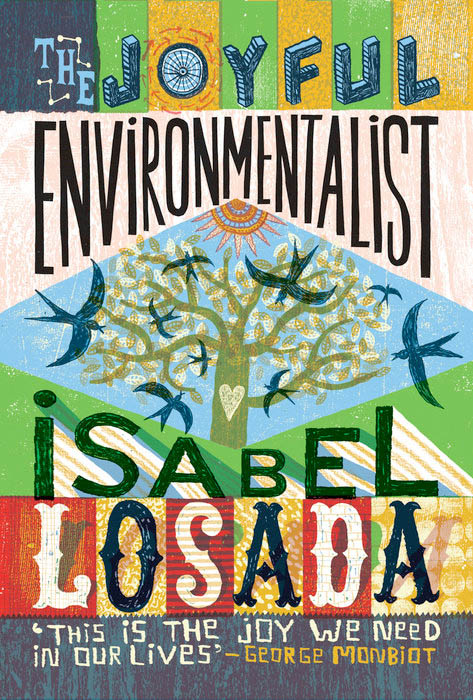 In The Joyful Environmentalist, Isabel Losada proves that climate action doesn’t have to be dour or guilt-ridden. With a wry grin and a reporter’s curiosity, she turns the quest for sustainable living into a series of humorous, eye-opening adventures. From politely sparring with grocery managers about plastic packaging to grilling the proprietor of an organic veggie service, Losada reveals that the path to a greener life can be as delightful as it is challenging. In The Joyful Environmentalist, Isabel Losada proves that climate action doesn’t have to be dour or guilt-ridden. With a wry grin and a reporter’s curiosity, she turns the quest for sustainable living into a series of humorous, eye-opening adventures. From politely sparring with grocery managers about plastic packaging to grilling the proprietor of an organic veggie service, Losada reveals that the path to a greener life can be as delightful as it is challenging.
Structured around everyday themes—Plastic, Technology, Energy, Travel, and Fashion—Losada invites readers to drop in anywhere. Each chapter stands alone: some read like brief essays, others like interviews or quick-fire lists of eco-tips. She chronicles her own experiments in reducing her digital carbon footprint, switching to biking, and even reevaluating dishwashing liquid brands. Quirky encounters abound, including a memorable visit to a Welsh eco-village where tea is served in a five-star-rated “tea tepee,” and goats keep watch over the showers. While the book leans heavily on individual action, Losada also zooms out to “The Big Picture” and “The Law,” exploring collective action and ending with an unexpected concession. She tackles climate anxiety head-on, nodding to the importance of Obsessive Climate Anxiety, and prescribes mindful moments: listen to birdsong, savor hawthorn blossoms, pour another glass of vegan wine. The Joyful Environmentalist is ultimately an invitation to find pleasure and purpose in the fight for our planet. Click here to Purchase | | | | | | RCC prides itself on its National Campus Network of more than 87 colleges and universities. We are working to engage faculty members, students, and administrators in our efforts for a more just and sustainable world. With our growing fellowship program, our presence on campuses across the country has never been greater. Contact RCC today to bring our staff to your campus for lectures, workshops, or meetings to help find the best ways to engage your faculty and students in the efforts against climate change, environmental justice, and the work of the Rachel Carson Council. Campus Visits with RCC President, Dr. Robert K. Musil 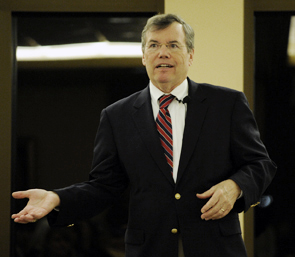 RCC President & CEO, Dr. Robert K. Musil, a national leader in climate change, environmental justice and health is available to book for in-person campus speaking events! Musil has been called “informative, challenging and inspirational all at once.” He is “motivational” with “intellectual depth” and “extraordinary impact.” RCC President & CEO, Dr. Robert K. Musil, a national leader in climate change, environmental justice and health is available to book for in-person campus speaking events! Musil has been called “informative, challenging and inspirational all at once.” He is “motivational” with “intellectual depth” and “extraordinary impact.”
Dr. Musil offers compelling campus lectures and visits involving classes, meetings with campus and community groups, consultations with faculty and administrators, or for Earth Day, Commencement, and other special events. Stays range from one to three days. Reduced fees are in place for 2025-2026 and can be designed to meet reduced budgets. To arrange a campus visit with Dr. Musil, contact the RCC President’s Office at [email protected] The RCC also offers talks, classes, and workshops on student engagement, activism, sustainability, and the RCC Fellowship program with: Director of Communications, Sydney O'Shaughnessy; Director of Campus and Civic Engagement, Diego Tovar; and Director of Policy and Strategic Development, Joy Reeves. To arrange, contact Director of Campus and Civic Engagement, Diego Tovar. | | | | | | The September issue of RCC's Campus Dispatch was produced by Ross Feldner | | | |  Sign Up Here to Receive the RCC E-News and Other RCC Newsletters, Information and Alerts. Sign Up Here to Receive the RCC E-News and Other RCC Newsletters, Information and Alerts. | | | | | | RACHEL CARSON COUNCIL
8600 Irvington Avenue
Bethesda, MD 20817
(571) 262-9148
[email protected]
@rachelcarsoncouncil.org | | | | | | | | | | | |