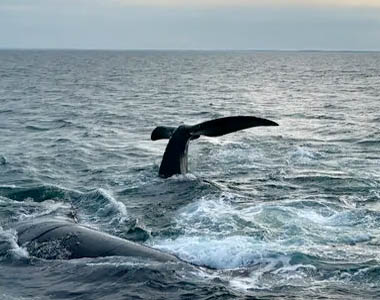
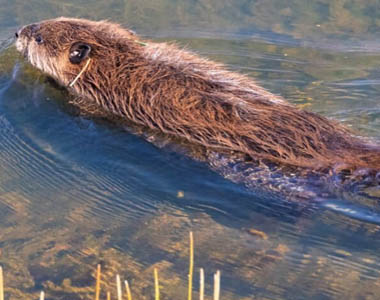
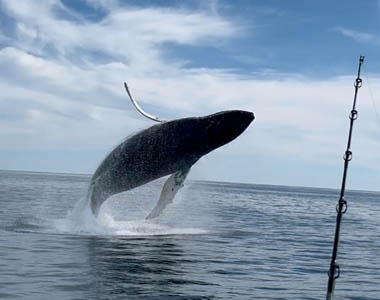
 | | | As the leaves begin to change from a verdant forest to a fiery red, we turn our eyes from the rolling countryside to the ocean. The sea continues to be a place where history, science, and politics collide. From long-awaited victories for conservation to new discoveries beneath the waves, the stories in this September issue of RCC’s Coasts and Ocean Observer remind us that resilience and fragility are never far apart. In “Breaking News/Breaking Waves,” read about the hard-fought treaty to protect ocean life that has finally cleared its last hurdle, offering hope for biodiversity on the high seas. At the same time, a shipwreck lost nearly a century ago has been found off the coast of Nantucket, giving us a rare glimpse of the past preserved underwater. 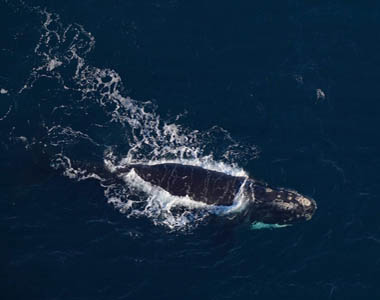 Our “Marine Life and Conservation” section brings both delight and discovery. Researchers have captured stunning images of a mother-calf whale pair—an occurrence so rare it feels like a gift. Small, but crucial modifications to turtle excluder devices in the Gulf are making a big difference for sea turtle survival. In inland waterways, the restoration of beavers to tribal lands in California shows how ecosystems can heal when balance is restored. You’ll also find innovative strategies to track endangered right whales, as well as a joyful encounter of a pod of whales breaching beside a fishing boat off the New Hampshire coast. Our “Marine Life and Conservation” section brings both delight and discovery. Researchers have captured stunning images of a mother-calf whale pair—an occurrence so rare it feels like a gift. Small, but crucial modifications to turtle excluder devices in the Gulf are making a big difference for sea turtle survival. In inland waterways, the restoration of beavers to tribal lands in California shows how ecosystems can heal when balance is restored. You’ll also find innovative strategies to track endangered right whales, as well as a joyful encounter of a pod of whales breaching beside a fishing boat off the New Hampshire coast.
September also brings turbulent news in “Climate and Energy.” Offshore wind faces new legal battles as states and energy companies challenge the halt of the Revolution Wind project. The project enjoys community support, with even Trump-voting fishermen expressing opposition to the freeze. Meanwhile, the impacts of climate change are being felt onshore, with rising risks making home insurance unaffordable for many communities. And in sobering science, a new study warns that coral reefs may not survive in a warming world. 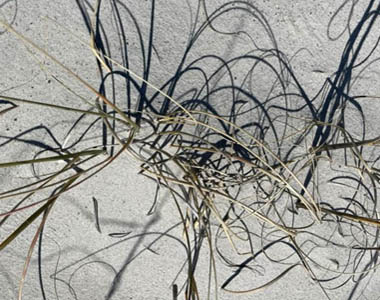 Turning to “Coasts and Environmental Justice,” we feature RCC NELF Fellow Ava Kocher’s beautiful essay Sands Still Shift (well-worth the read). There are also stories of coastal zones, with valuable bayous vanishing in Louisiana as habitats while in North Carolina coastal marshes offer one of the best ways to store carbon in the fight against climate change. Far north, in Alaska, melting ice has revealed a brand-new island, underscoring the dramatic reshaping of coastlines already underway. Turning to “Coasts and Environmental Justice,” we feature RCC NELF Fellow Ava Kocher’s beautiful essay Sands Still Shift (well-worth the read). There are also stories of coastal zones, with valuable bayous vanishing in Louisiana as habitats while in North Carolina coastal marshes offer one of the best ways to store carbon in the fight against climate change. Far north, in Alaska, melting ice has revealed a brand-new island, underscoring the dramatic reshaping of coastlines already underway.
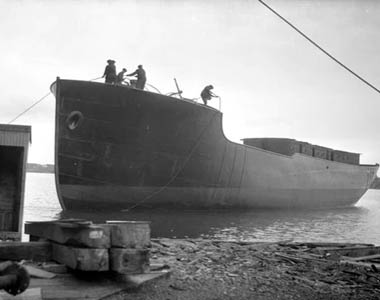
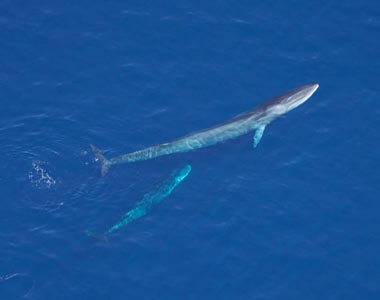
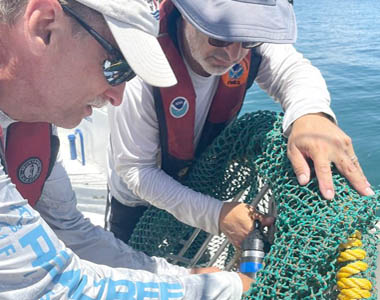
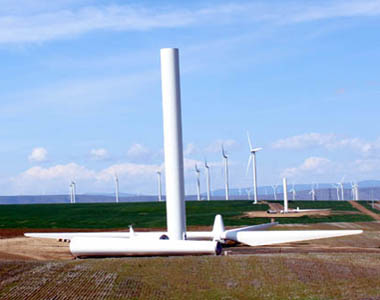
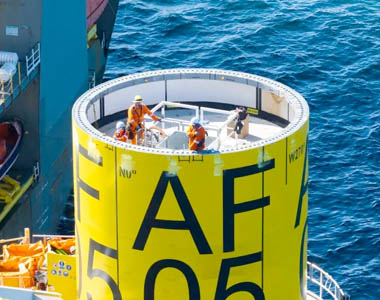
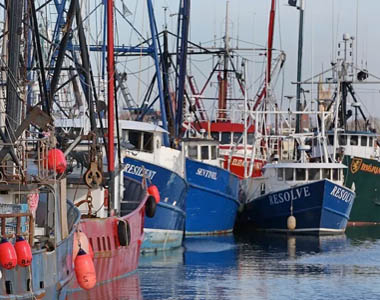
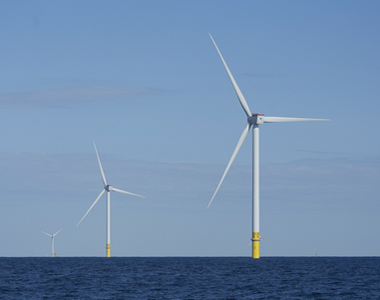
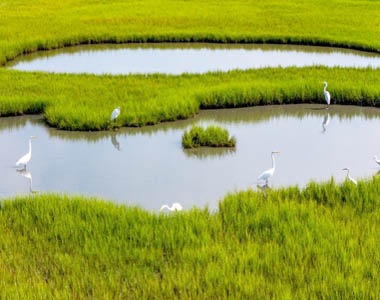
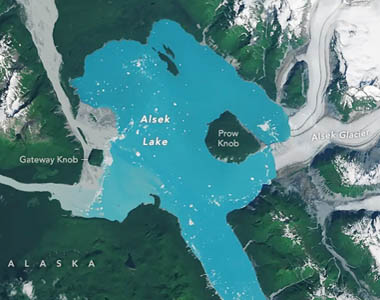
Finally, in our “Books” section, we highlight My Life with Sea Turtles by Christine Figgener. Figgener is a marine biologist whose fieldwork (and viral video of a sea turtle with a plastic straw) helped spark a global movement. Her memoir offers not only the wonder of working alongside sea turtles, but also the grit of being a woman in conservation and an urgent call to protect one of the ocean’s most ancient creatures. Whether you’re reading from the shoreline or far inland, we hope the stories from this month’s Ocean Observer leave you with both awe and urgency. The tides are shifting—will we shift with them? | | | | | | | | RCC Stanback Presidential Fellows - MacEva Wright and RCC Stanback Presidential Fellow - Ewan Dignon 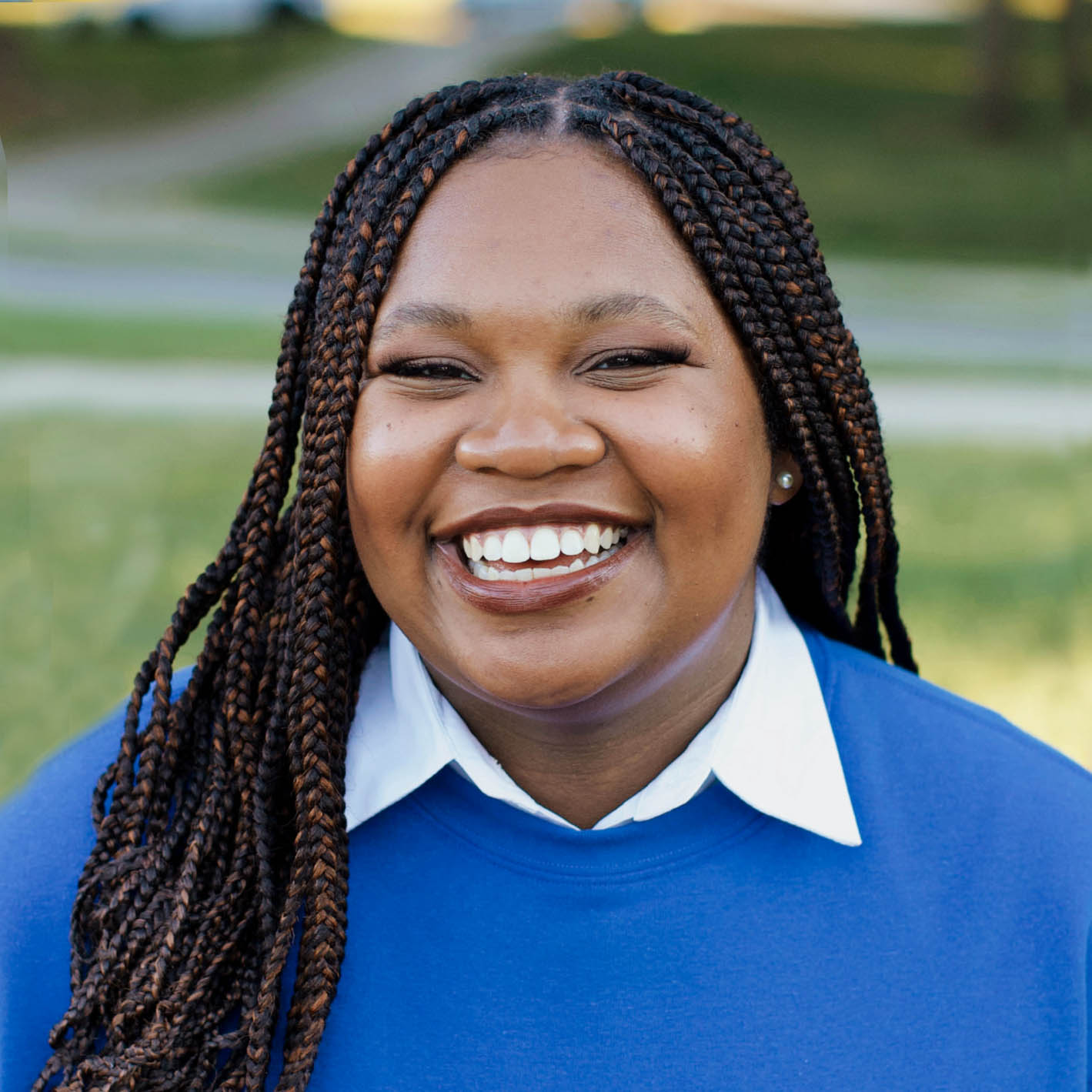 MacEva Wright is the co-lead of the RCC Coasts and Ocean program with Bob Musil. She is a second-year graduate student at Duke University’s Nicholas School of the Environment working on a Master’s of Environmental Management with an emphasis on Coastal and Marine Systems and Environmental Justice. MacEva Wright is the co-lead of the RCC Coasts and Ocean program with Bob Musil. She is a second-year graduate student at Duke University’s Nicholas School of the Environment working on a Master’s of Environmental Management with an emphasis on Coastal and Marine Systems and Environmental Justice. 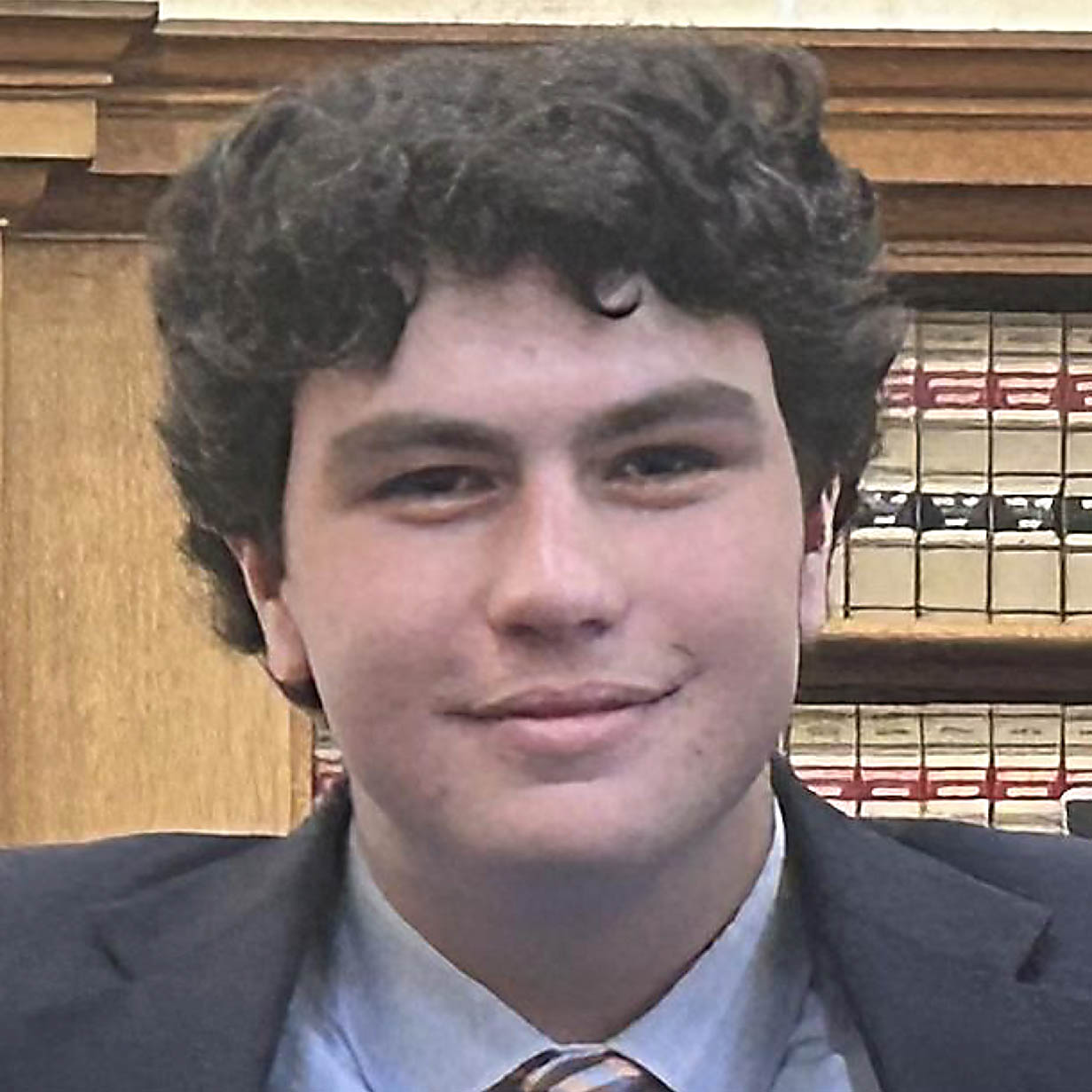 Ewan Dignon is the co-lead of the RCC Coasts and Ocean program with Bob Musil. He is an undergraduate at Duke University pursuing two degrees, Public Policy (B.A.) and Economics (B.A.), with a minor in Environmental Sciences and Policy. Ewan Dignon is the co-lead of the RCC Coasts and Ocean program with Bob Musil. He is an undergraduate at Duke University pursuing two degrees, Public Policy (B.A.) and Economics (B.A.), with a minor in Environmental Sciences and Policy. | | | | | | Hard-Fought Treaty to Protect Ocean Life Clears a Final Hurdle The global High Seas Treaty, decades in the making, will become international law. It aims to create vast maritime conservation areas. The high seas, the vast waters beyond any one country’s jurisdiction, cover nearly half the planet. On Friday, a hard-fought global treaty to protect the “cornucopia of biodiversity” living there cleared a final hurdle and will become international law. | | | | | | | | Wreck of Ship That Sank Nearly a Century Ago Found 200 Feet Underwater A dive team has identified a shipwreck off the coast of Nantucket as a World War I-era fishing boat that sank nearly 100 years ago with more than 20 men aboard. The ST Seiner was last seen in January 1929, according to a news release from the Atlantic Wreck Salvage, a company that searches for lost wrecks. The 139-foot ship, built in 1921, set sail from New London, Connecticut, on Jan. 9. The ship's captain made his last daily report to the Portland Trawling Company on Jan. 18. | | | | | | | | Researchers Thrilled After Capturing Images of Stunning Mother-baby Duo in Ocean Waters: 'A Rare Occurrence' An aerial survey of marine wildlife in the Northeast Canyons and Seamounts Marine National Monument turned up an unexpected but very welcome sight. As CBS reports, the researchers from the New England Aquarium were pleasantly surprised that among the 1,000 marine animals recorded was a fin whale and her newborn calf. The monument is a protected area of nearly 5,000 square miles in the North Atlantic. | | | | | | | | Small Modifications to Turtle Excluder Devices Have Big Impacts for Gulf Sea Turtles A recently completed restoration project finds that modifications to the bar spacing on turtle excluder devices can successfully exclude small turtles while maintaining shrimp catch. A recently completed project successfully developed and tested new turtle excluder devices with narrower bar spacing. These devices were found to effectively reduce juvenile sea turtle bycatch while causing no significant decrease in shrimp catch. | | | | | | | | Beavers Restored to Tribal Lands in California Benefit Ecosystems The pictograph, an ochre-red outline with four paws and an unmistakable paddle of a tail, has been on the reservation “my whole life,” said Kenneth McDarment, a member of the Tule River Tribe. It’s just one of many paintings — of people, geometric designs and other wildlife — from 500 to 1,000 years ago adorning the walls of a site called Painted Rock in the southern California foothills of the Sierra Nevada mountains. But today, it stands out to McDarment, who formerly served on the Tule River Tribal Council. | | | | | | | | Follow The Food: Scientists Devise New Strategy To Track Endangered Right Whales A new method of tracking North Atlantic right whales could significantly improve the ability of scientists to predict their locations, potentially bolstering conservation efforts for the critically endangered marine mammal species. Because of how few right whales remain in the Atlantic and how extensive their territorial range is, tracking them directly is extremely difficult and expensive, forcing scientists to rely on indirect tracking techniques. | | | | | | | | 'This is something you see at Seaworld': Whales Breach Next to Fishing Boat Off Coast of NH Dale Sprague and his friend Matt Hamilton were fishing for haddock off the coast of New Hampshire when they got quite a surprise. On Sept. 16, three whales surrounded Sprague's 30-foot fishing boat, about 10 miles past the Isles of Shoals, startling the fishermen, who were able to get a video of two of the whales breaching nearby. | | | | | | | | Revolutions Per Minute There is a battle underway off the Rhode Island coast. This time, it is not between an Amity Island fishing boat and a shark too big for their boat, or even Billy Joel and his “Downeaster Alexa.” It is the battle between cheap, clean energy and the Trump Administration. The Revolution Wind project was 80% complete when the Bureau of Ocean Energy Management (BOEM) issued a “stop-work order.” The justification for this was ostensibly national security-related, as Ørsted, the company developing the project, is not American but Danish. | | | | | | | | ‘Bizarre’ and ‘unlawful:’ States, Ørsted Challenge Revolution Wind Freeze Trump halted the huge, nearly complete offshore wind project two weeks ago. Rhode Island, Connecticut, and its developer want courts to block that decision. The Trump administration’s latest attack on an in-progress offshore wind project is now being challenged in court. Two lawsuits announced Thursday — one brought by the wind farm’s developers, the other by Rhode Island and Connecticut — seek immediate relief from a federal stop-work order that froze construction of Revolution Wind two weeks ago. | | | | | | | | | | ‘It’s madness’: Trump-voting Fishermen Oppose Revolution Wind Halt The Rhode Island offshore wind project, now nearly finished, employed 80 fishermen to help with construction. With Trump’s pause, they are losing vital income. The Trump administration’s order to stop construction of the nearly completed Revolution Wind project is putting hundreds of offshore workers out of a job — including dozens of local fishermen who voted for President Donald Trump and are asking him to reverse course. | | | | | | | | How Climate Risks Are Putting Home Insurance Out of Reach After years underestimating the risks posed by climate-fueled disasters, the U.S. home insurance industry is in turmoil. In vulnerable areas, rising insurance costs are upending housing markets and communities, as homeowners scramble to try to find insurance they can afford. For decades, Sanibel Island, one of the most treasured vacation resorts in America, was an insurance agent’s dream. | | | | | | | | Corals Won’t Survive a Warmer Planet, a New Study Finds If global temperatures continue rising, virtually all the corals in the Atlantic Ocean will stop growing and could succumb to erosion by the end of the century, a new study finds. The analysis of over 400 existing coral reefs across the Atlantic Ocean estimates that more than 70 percent of the region’s reefs will begin dying by 2040 even under optimistic climate warming scenarios. | | | | | | | | Sands Still Shift Graceful curls of sea oats dip and sway overhead. The breeze animates the grasses, breathing flurries of spirit that skim across the topography and through malleable botanical bodies. In parallel tempos, ringlets of cast shadows move in unison with their photosynthetic partners. The shadows are elegant brushstrokes painted on a dynamic canvas of sand. The sun scatters a path of sparkling light across the water so blinding that it forces your eyes to squint against your will. | | | | | | | | Vanishing Bayous: On a Boat at Ground Zero for Sea Level Rise Eric Verdin clearly knew where he was going. These waters are like family, after all, but his GPS plotter was frantic. Using the latest marine charts, its line tracing our path on the screen in front of us blinked red, warning us that we were about to plow into dry land. It was a good time, it seemed to suggest, to ABANDON SHIP. But we had open seas ahead of us and 8 feet of water under our keel. “There used to be an orange grove here,” our captain conceded with a shrug. | | | | | | | | Coastal Habitats Are North Carolina’s Hidden Climate Engines When most people think about fighting climate change, they think about cutting tailpipe emissions, swapping coal plants for solar panels, or driving electric cars. But there’s another powerful tool right in front of us: coastal habitats like salt marshes and submerged seagrass meadows. These living ecosystems are not just fish nurseries, wildlife havens and storm buffers — they are also massive storehouses for carbon, helping slow the pace of global warming. | | | | | | | | As Ice Melts, a New Island Emerges in Alaska The Alsek Glacier in southeastern Alaska once encircled a small rocky mound known as Prow Knob. But in recent decades, the retreat of the glacier has left Prow Knob as a freestanding island. A century ago, the Alsek Glacier extended 3 miles beyond Prow Knob, ending at Gateway Knob, which sits at the opposing end of what is now Alsek Lake. This summer, the glacier finally lost contact with Prow Knob, as shown in satellite imagery from NASA. | | | | | | | | My Life with Sea Turtles A Marine Biologist's Quest to Protect One of the Most Ancient Animals on Earth By Christine Figgener "A WONDERFUL READ ... Christine's deep love for turtles comes through on each page."—CRAIG FOSTER, MY OCTOPUS TEACHER "Will appeal to anyone interested in the world around us."—DR. JANE GOODALL 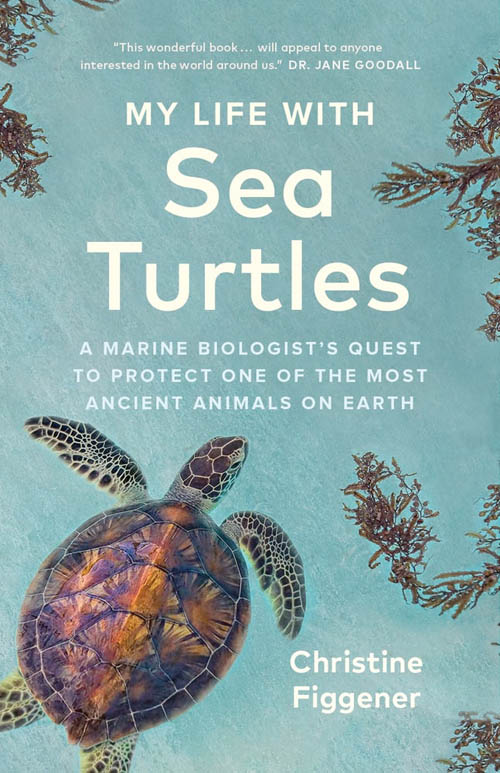 Filled with reverence and wonder for the natural world, this captivating book reveals the secret life of sea turtles, one of the oldest living creatures on Earth, and the story of one female scientist's fight to save their future. Filled with reverence and wonder for the natural world, this captivating book reveals the secret life of sea turtles, one of the oldest living creatures on Earth, and the story of one female scientist's fight to save their future.
In 2015, a team of researchers carefully removed a plastic straw from a sea turtle's nostril off the coast of Costa Rica. The disturbing incident, which was captured on video, went viral, leading to corporate straw bans around the world. In this evocative book, reminiscent of Jane Goodall's memoir In the Shadow of Man, the marine biologist behind the camera, Christine Figgener, recounts her own life spent studying and protecting sea turtles.
From the time she was a young girl, Figgener was determined to become a biologist, and study the marvels of the marine world. In My Life With Sea Turtles, she shares how she went from a small, gray town on the edge of industry to the lush coastline of Costa Rica, where she fell in love with the local environment and its famous residents: the sea turtles. Figgener describes patrolling the beach at night, swimming with turtles in the open ocean, watching tiny turtles emerge from sandy nests, and risking her life during tropical storms. We learn about her experience as a woman in conservation, a male dominated space where she struggles to be taken seriously. Through discovering the fascinating science of sea turtles and the threats they face today, readers will be inspired to live their own lives differently to ensure the survival of these magnificent creatures. Published in Partnership with the David Suzuki Institute Click here to purchase | | | | | | The September 2025 issue of RCC's Coasts and Ocean Observer was produced by Ross Feldner | | | | | |  The Rachel Carson Council Depends on Tax-deductible Gifts From Concerned Individuals Like You. Please Help If You Can. The Rachel Carson Council Depends on Tax-deductible Gifts From Concerned Individuals Like You. Please Help If You Can. | | | | | | | |  Sign Up Here to Receive the RCC E-News and Other RCC Newsletters, Information and Alerts. Sign Up Here to Receive the RCC E-News and Other RCC Newsletters, Information and Alerts. | | | | | | RACHEL CARSON COUNCIL
8600 Irvington Avenue
Bethesda, MD 20817
(571) 262-9148
[email protected] | | | | | | | | | | | |