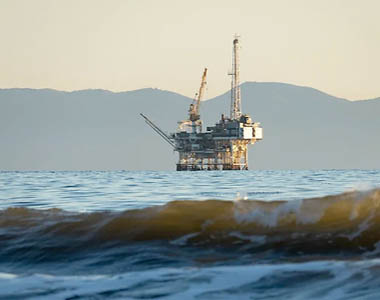
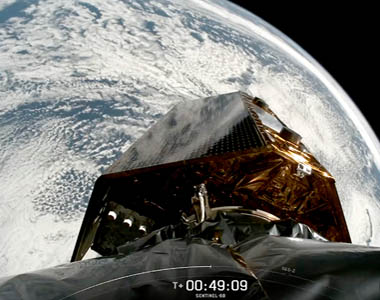
 | | | Happy Thanksgiving! All of us at the Rachel Carson Council wish you and your family a warm, joyful, and delicious holiday. This year, we’re giving thanks for progress in climate action, including the agreements emerging from COP30 in Brazil. Notably, 92% of national climate plans now include at least one section on ocean conservation—a 20% increase from just three years ago. Still, not everything has been merry and bright, as federal policy continues to shape the future of our ocean ecosystems. 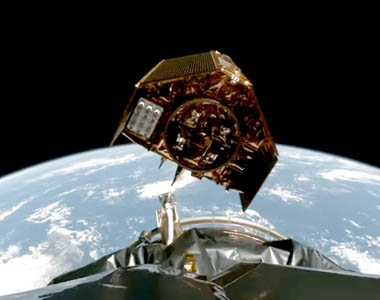 In Breaking Waves/Breaking News, learn about new energy and mineral policies proposed by the Trump Administration. Washington plans to auction off deep-sea mining parcels near the Mariana Trench and lease offshore oil fields along the Pacific coast, inviting pollution and habitat degradation. On a more uplifting note, the Sentinel-6B satellite has launched into orbit, adding a new “star” to the sky and continuing a vital long-term sea level rise monitoring mission. In Breaking Waves/Breaking News, learn about new energy and mineral policies proposed by the Trump Administration. Washington plans to auction off deep-sea mining parcels near the Mariana Trench and lease offshore oil fields along the Pacific coast, inviting pollution and habitat degradation. On a more uplifting note, the Sentinel-6B satellite has launched into orbit, adding a new “star” to the sky and continuing a vital long-term sea level rise monitoring mission.
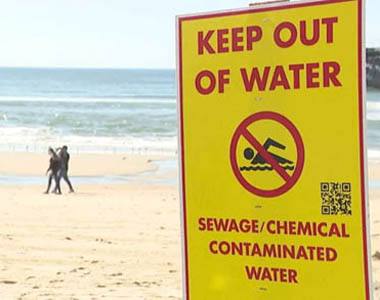
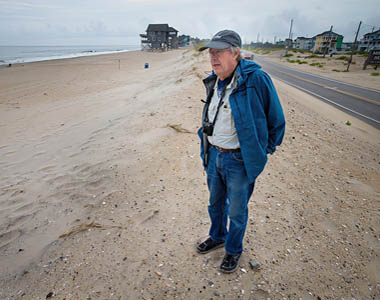
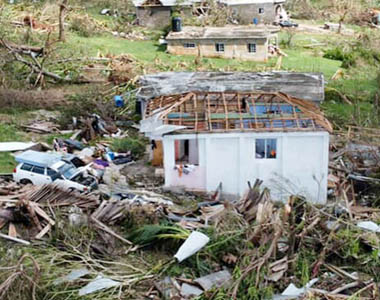
In our Coasts and EJ section, read a personal narrative from RCC’s own Nam Thanh Nguyen. An undergraduate at UCSD, Nguyen arrived at the beach to surf only to encounter water contaminated by a “strong, sour, metallic smell.” His article explores the causes and impacts of that pollution. You’ll also find updates in coastal research: Dr. Stan Riggs of East Carolina University has begun a 10-book project, and the College of William & Mary recently hosted a conference on coastal resilience. Meanwhile, on Nantucket and across the U.S., families anxiously await news from relatives in Jamaica after Hurricane Melissa knocked out electrical and cellular networks.  Climate and Energy news brings some promising developments following the recent off-year election results in Virginia. Climate ally Gov.-Elect Abigail Spanberger may be positioned to shield the Coastal Virginia Offshore Wind Project from federal interference, helping defend clean, affordable energy. You’ll also find another perspective on the Sentinel-6B launch. And in San Diego, Nguyen’s beach may be recovering on its own: a new paper finds that beach erosion has remained stable over the past four decades, with most Southern California beaches actually growing in width last year. Climate and Energy news brings some promising developments following the recent off-year election results in Virginia. Climate ally Gov.-Elect Abigail Spanberger may be positioned to shield the Coastal Virginia Offshore Wind Project from federal interference, helping defend clean, affordable energy. You’ll also find another perspective on the Sentinel-6B launch. And in San Diego, Nguyen’s beach may be recovering on its own: a new paper finds that beach erosion has remained stable over the past four decades, with most Southern California beaches actually growing in width last year.
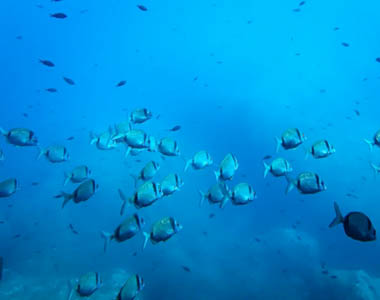
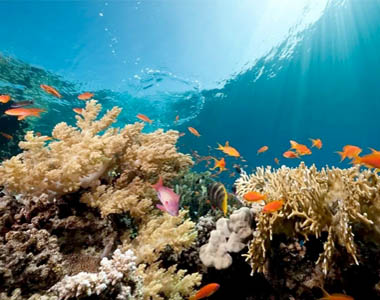
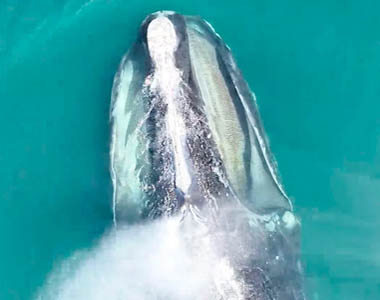
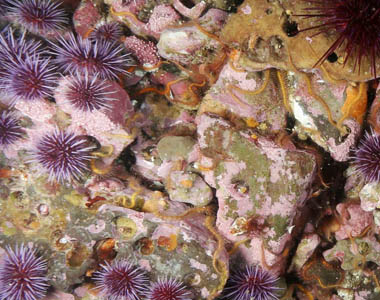
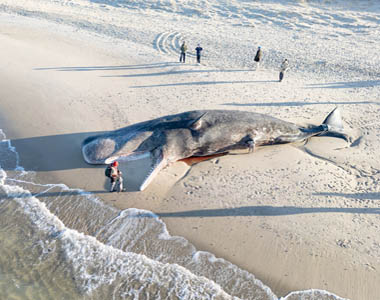
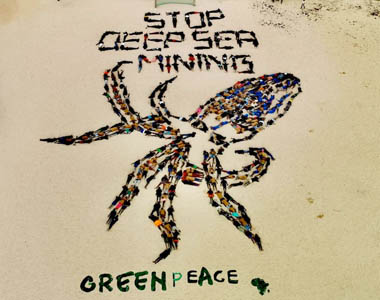
Marine Life sightings have slowed as the ocean cools and species migrate south to warmer waters. However, a drone project tracking right whales off Massachusetts for eight years has uncovered a key tool for monitoring the endangered species’ health: microbes in their breath. On the West Coast, the opposite trend is unfolding as disease continues to devastate sunflower sea star populations, leaving purple sea urchins unchecked. And on Nantucket, a sperm whale has washed ashore, though the cause remains unknown. 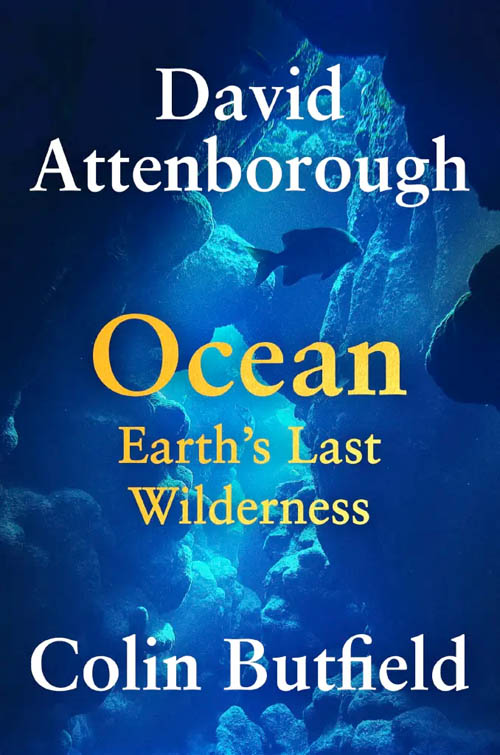 In Pollution, our partners at Greenpeace USA weigh in on the administration’s push to open deep-sea mining. Read on for their response to this dangerous gambit. In Pollution, our partners at Greenpeace USA weigh in on the administration’s push to open deep-sea mining. Read on for their response to this dangerous gambit.
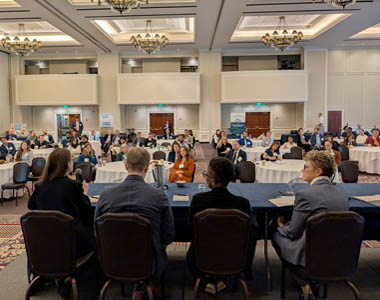
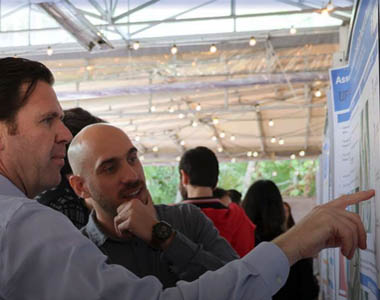
You can also explore highlights from the fourth annual Optimizing Solutions for Resilient Coasts Summit, hosted in Gainesville, FL by the University of Florida. There, university researchers and government officials gathered to advance solutions that will strengthen southeastern coastal ecosystems for years to come.
Additionally, in May, Sir David Attenborough released a new book, Oceans: Earth’s Last Wilderness, to accompany his remarkable documentary. Co-authored with Colin Butfield, the book guides readers through the history and current state of the ocean while weaving in stories from Sir David’s own life. You’ll find a link to learn more and purchase the book.
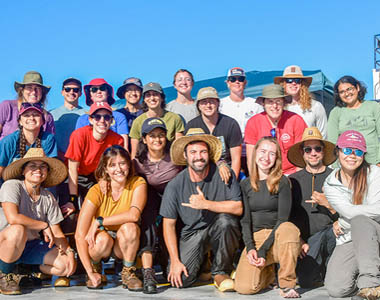
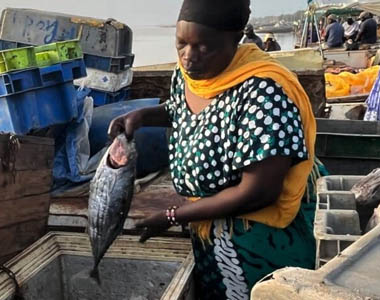
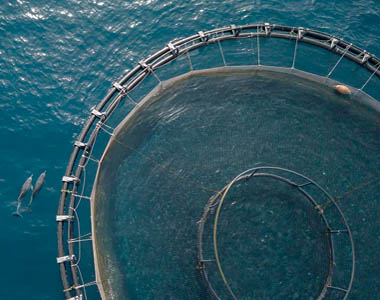
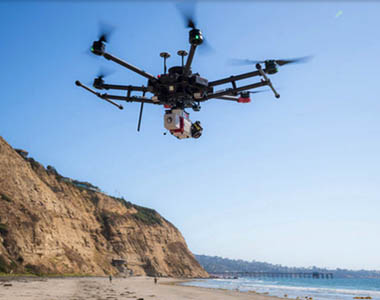
We’ll miss you in December, but be sure to catch our January issue of the RCC Coasts and Oceans Observer. In case we don’t see you before then, we wish you a Happy Thanksgiving, Happy Holidays, and a bright New Year! | | | | | | | | RCC Presidential Fellows - MacEva Wright and Ewan Dignon 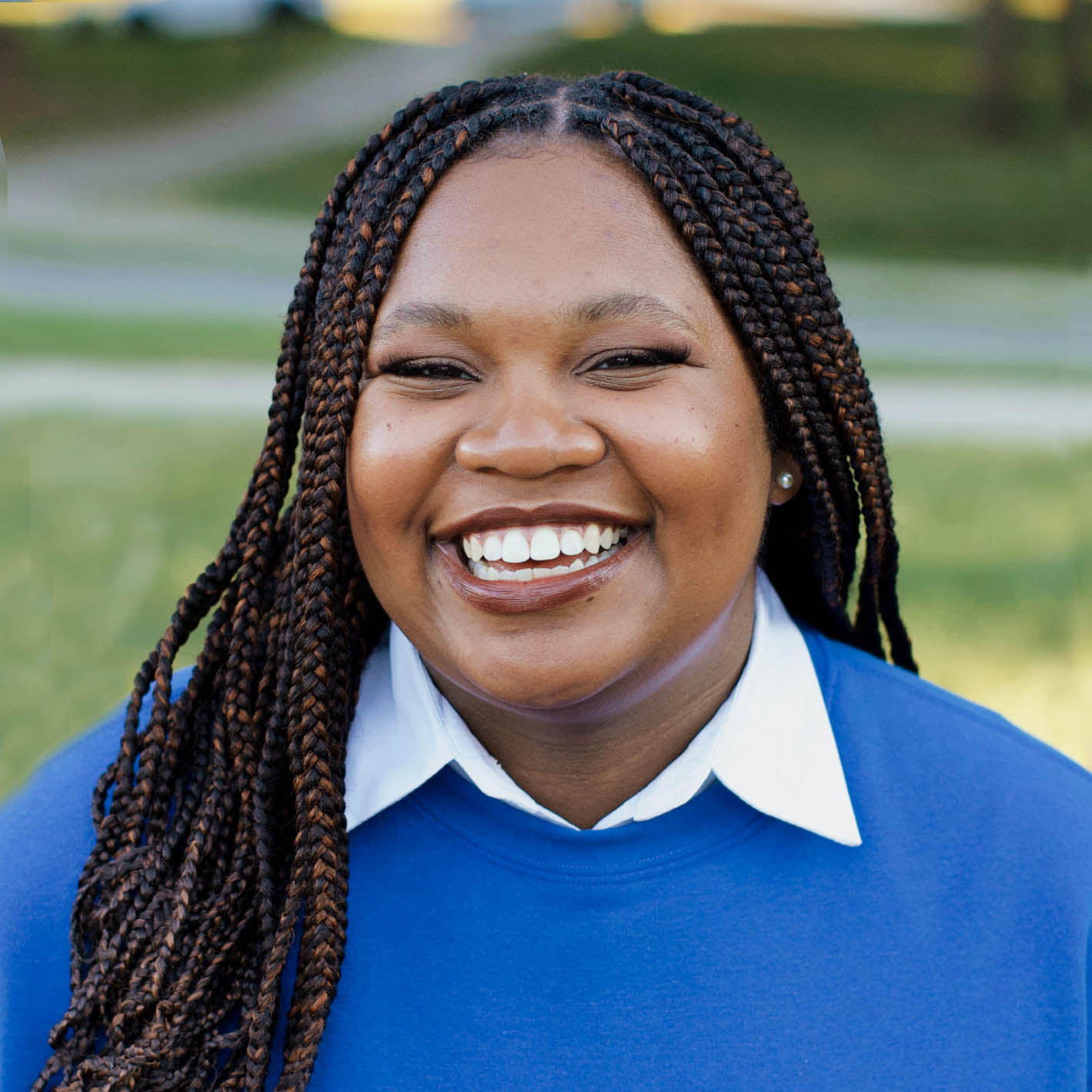 MacEva Wright is the co-lead of the RCC Coasts and Ocean program with Bob Musil. She is a second-year graduate student at Duke University’s Nicholas School of the Environment working on a Master’s of Environmental Management with an emphasis on Coastal and Marine Systems and Environmental Justice. MacEva Wright is the co-lead of the RCC Coasts and Ocean program with Bob Musil. She is a second-year graduate student at Duke University’s Nicholas School of the Environment working on a Master’s of Environmental Management with an emphasis on Coastal and Marine Systems and Environmental Justice. 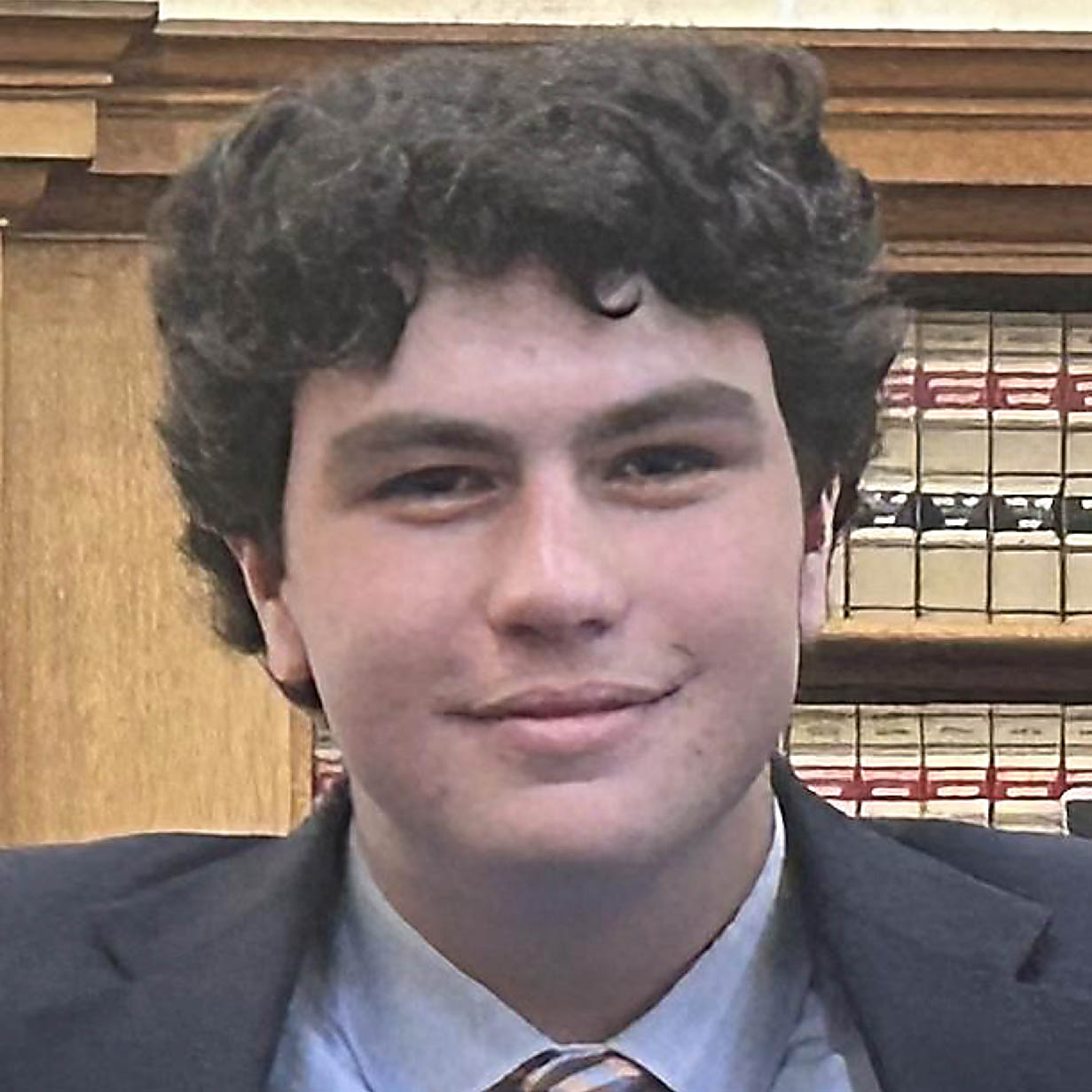 Ewan Dignon is the co-lead of the RCC Coasts and Ocean program with Bob Musil. He is an undergraduate at Duke University pursuing two degrees, Public Policy (B.A.) and Economics (B.A.), with a minor in Environmental Sciences and Policy. Ewan Dignon is the co-lead of the RCC Coasts and Ocean program with Bob Musil. He is an undergraduate at Duke University pursuing two degrees, Public Policy (B.A.) and Economics (B.A.), with a minor in Environmental Sciences and Policy. | | | | | | Trump Sets Sights on Pacific Seafloor Near the Marianas Trench Efforts to expand deep-sea mining are alarming scientists and Indigenous leaders, who worry mining risks fisheries and food security. The Trump administration is expanding its deep-sea mining ambitions to the region around the Marianas Trench in the western Pacific, and is nearly doubling the proposed seabed mining area around American Samoa from 18 million acres to 33 million acres, an area bigger than Peru. | | | | | | | | Oceans at COP30: Moving Beyond Pledges to Build an Architecture for Change Brazil, the host country of COP30, is looking to integrate ocean-based measures into the heart of the global climate negotiations. One of the topics poised to define the COP30 summit is the ocean. Brazil, which is hosting this year’s UN climate negotiations, has acknowledged that we cannot mitigate climate change without recognizing the key role oceans play in the scene alongside the other great lung of the planet: forests. | | | | | | | | Trump Administration Aims to Auction Offshore Oil Leases Along U.S. Coastlines That Have Been Off-limits for Decades Offshore oil leases are common along the Gulf Coast of Texas and Louisiana, as well as parts of Alaska, but there are currently no active oil leases on the Atlantic coast, and California has not had a new oil lease since 1984. This comes as the Department of Interior formally announced plans this week to reopen 1.56 million acres in the Coastal Plain of the Arctic National Wildlife Refuge. | | | | | | | | Shaken and Stirred: Teaching the Next Generation of Oceanographers about Ocean Turbulence and Mixing A recap from the Combined Ocean Mixing Course, Experiments and Practices for Turbulence Sampling (COMCEPTS) student-led course If you’ve ever been on an airplane, you know how turbulence feels: shaky and chaotic. Just like there is turbulence in the air, there is turbulence in the ocean, except ocean turbulence doesn’t require you to fasten your seatbelt. Ocean turbulence is a good thing actually. | | | | | | | | When the Tide Smells Wrong The first time I tried to surf Imperial Beach with friends, the lifeguard walked over, pointed at the yellow sign, and said, “Closed,contamination.” The tide looked fine, yet the air didn’t. It carried a strong, sour, metallic smell that locals recognize before the wind even changes. We tossed our boards back in the car and drove north to Pacific Beach. The ocean shouldn’t require a detour. Imperial Beach is situated at the end of a watershed that originates in the mountains of Baja California and extends into the U.S. as the Tijuana River. | | | | | | | | Coastal Geologist Stan Riggs Sets Out on 10-book Project It was a nasty January day about 14 years ago, not long after publication of his book, “The Battle for North Carolina’s Coast: Evolutionary History, Present Crisis, and Vision for the Future,” when veteran East Carolina University coastal scientist Dr. Stan Riggs, the book’s lead author, had an unexpected and impactful visit. Not only did it prolong the sunset of his then-50-yearlong career, it cemented the reach of his legacy beyond academia to the lives of everyday people. | | | | | | | | W&M’s Cross-university Environmental Initiative Hosts Inaugural Conference The Virginia Coastal Resilience Collaborative (VCRC) at William & Mary set out with the mission of gathering important voices from community, academic and government partners across the Commonwealth of Virginia and beyond to promote and enable scientifically informed, participatory decision-making for resilience finance. Vital steps towards this goal took place at their inaugural conference, “Securing Virginia’s Future: National Perspectives on State & Local Resilience Finance,” on Williamsburg, Virginia, on Oct. 3, 2025. | | | | | | | | After Hurricane Melissa, Nantucket's Jamaican Community Waits And Worries Sitting in the lobby of the Jared Coffin House, more than 1,600 miles away from his home in Jamaica, all Anthony Litchmore could do this week was worry as he waited for news from his home island. Litchmore's family is from the St. Elizabeth Parish, one of the areas hardest hit by Hurricane Melissa, the most powerful storm ever to make landfall on Jamaica. With all of the country’s cellular networks down as a result of the devastating hurricane, Litchmore had not heard from his family or one of his two young daughters, who were caught directly in its path. | | | | | | | | | | West Africa’s Oceans Get $68 Million Lifeline Amid Fisheries Decline A coalition of international organizations has launched the West Africa Sustainable Ocean Programme to tackle the region’s deepening fisheries decline. Led by the IUCN (the global wildlife conservation authority), Expertise France and the Fisheries Committee for the West Central Gulf of Guinea (FCWC), the WASOP initiative aims to curb illegal fishing, restore marine ecosystems, and promote a sustainable blue economy. | | | | | | | | MARA Act to Strengthen Sustainable Offshore Aquaculture in the US Representatives Mike Ezell (R-MS-04), Ed Case (D-HI-01), Kat Cammack (R-FL-03), and Jimmy Panetta (D-CA-19) introduced the Marine Aquaculture Research and Advancement (MARA) Act of 2025, a bipartisan bill that empowers the National Oceanic and Atmospheric Administration (NOAA) to expand offshore aquaculture in a sustainable, science-based, and environmentally responsible way. | | | | | | | | Falcon 9 Launches Sentinel-6B Satellite to Monitor Global Sea Level A Falcon 9 launched a joint U.S.-European satellite to monitor sea levels Nov. 17, extending a record of measurements that dates back more than three decades. The Falcon 9 lifted off from Vandenberg Space Force Base in California at 12:21 a.m. Eastern. The rocket’s upper stage deployed the Sentinel-6B satellite into its intended orbit about 57 minutes later. | | | | | | | | Will Blue Wave Buoy Massive Virginia Offshore Wind Project? Virginia’s election this month of a Democratic governor raised fears that the Trump administration would try to stop another major offshore wind project, but analysts say it’s increasingly unlikely that federal officials will mount a successful challenge. That’s because a strong showing by Democrats around the country — plus the late-stage construction status of the Coastal Virginia Offshore Wind Project, or CVOW — could make roadblocks hard for administration officials to carry out. | | | | | | | | California Beach Widths Show Resilience Two new studies from researchers at UC San Diego's Scripps Institution of Oceanography provide encouraging news about California's beaches at both local and statewide scales. The 2025 San Diego County Beach Report found most beaches in the region grew in width last year as beaches entered a post-El Niño recovery phase, while a companion study published in Nature Communications discovered that California's average beach width has remained remarkably stable across nearly four decades despite notable examples of beach erosion. | | | | | | | | Drones Spent 8 Years Flying Over Massachusetts Waters. What They Found Could Help Save One of Earth's Biggest Animals The drones' mission was to collect the breath of critically endangered North Atlantic right whales in Cape Cod Bay. For the first time, scientists have discovered that the microbes in a whale’s breath can reveal vital clues about its health. The research offers hope for protecting the critically endanged North Atlantic whale. | | | | | | | | How Sea Star Wasting Disease Transformed the West Coast’s Ecology and Economy Before 2013, divers on North America’s west coast rarely saw purple sea urchins. The spiky animals, which are voracious kelp eaters,- were a favorite food of the coast’s iconic sunflower sea stars. The giant sea stars, recognizable for their many arms, kept the urchin population in check, with the help of sea otters, lobsters and some large fishes. | | | | | | | | Sperm Whale Washes Up On Nantucket's North Shore A large sperm whale washed up along Nantucket's north shore on Sunday, and marine mammal officials are racing to recover and learn more about the deceased cetacean. Members of the Marine Mammal Alliance Nantucket (MMAN) inspected the carcass at low tide Sunday afternoon in several feet of water and determined it was a 50-foot male sperm whale. The cause of its death was not immediately known. | | | | | | | | Greenpeace USA Warns: Deep Sea Mining is a High-Risk, Unsustainable Venture Built on Hype, Not Science Greenpeace USA led peaceful interventions at the Underwater Minerals Conference, a gathering of deep sea mining (DSM) companies, government representatives, scientists, and others with ties to the industry. Activists distributed an informational flyer on the financial, environmental, and governance risks of deep sea mining, and an industry cocktail event featured Greenpeace USA’s customized “Don’t Mine the Deep” cocktail napkins designed to mimic the conference branding. | | | | | | | | Optimizing Solutions for Resilient Coasts Summit Connecting 120+ thought leaders, inspiring speakers, and ecology / engineering students to share innovative solutions for improving water quality, restoring ecosystems, and building community resilience in Florida and the region. Join us for our fourth annual summit – Optimizing Solutions for Resilient Coasts – bringing together experts from academia, engineering, and government to advance strategies that improve water quality, restore ecosystems, and strengthen community resilience across Florida, the Southeast and beyond. | | | | | | | | Ocean
Earth’s Last Wilderness By Sir David Attenborough and Colin Butfield Award-winning broadcaster and natural historian David Attenborough and longtime collaborator Colin Butfield present a powerful call to action focused on our planet’s oceans, exploring how critical this habitat is for the survival of humanity and the earth’s future.
Through personal stories, history and cutting-edge science, Ocean uncovers the mystery, the wonder, and the frailty of the most unexplored habitat on our planet—the one which shapes the land we live on, regulates our climate, and creates the air we breathe. This book showcase the oceans’ remarkable resilience: they can, and in some cases have, recovered the fastest, if we only give them the chance.
Drawing a course across David Attenborough’s own lifetime, Ocean takes readers on an adventure-laden voyage through eight unique ocean habitats, countless intriguing species, and the most astounding discoveries of the last 100 years, to a future vision of a fully restored marine world—one even more spectacular than we could possibly hope for. Ocean reveals the past, present and potential future of our blue planet. It is a book almost a century in the making, but one that has never been more urgently needed. Purchase here | | | | The November 2025 issue of RCC's Coasts and Ocean Observer was produced by Ross Feldner | | | |  The Rachel Carson Council Depends on Tax-deductible Gifts From Concerned Individuals Like You. Please Help If You Can. The Rachel Carson Council Depends on Tax-deductible Gifts From Concerned Individuals Like You. Please Help If You Can. | | | | | | | |  Sign Up Here to Receive the RCC E-News and Other RCC Newsletters, Information and Alerts. Sign Up Here to Receive the RCC E-News and Other RCC Newsletters, Information and Alerts. | | | | | | RACHEL CARSON COUNCIL
8600 Irvington Avenue
Bethesda, MD 20817
(571) 262-9148
[email protected] | | | | | | | | | | | |