 | | | "For all at last return to the sea- to Oceanus, the ocean river, like the ever-flowing stream of time, the beginning and the end."
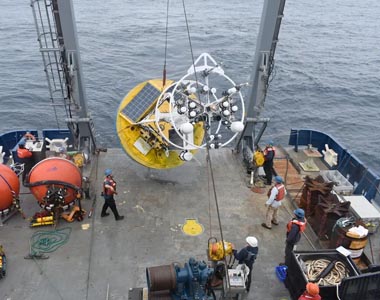
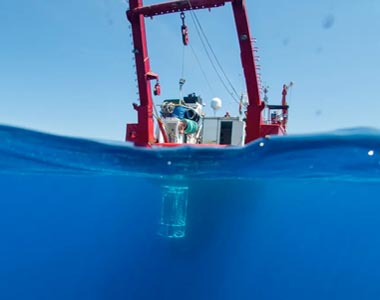
— Rachel Carson | | | | Happy World Oceans Month from the Rachel Carson Council! Ushering in extended sunshine and rising temperatures, June presents more reasons than ever to spend some time oceanside. This month, we’re highlighting motivating marine victories and forward-thinking calls to action from around the country. From the Great Lakes to the Gulf of Mexico, the North Pacific to Washington, D.C., there is something for every beach dweller and deep sea diver in this issue of the Observer. In our “Breaking Waves” section, there is hope for the future of ocean data collection. After a momentous show of bipartisan backlash to the Trump administration’s decision to dismantle it, the Ocean Observatories Initiative monitoring system has secured protection. In “Climate and Energy,” whales, ice sheets, and the words of a Rhode Island senator are sounding alarms on climate change’s worsening effects. Scientists are finding the concerning fingerprints of climate change in more places: rivers and lakes have dropped to dangerous levels, Arctic ice cover has reached critical lows, and ocean currents regulating weather patterns around the globe are threatened. As temperatures continue to rise and a potentially record-shattering El Niño emerges, Senator Sheldon Whitehouse is pushing back against “climate hushing,” a growing trend amongst politicians worried more about polls than these effects of fossil fuel-driven climate change. 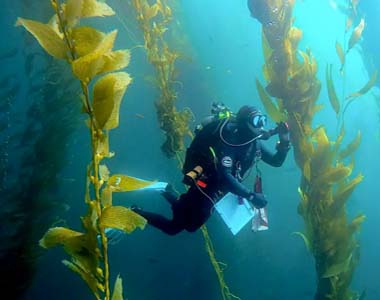 Even amidst louder climate warning sirens, signs of hope and resilience have managed to shine through in “Marine Life and Conservation.” A federal requirement to close a Southern California driftnet fishing zone to protect migrating loggerhead sea turtles has been triggered by the El Niño-driven rise in water temperature. Developments in technology and a stunning display of perseverance have brought new life to sea stars and the scientists that study them. And, all along the West Coast, kelp forest restoration efforts are targeting harmful urchin populations and transplanting more resilient kelp species. Even amidst louder climate warning sirens, signs of hope and resilience have managed to shine through in “Marine Life and Conservation.” A federal requirement to close a Southern California driftnet fishing zone to protect migrating loggerhead sea turtles has been triggered by the El Niño-driven rise in water temperature. Developments in technology and a stunning display of perseverance have brought new life to sea stars and the scientists that study them. And, all along the West Coast, kelp forest restoration efforts are targeting harmful urchin populations and transplanting more resilient kelp species.
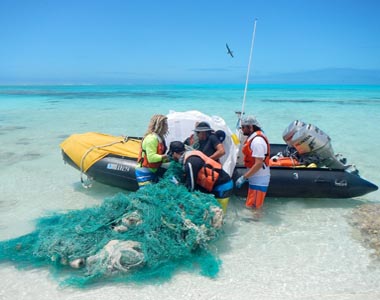 Meanwhile, the Pacific and Great Lakes seem to be the newest targets for the Trump Administration. In a recent proclamation, the administration revoked protections for nearly 500,000 square miles of federal waters around three marine national monuments. For these zones of incredible ecological sensitivity in which Indigenous groups have built cultural ties to ocean habitats, being under U.S. jurisdiction is no longer a promise of safety. But, it isn’t just marine monuments facing danger; Trump’s proposed budget request cutting funding to Great Lakes research groups poses real threats to public safety for the millions of Americans living in the region. Accurate, timely data is necessary to provide weather forecasts, water quality reports, and maritime safety briefings, yet the programs tasked with collecting this data are under fire. Meanwhile, the Pacific and Great Lakes seem to be the newest targets for the Trump Administration. In a recent proclamation, the administration revoked protections for nearly 500,000 square miles of federal waters around three marine national monuments. For these zones of incredible ecological sensitivity in which Indigenous groups have built cultural ties to ocean habitats, being under U.S. jurisdiction is no longer a promise of safety. But, it isn’t just marine monuments facing danger; Trump’s proposed budget request cutting funding to Great Lakes research groups poses real threats to public safety for the millions of Americans living in the region. Accurate, timely data is necessary to provide weather forecasts, water quality reports, and maritime safety briefings, yet the programs tasked with collecting this data are under fire. When thinking of summertime by the water, beaches often come to mind as places to relax and unwind. But just off the coast of Los Angeles, one unusual vessel is spending its summer cleaning instead of cruising. In our “Marine Pollution” section, discover how a solar-powered, garbage-eating barge stationed at the mouth of Ballona Creek is intercepting plastic waste before it can wash into the Pacific Ocean. We also examine NOAA’s forecast for another larger-than-average “dead zone” in the Gulf of Mexico, where nutrient pollution continues to threaten marine life and coastal fisheries. 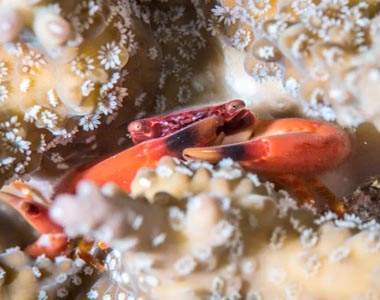 Despite mounting environmental pressures, encouraging signs of resilience remain beneath the waves. In “Sustainability and Fish,” researchers have identified natural coral refuges using artificial intelligence, uncovering cooler, more protected areas where reefs may be better equipped to survive a warming climate. At the same time, an opinion piece challenges readers to rethink destructive fishing practices like bottom trawling and asks what sustainable seafood should look like in the future. Despite mounting environmental pressures, encouraging signs of resilience remain beneath the waves. In “Sustainability and Fish,” researchers have identified natural coral refuges using artificial intelligence, uncovering cooler, more protected areas where reefs may be better equipped to survive a warming climate. At the same time, an opinion piece challenges readers to rethink destructive fishing practices like bottom trawling and asks what sustainable seafood should look like in the future.
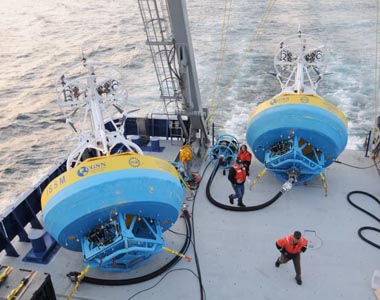
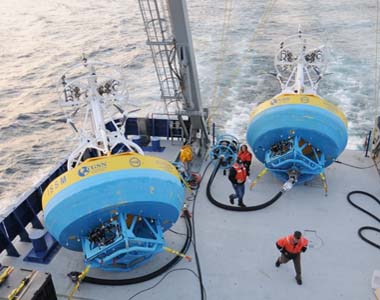
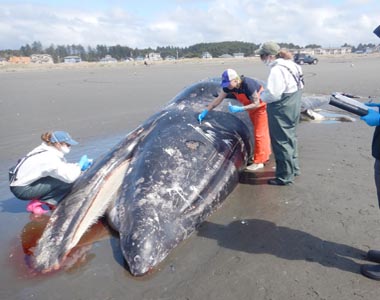
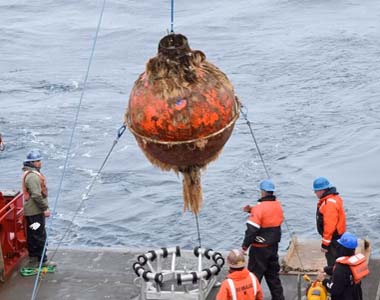
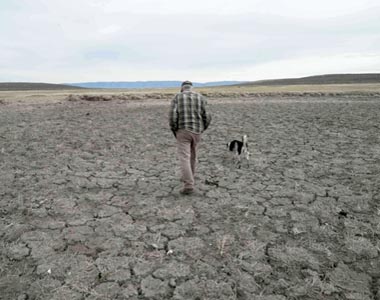
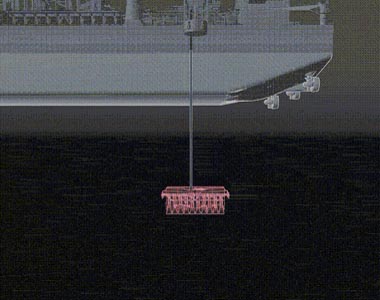
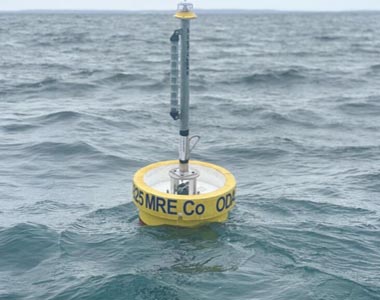
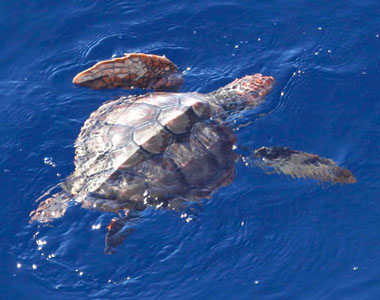
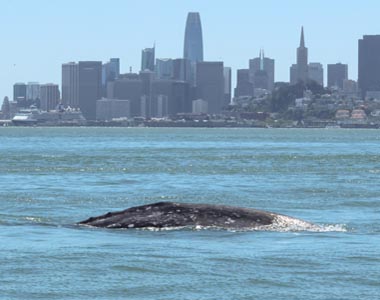
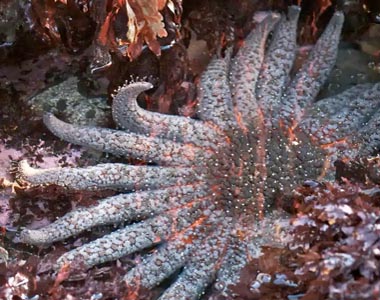
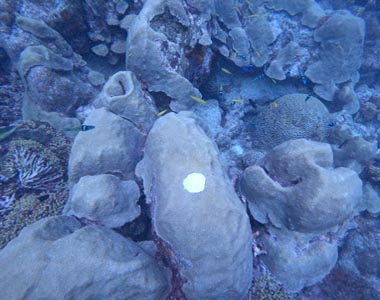
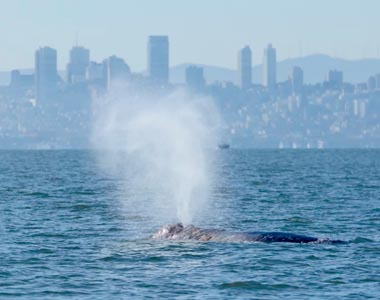
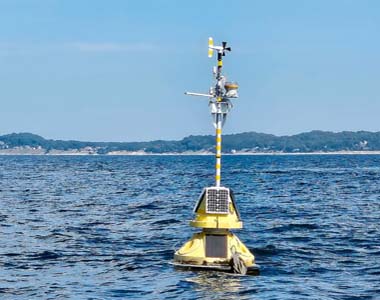
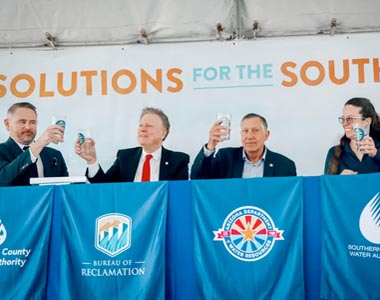
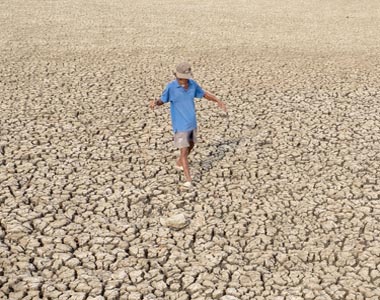
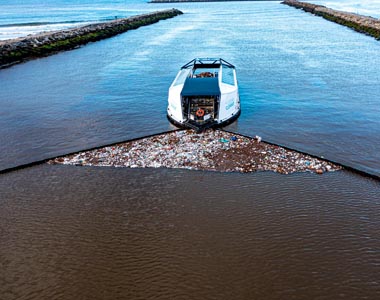
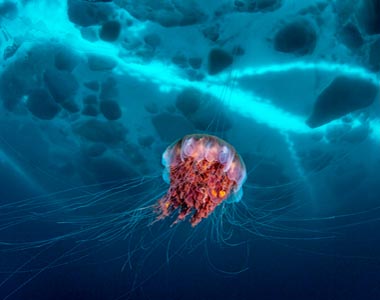
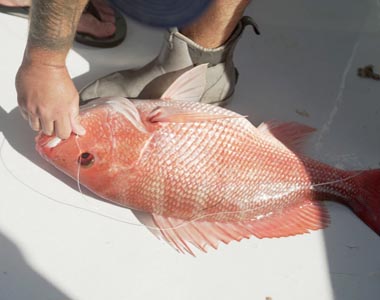
If you’re looking for your next documentary, you can explore one of today’s fastest-growing environmental and public health concerns. The Plastic Detox investigates how microplastics are affecting human health and what scientists are learning about their impacts on fertility, development, and everyday life. And, for your beach reading, we recommend Pearce Oysters by Joselyn Takacs. Set in the aftermath of the Deepwater Horizon oil spill, its story of the struggles of a Louisiana oyster-farming family, shows us the realities of how environmental disasters reshape communities, livelihoods, and the generations of people who depend on healthy coastal ecosystems. As World Oceans Month comes to a close and the peak of blissful summer weather is on everyone's minds, many of the challenges facing our oceans continue to grow--but so do the innovative solutions, scientific discoveries, and dedicated individuals working to protect them. Whether you’re spending your summer along the coast or following these stories from afar, we hope you continue to appreciate the oceans that sustain us all. | | | | | | | | RCC Stanback Fellows - Jordan Ross and Ashton Bailey 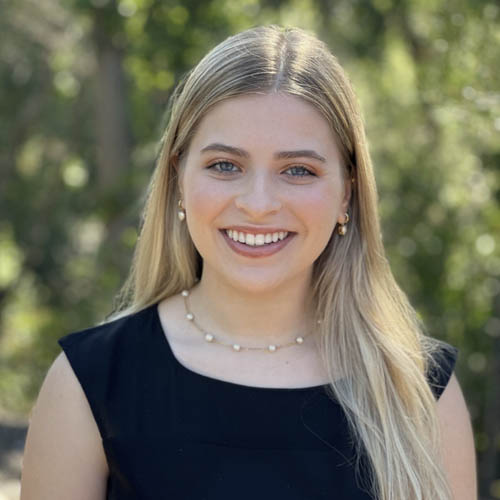 Jordan Ross is a rising junior at Duke University, majoring in Environmental Science and Policy with a minor in Economics. Originally from Los Angeles, California, she is passionate about advancing clean energy solutions and environmental policy, with a particular interest in environmental law and energy regulation. At Duke, Jordan serves as a Green Devil Intern with the Office of Climate and Sustainability, where she mentors first-year students and supports career-focused sustainability programming. She is also involved with the Duke Climate Coalition, contributing to clean energy policy initiatives and advocacy efforts aimed at expanding equitable access to renewable energy. Jordan Ross is a rising junior at Duke University, majoring in Environmental Science and Policy with a minor in Economics. Originally from Los Angeles, California, she is passionate about advancing clean energy solutions and environmental policy, with a particular interest in environmental law and energy regulation. At Duke, Jordan serves as a Green Devil Intern with the Office of Climate and Sustainability, where she mentors first-year students and supports career-focused sustainability programming. She is also involved with the Duke Climate Coalition, contributing to clean energy policy initiatives and advocacy efforts aimed at expanding equitable access to renewable energy.  Ashton Bailey is a junior at Duke University, pursuing a B.S. in Earth and Climate Sciences with a minor in Environmental Science and Policy. A proud Texan, Ashton’s passion for equitable disaster risk reduction and resilience arose after witnessing on numerous occasions the disproportionate impacts of natural disasters on vulnerable communities in Southeast and Central Texas. Prior to his studies at Duke, Ashton was involved in citizen science and advocacy in his hometown of San Marcos, working with the Texas Stream Team to monitor the quality of the San Marcos River. At Duke, he is a member of an interdisciplinary team researching how coastal and marine restoration practitioners define and operationalize equity in their efforts across the United States. Ashton Bailey is a junior at Duke University, pursuing a B.S. in Earth and Climate Sciences with a minor in Environmental Science and Policy. A proud Texan, Ashton’s passion for equitable disaster risk reduction and resilience arose after witnessing on numerous occasions the disproportionate impacts of natural disasters on vulnerable communities in Southeast and Central Texas. Prior to his studies at Duke, Ashton was involved in citizen science and advocacy in his hometown of San Marcos, working with the Texas Stream Team to monitor the quality of the San Marcos River. At Duke, he is a member of an interdisciplinary team researching how coastal and marine restoration practitioners define and operationalize equity in their efforts across the United States. | | | | | | Trump Administration Ditches Plan to Close a Critical Ocean Monitoring System After Furious Bipartisan Backlash The Trump administration is U-turning on its controversial decision to dismantle a critical ocean monitoring system that provides vital information on the health of the world’s oceans, after a bipartisan backlash in Congress. The Ocean Observatories Initiative was established in 2016 and involves around 900 instruments across parts of the Pacific and Atlantic, especially designed to withstand the immense pressure and corrosive saltiness of the ocean depths. | | | | | | | | Silent Springs, Windswept Seas: On the Environmental Vision of Rachel Carson “I hope I have made clear tonight that a new spirit is abroad in this land.” In her acceptance speech upon receiving the National Book Award for The Sea Around Us (1951), biologist and author Rachel Carson (1907–1964) explained: “If there is poetry in my book about the sea, it is not because I deliberately put it there, but because no one could write truthfully about the sea and leave out the poetry.” Carson dedicated her life and work to nature and the environment. | | | | | | | | Lawmakers Fight to Stop the Trump Administration’s Dismantling of a $386M Ocean Observatory Project A group of Democratic senators and one Republican, as well as two Democratic House committees, sent letters Monday to the National Science Foundation asking it to reverse course on its plan to dismantle a sprawling ocean monitoring network, with House lawmakers going further and accusing the agency of acting illegally. The Ocean Observatories Initiative is a network of more than 900 ocean sensors built at a cost of $386 million. | | | | | | | | New Program Allows First-years to Spend Fall Semester at Duke Marine Lab First-year students will now have the option to launch their Duke career from the coast. Beginning with the Class of 2031, incoming students will be able to participate in a first-of-its-kind study away program, spending their first semester at the Duke University Marine Lab in Beaufort before moving to the University’s Durham campus in the spring. The program, known as Duke Embark, was announced by the Nicholas School of the Environment last week. | | | | | | | | Malnourished Gray Whales of the Eastern North Pacific Are in ‘Serious Trouble’ The population has plummeted over the past seven years as climate change triggers mass starvation in warming Arctic waters. SEATTLE—Exceptionally skinny gray whales—enfeebled by starvation and mangled by blunt-force trauma—are washing up this spring along the coast of Washington state in numbers that alarm marine-mammal scientists. | | | | | | | | Trump Administration to Dismantle Ocean Monitoring System The $368 million network of instruments collecting data in both the Atlantic and Pacific has been critical to climate and ocean research The Trump administration is dismantling a $368 million deep-ocean observation system that was put in place a decade ago to monitor coastal environments, marine ecosystems and powerful currents that affect the global climate. | | | | | | | | | | Climate Change Alarms Are Flashing. Washington Isn’t Paying Attention. The climate system’s warning signs are blaring, but hardly anyone in Washington has noticed. In recent months, scientists have revealed new ways climate change is affecting the planet: Higher temperatures threaten to worsen damage from a potentially historic El Niño; a record warm winter in the U.S. West pushed river levels near catastrophic levels; new data shows the planet heating up more quickly, shrinking Arctic ice cover to record lows; a critical ocean current that regulates weather is closer to collapse than previously thought. | | | | | | | | How One Company Plans to Mine the Bottom of the Sea A look at the quest to mine the bottom of the ocean for valuable minerals, the connection between light pollution and allergies and more climate news. For the past few months, I have been reporting on the nascent deep-sea mining industry. Metals worth trillions of dollars lie at the bottom of the sea, and a handful of companies have been developing the technology to get them up to the surface and into electric car batteries, weapons systems and whatever else might need it. | | | | | | | | Wave-measuring Device Deployed at New Marine Energy Test Site in Massachusetts The Marine Renewable Energy Collaborative (MRECo), a nonprofit organization dedicated to advancing marine renewable energy and ocean technology in Massachusetts, has deployed a wave-measuring device at a newly established test range in this U.S. state. SOFAR Ocean’s SOFAR Spotter Buoy collects real-time ocean data, including wave height, temperature, and environmental conditions, which will directly support multiple ongoing and future ocean technology projects. | | | | | | | | Rising Pacific Ocean Temperatures Trigger Legal Requirement to Protect Loggerhead Sea Turtles from Driftnets Rising Pacific Ocean temperatures are triggering a federal legal requirement, triggered by litigation by Turtle Island (TIRN) and Center for Biological Diversity (CBD) to close a large stretch of Southern California waters to driftnet fishing. The closure zone — known as the Loggerhead Conservation Area (LCA) — was established in 2000 to protect loggerhead sea turtles that migrate into Southern California waters during El Niño events. | | | | | | | | A Record Die-off of Sea Stars Was Followed By Something That Stunned Biologists The creatures almost went extinct along the West Coast a decade ago. Recently, they have been making a comeback. For much of his career, Bruce Menge assumed he would conduct the same research until he died. The marine biologist has studied sea stars since the 1970s, and the animals had always seemed more solid a bet than others in the ocean. They have no natural enemies, regenerate limbs when they lose them and reproduce prolifically. | | | | | | | | Boiling Point This might come as a surprise, unless you’re plugged into ocean science lore: The oldest and longest-running marine ecosystem monitoring program in the world is based right off the coast of Southern California. Every season, for more than three-quarters of a century, researchers with the California Cooperative Oceanic Fisheries Investigations — or CalCOFI, for those in the know — have sailed hundreds of miles off the Golden State’s coast and collected a dizzying array of zooplankton, microscopic plant matter, larvae and all manner of fish. | | | | | | | | Efforts to Save Kelp Forests from Ocean Warming Are Ramping Up At one time, kelp forests — which shelter fish, slow erosion, and sequester carbon — grew along a third of the world’s coastlines. Now, scientists are working to bolster heat-stressed kelp by attacking the urchins that prey on them and transplanting hardier kelp varieties. In the coastal waters off British Columbia, tribal volunteers from the Haida Nation dive for purple sea urchins amid a dense forest of rippling golden-brown kelp fronds. | | | | | | | | AI System Provides Hope For Grey Whales After Deadliest Migration Season With local whale deaths spiking due to ship strikes and Arctic starvation, scientists have deployed a round-the-clock thermal monitoring system to detect whale breaths and guide heavy vessel traffic safely around the ocean giants Earlier this year, scientists tracking grey whales in San Francisco Bay found that nearly one in five individuals identified there died in its waters; 40% of these deaths were found to be caused by vessel strikes. | | | | | | | | Lab-Grown Sunflower Sea Stars Offer Hope for Vanishing Marine Ecosystems Troubling reports of sea star wasting disease along the West Coast of the United States began in 2013. Its identification in Washington state spread southward, extending down to Baja. The symptoms of the disease spread rapidly, too – among them lesions, loss of arms, and breakdown of the body into what has been described as a pile of goo. Sunflower sea stars are a keystone species, the natural predators of sea urchins. As their populations shrank, they were no longer able to maintain a balance in the kelp ecosystem. | | | | | | | | Scientists Can Now Predict Coral Bleaching Months Before it Happen or reef managers racing to protect corals from warming seas, the most valuable resource has always been time. A new tool developed by researchers at the Woods Hole Oceanographic Institution may just have given them more of it. Scientists have created an early-warning system capable of predicting coral bleaching events five to six months before they occur. | | | | | | | | Democrats Pledge to Fight Trump’s Removal of Ocean Monitors Democrats said Tuesday they intend to fight the Trump administration’s plan to eradicate a deep-ocean observation system critical to understanding climate change and marine ecosystems. The system cost $368 million when it was installed in 2016 but now officials want to shut it down, which they say would save $48 million in operating costs each year. | | | | | | | | Interior Expands Hunting and Fishing Access Across Federal Lands The Department of the Interior today announced major actions to expand hunting and fishing access across lands and waters managed by the Department, advancing President Donald J. Trump’s commitment to increasing outdoor recreation opportunities, reducing unnecessary regulatory burdens and supporting rural communities. The actions include the U.S. Fish and Wildlife Service’s proposed largest expansion of hunting and sport fishing opportunities in agency history. | | | | | | | | E.U. Steps Up Ocean Monitoring as Trump Administration Backs Away Days after the Trump administration vowed to dismantle a deep-ocean observation system, the European Union said it would bolster its own monitoring of the world’s oceans to improve climate forecasting and better anticipate changes to marine ecosystems. The European Union announcement was long in the works, and not a response to the U.S. pullback. Still, officials in Brussels highlighted the contrast. | | | | | | | | Trump Tears Up Protections Across Three Pacific Marine Monuments The Trump administration has signed a proclamation reopening nearly 500,000 square miles of previously protected federal waters to commercial fishing, rolling back conservation measures across three marine national monuments in the Pacific. It is the third such action by the Trump administration. Commercial fishing was previously reopened in the Northeast Canyons and Seamounts monument in February 2026 and the Pacific Islands Heritage Marine National Monument in April 2025. | | | | | | | | Whales Are Showing Up in San Francisco Bay. New Ship Alerts Could Help Protect Them Gray whales used to be a rare sight in San Francisco Bay. Now, their spouts are appearing off Alcatraz Island in one of the busiest waterways in the country. The whales are making a pit stop on their long migrations from Mexico to Alaska, detouring under the Golden Gate Bridge for a snack as climate change is shrinking their normal food supply in Arctic waters. | | | | | | | | What Federal Cuts to Science Funding Could Mean For the Great Lakes Facing another round of cuts, NOAA-funded researchers worry about undermining public safety, the maritime economy, and health on the Great Lakes. Some groups that do research and collect data on the Great Lakes are facing existential threats as the annual budgeting process for the National Oceanic and Atmospheric Administration gets underway. | | | | | | | | Why an Immense Marine Heatwave Off the US West Coast Has Alarmed Scientists An enormous marine heatwave off the US west coast is ringing alarm bells among ocean and atmospheric scientists as new data shows its ecological and environmental effects are intensifying. The unusual area of warm water has persisted since peaking in size during September 2025 and still stretches thousands of miles from the California coastline – more than halfway across the Pacific. | | | | | | | | Arizona and Nevada Agree to Trade for Desalinated Pacific Ocean Water San Diego could sell some of its rights to Colorado River water to Arizona and Nevada under a deal struck Wednesday that could help parched inland states fill a widening gap between water supply and demand. The San Diego County Water Authority now has a water surplus thanks to a desalination plant the utility opened a decade ago after facing shortages of its own. Water wouldn’t physically move inland, but the utility wouldn’t draw as much from the river as it’s entitled to. | | | | | | | | Prepare For Imminent Return of El Niño, UN Warns The world must prepare for the imminent return of El Niño and the supercharged weather extremes it brings, the UN has warned. The powerful natural weather pattern, which raises global temperatures and worsens some rainfall, has an 80% chance of forming before September and a 90% chance before November, the World Meteorological Organization (WMO) said on Tuesday. | | | | | | | | The U.S. Senator Who Won’t Shut Up About Climate Change At a time when other public officials and the media are talking less about climate change, Sheldon Whitehouse remains fiercely outspoken. He delivered his 307th climate speech on the Senate floor this month and is pushing back against the recent trend of “climate hushing.” For the last 15 years, Senator Sheldon Whitehouse, Democrat of Rhode Island, has been Congress’s most outspoken member on climate change. In 2012, he had a sign made up that showed the Earth as seen from space. “Time to Wake Up,” it said. | | | | | | | | Forever Chemicals Found Across Marine Life Current laws are not doing enough to protect the environment or public health against "forever chemicals", a new study has warned. Research by the University of Portsmouth and the Marine Conservation Society tested for polyfluoroalkyl substances (PFAS) in the Solent, a stretch of water between Portsmouth and the Isle of Wight. The study found that the chemicals are present throughout the Solent at "multiple levels" of the marine environment. | | | | | | | | A Solar-powered Rubbish-eating Boat? The Vessel Chomping Plastic Waste Out of the Sea On an overcast June morning, I step from the rubber-sided Zodiac boat on to a floating barge at the mouth of Ballona Creek, where it meets Santa Monica Bay on the west side of Los Angeles. The first thing I notice? Salty air is the only smell, despite six giant waste bins sitting atop the tennis court-sized barge. The contraption is actually two barges – a smaller platform sits nestled inside the larger boat. | | | | | | | | NOAA Forecasts an Above-average Summer 'dead zone' in Gulf of America NOAA is forecasting this summer’s Gulf of America “dead zone” to be larger than average, covering approximately 7,027 square miles, an area slightly smaller than the size of New Jersey. The 2026 forecast is below the record size of 8,776 square miles set in 2017 and larger than the 39-year average measured size of 5,223 square miles. The dead zone, or hypoxic zone, is an area where dissolved oxygen levels are too low to support marine life, causing die-offs of fish, shellfish, corals, and aquatic plants. | | | | | | | | New Study Suggests Fish Gut Microbe Helps Regulate Ocean Health The study, led by former graduate student Anthony Bonacolta in the Department of Marine Biology and Ecology at the University of Miami Rosenstiel School of Marine, Atmospheric, and Earth Science, found that symbiotic gut microbes may work in tandem with marine fish to produce a form of calcium carbonate that influences overall ocean health and serves as a key carbon sink. This process, long attributed primarily to fish physiology, may in fact depend on a previously unrecognized microbial partnership. | | | | | | | | 3,000 Species Are Killed for Supper. Why Do We Allow It? We humans are capable of enormous devastation, but every now and then, we’re able to agree to stop the worst of our transgressions. We no longer regularly scour the oceans for the great whales only to boil them down for margarine and pet food. We’ve stopped killing wild birds en masse to make hats out of their plumage. We’ve effectively banned DDT — a pesticide that nearly emptied the skies of hawks, falcons and even the bald eagle. | | | | | | | | Rainstorms Create Invisible Ceilings Which Trap Jellyfish, Study Finds A sudden tropical downpour in Florida’s Everglades National Park has led to a major discovery in marine fluid dynamics, proving that physical boundaries, not just animal behavior, can trap marine life in the deep ocean. The study, published in the Journal of Experimental Biology by researchers at Kiel University (CAU), reveals how a phenomenon called stratification drag creates a physical ceiling that prevents certain marine organisms from reaching the surface, even as they actively swim upward. | | | | | | | | Fishermen Prepared For the Longest Red Snapper Season in Recent Memory. A Court Order Stopped It Miles from shore, Chris Kemp pumps and reels as he battles a fish 150 feet below. Eventually, it gives up, and the 10-pound red snapper is hauled aboard the Jodie Lynn II. There’s barely time to rejoice. As Kemp raises his trophy for a picture, the charter boat’s captain rushes over and then drives a knifelike tool into the fish’s gas-filled bladder. The procedure, required by federal law, is intended to improve the fish’s chances of survival after release. | | | | | | | | There’s a Bit of Good News for Coral Reefs New research has identified areas around the world where cooler currents and other favorable conditions are helping to protect coral from the worst effects of global warming. As spiking ocean temperatures are devastating reefs around the world, a handful of scientists have found a reason for cautious optimism. They’ve used artificial intelligence to detect sheltered pockets where cool currents, reduced exposure to sunlight and locations outside cyclone paths mean corals are more likely to survive. | | | | | | | | The Plastic Detox - Netflix Documentary Trailer What are microplastics doing to our health? The dangers of using plastics have an unprecedented health toll on fertility, puberty, and much more. This documentary follows the research of Dr. Swan and other experts in the field, covering the impact on human development and showing how we can take matters into our own hands. | | | | | | | | Pearce Oysters by Joselyn Takacs  A family drama set along the Louisiana coastline during the 2010 BP Oil Spill, Pearce Oysters follows a third-generation oyster farmer whose business, family, and livelihood are on the brink of collapse. A family drama set along the Louisiana coastline during the 2010 BP Oil Spill, Pearce Oysters follows a third-generation oyster farmer whose business, family, and livelihood are on the brink of collapse.
Golden Vale, Louisiana, is a hardscrabble coastal town 80 miles south of New Orleans but worlds away culturally. For generations, families have made their living working in commercial fishing or in the petroleum industry. After the sudden death of his father, thirty-five-year-old Jordan Pearce becomes the unwitting head of his family's storied oyster company. Amid Jordan's struggles with flighty employees, a fraught romantic life, living with his distressed, widowed mother, and a fishery that's been on life support for years, the Deepwater Horizon oil rig suddenly explodes off the coast of Louisiana, prompting one of the worst environmental disasters in history.
As fallout from the explosion and subsequent oil spill intensifies, Jordan must grapple with the existential repercussions for his family, and the surrounding community, which has already seen its fair share of hardship, having just barely recovered from Hurricane Katrina. Forced to seek help from his estranged brother, Benny, a beatnik musician who ran away to New Orleans years ago. Jordan and what's left of the quarrelsome Pearce clan are reunited under one roof, alongside a cast of unforgettable regional characters. Jordan’s desperation to save the business, coupled with Benny’s desire to distance himself from his past, test the bonds of their family and the strength of their principles. Together, they must commit to saving this long overlooked corner of the Gulf Coast―a final act of hope in the face of impending tragedy. This tender, unflagging exploration of industry, class, culture, and the extraordinary beauty in the margins of life, is eye-opening, eco-fiction that elevates the voices of deeply sympathetic characters. CLICK HERE TO PURCHASE | | | | The June 2026 issue of RCC's Coasts and Ocean Observer was produced by Ross Feldner | | | |  The Rachel Carson Council Depends on Tax-deductible Gifts From Concerned Individuals Like You. Please Help If You Can. The Rachel Carson Council Depends on Tax-deductible Gifts From Concerned Individuals Like You. Please Help If You Can. | | | | | | | |  Sign Up Here to Receive the RCC E-News and Other RCC Newsletters, Information and Alerts. Sign Up Here to Receive the RCC E-News and Other RCC Newsletters, Information and Alerts. | | | | | | RACHEL CARSON COUNCIL
8600 Irvington Avenue
Bethesda, MD 20817
(571) 262-9148
[email protected] | | | | | | | | | | | |